
I’ve Read 30+ Books on Data Structures and Algorithms — Here Are My Top 5 Recommendations for 2026
My favorite books to learn AI and LLM Engineering in 2026

Hello guys, after spending years preparing for coding interviews and teaching data structures and algorithms, I’ve realized that reading algorithm books is one of the most underrated ways to build deep problem-solving intuition.
Over the past decade, I’ve gone through more than 30 books on data structures, algorithms, and system design — some brilliant, some painfully dry — but only a few truly changed the way I think about programming.
In this post, I’ll share the five books on algorithms and DSA that I recommend to every developer, whether you’re a beginner learning the basics or an experienced engineer brushing up for interviews.
Along with each book, I’ve included an online course that complements the material, so you can apply what you read through interactive coding challenges and visual explanations.
My Favorite Data Structures and Algorithms Books for Developers
Without any further ado, here are the top 5 books I recommend developers who wants to master Data Structures and Algorithms in depth
1. Grokking Algorithms by Aditya Bhargava (Second Edition)
If I could recommend just one book to start your DSA journey, it would be Grokking Algorithms. It’s beautifully illustrated, simple, and makes even complex ideas like recursion and dynamic programming feel approachable.
This book doesn’t bombard you with theory — it uses real-world examples like searching friends on Facebook or optimizing deliveries to explain algorithmic thinking.
When I first read it, I finally “got” recursion and divide-and-conquer in a way that academic books never made me feel.
If you want to reinforce these concepts, pair it with Grokking the Coding Interview: Patterns for Coding Questions on DesignGuru.io — a course built around 17 essential problem-solving patterns used in 100+ coding interview questions.

You can also get all of their Grokking courses (including Dynamic Programming and System Design) at a discount with their All Course Bundle using the code GURU for 30% off.
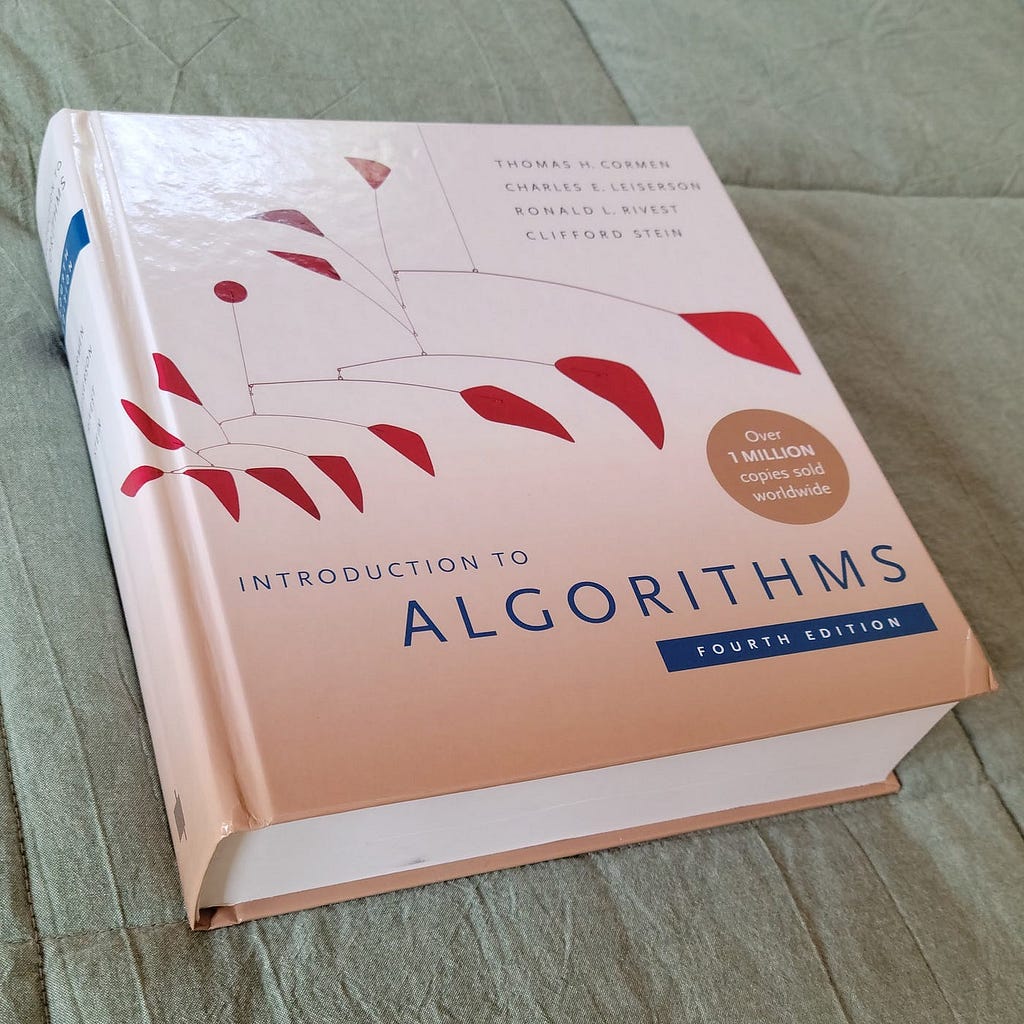
2. Introduction to Algorithms (CLRS) — Cormen, Leiserson, Rivest, and Stein
This is the Bible of algorithms. The Introduction to Algorithms, 4th Edition — often called CLRS — is the book you’ll find on the shelves of every computer science student and senior engineer.
It’s dense, detailed, and covers everything from sorting and searching to advanced topics like dynamic programming, NP-completeness, and graph algorithms.
However, don’t try to read it cover-to-cover. Use it as a reference or deep-dive text when you want to understand how an algorithm works behind the scenes.
To make it more practical, I recommend pairing it with the Data Structures and Algorithms: Deep Dive Using Java course on Udemy. It’s one of the most structured, beginner-friendly algorithm courses I’ve taken — and it helps bridge the gap between theory and implementation.
3. The Algorithm Design Manual by Steven S. Skiena
Skiena’s Algorithm Design Manual is an absolute gem. Unlike most theoretical books, this one feels like sitting down with an experienced engineer who tells you how algorithms actually get used in real-world projects.
Each chapter begins with a problem, explores several algorithmic approaches, and then ends with practical “war stories” from the field.
It’s the perfect middle ground between theory and hands-on coding.
If you want to visualize and code algorithms while reading this, I suggest trying AlgoMonster — an interactive platform built by ex-Google engineers that teaches problem-solving patterns with visual diagrams and real interview questions.

4. Nail Your Next Coding Interview: Coding Interview Patterns by Alex Xu and ByteByteGo
This is a more recent favorite of mine — Coding Interview Patterns: Nail Your Next Coding Interview by Alex Xu (the creator of ByteByteGo).
While many algorithm books focus on the “what,” this one focuses on the “how.” It teaches you reusable patterns like sliding window, two pointers, merge intervals, and fast/slow pointers — the same patterns used to solve 70% of LeetCode problems.
If you want to go beyond the book, check out the ByteByteGo 101, a collection of 101 popular coding interview questions, divided by 10 essential patterns and ByteByteGo Coding Interview Pattern course — written by the same creators as the book. It’s interactive, browser-based, and a great complement if you prefer hands-on learning.
They have a couple of free chapter on Coding interview patterns which I highly recommend you to checkout before you join. Their chapter on Two Pointer Pattern is one of the best explanation I have read. In fact, you can see it yourself

5. Algorithms by Robert Sedgewick and Kevin Wayne
Lastly, Algorithms (4th Edition) is one of the best-written textbooks in computer science. It balances mathematical rigor with clear code examples in Java and covers everything from elementary data structures to graph algorithms and strings.
If you prefer video-based learning, there’s a Coursera course series based on this book — Algorithms Part 1 and Part 2. Both are taught by Sedgewick himself and make the theory come alive through visualizations and coding demos.
Bonus: For Visual Learners — ZTM Academy’s DSA Course
If you prefer video-first, project-driven learning, the Master the Coding Interview: Data Structures + Algorithms course from ZTM Academy is one of the most practical. It’s designed for real-world engineers — clear explanations, great visuals, and a solid emphasis on coding interviews.
Master the Coding Interview: Big Tech (FAANG) Interviews | Zero To Mastery
Final Thoughts
Reading about algorithms is not just about passing interviews — it’s about training your mind to think like an engineer. Every problem you solve improves your coding intuition and makes you a sharper programmer.
So, if you’ve been putting off learning DSA because it feels too academic or abstract, start small. Pick one of these books — ideally Grokking Algorithms — and pair it with an interactive course like ByteByteGo Coding Interview Pattern course.
Over time, you’ll realize algorithms aren’t just theory — they’re the mental framework behind every elegant piece of software you’ll ever write.
Other Programming and Interview Articles you may like
- 20+ array-based Problems for interviews
- 10 Best Courses to Learn System Design for Interviews
- 7 Best Courses to Learn Data Structure and Algorithms
- 25 Software Design Interview Questions for Programmers
- 100+ Coding Problems to Crack Your Coding Interview
- 16 Best Resources for System Design Interview Prep
- Is DesignGuru’s System Design Course worth it
- ByteByteGo vs NeetCode vs Educative? which one is better?
- Is ByteByteGo a good place for Coding interviews?
- 3 Free Books and Courses for System Design Interviews
- Is System Design Interview RoadMap by DesignGuru worth it?
- Is Exponent’s System Design Course worth it?
- 10 Best Places to Learn System Design in 2025
Thanks for reading this article so far. If you like these websites, online platforms, and courses to prepare well for programming job interviews, then please share them with your friends and colleagues. If you have any questions or feedback, then please drop a note.
P. S. — If you are learning Data Structures and Algorithms for coding interview preparation then learning coding patterns can really help and when it comes to learning patterns, resources like Algomonster.io or DesignGurus.io are really great resources. I highly recommend them along with reading these books.
Grokking Algorithms, Second Edition

I’ve Read 30+ Books on Data Structures and Algorithms — Here Are My Top 5 Recommendations for 2026 was originally published in Javarevisited on Medium, where people are continuing the conversation by highlighting and responding to this story.
This post first appeared on Read More