
My favorite Udemy Courses to learn essential DevOps tools and skills in 2026
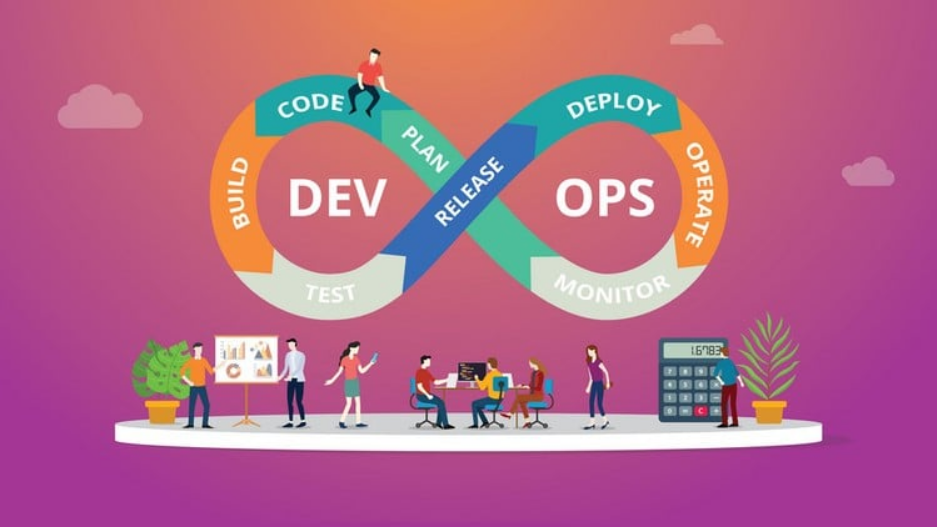
Hello guys, After spending over 200 hours testing and comparing more than 30 DevOps courses on Udemy, I’ve compiled my definitive list of the top 10 courses that will actually help you become a DevOps engineer in 2026.
Whether you’re a complete beginner looking to break into DevOps or an experienced engineer wanting to level up your skills, this guide will save you countless hours of searching through mediocre content.
Why I Spent Months Testing DevOps Courses?
The DevOps field is evolving rapidly. With containers, Kubernetes, cloud platforms, and infrastructure as code becoming essential skills, I needed to find courses that were:
- Up-to-date with 2026 industry standards
- Hands-on with real-world projects
- Comprehensive yet practical
- Worth the investment in time and money
I enrolled in 30+ courses, completed them (or at least gave each a fair shot), and now I’m sharing what actually works.
My Testing Criteria
Before we dive into the list, here’s what I evaluated:
- Instructor expertise — Real-world experience, not just theory
- Content freshness — Updated for current tools and practices
- Hands-on projects — Learning by doing, not just watching
- Student outcomes — Reviews from people who got DevOps jobs
- Value for money — Quality vs. price ratio
Another thing I always do before joining any course is to watch preview lessons, if I can watch it without getting bored then that’s a good indicator of a quality course.
My Top 10 DevOps Courses for 2026
Here are the top 10 Udemy courses I recommend to DevOps Engineers. These courses covers essential DevOps tools, technologies, and practices like Docker, Kubernetes, Terraform etc. I have also included project based courses for better learning.
1. DevOps Beginners to Advanced with Projects
Why it’s my #1 pick: After trying every major DevOps overview course, this is the only one that truly takes you from zero to job-ready.
Created for absolute beginners, this course covers the entire DevOps ecosystem without overwhelming you. You’ll learn Linux fundamentals, AWS, scripting, Jenkins, Ansible, Docker, and Kubernetes — all integrated into real projects.
What makes it special:
- Complete learning path (not just isolated tools)
- Real-world projects you can add to your portfolio
- Integration with ChatGPT for modern DevOps practices
- Perfect balance of theory and hands-on practice
Social proof: 99,588+ students, 4.5/5 rating from 15,000+ reviews
Best for: Absolute beginners and career changers who want a structured path to becoming a DevOps engineer.
Here is the link to join this course — — DevOps Beginners to Advanced with Projects

2. Docker Mastery: The Complete Toolset from a Docker Captain
Why it’s essential: Docker skills are non-negotiable in 2026. This course is taught by an actual Docker Captain, and it shows.
Bret Fisher doesn’t just teach you Docker commands — he teaches you how to think about containerization. From basic containers to orchestration with Docker Swarm and Kubernetes integration, this course covers everything.
What you’ll master:
- Docker fundamentals and best practices
- Docker Compose for multi-container applications
- Container security and optimization
- Docker Swarm and Kubernetes basics
- Production-ready deployments
Social proof: 300,190+ students, 4.6/5 rating from 59,862 reviews (Udemy’s most popular Docker course)
Best for: Anyone serious about containerization and modern application deployment.
Here is the link to join this course — — Docker Mastery: The Complete Toolset from a Docker Captain

3. Kubernetes Certified Administrator with Practice Tests
Why it ranks so high: Kubernetes is the de facto standard for container orchestration. This course by Mumshad Mannambeth is the gold standard for learning K8s.
What separates this from other Kubernetes courses is the hands-on practice environment and actual CKA exam preparation. You’re not just watching — you’re doing.
What you’ll learn:
- Kubernetes architecture and components
- Deploying and managing applications on K8s
- Troubleshooting cluster issues
- Security best practices
- Performance optimization
Bonus: Prepares you for the Certified Kubernetes Administrator (CKA) exam — a certification that significantly boosts your earning potential.
Social proof: One of the highest-rated Kubernetes courses on Udemy
Best for: DevOps engineers who need production-level Kubernetes skills and want CKA certification.
Here is the link to join this course — — Kubernetes Certified Administrator with Practice Tests
4. AWS Certified DevOps Engineer Professional 2026
Why you need this: AWS dominates the cloud market, and this certification opens doors to high-paying positions.
This course doesn’t just prepare you for the exam — it teaches you how to architect and manage real AWS DevOps solutions. The hands-on labs are exceptional.
What you’ll master:
- CI/CD pipelines on AWS
- Infrastructure as Code with CloudFormation
- Monitoring and logging with CloudWatch
- Security and compliance best practices
- Cost optimization strategies
Career impact: AWS DevOps Engineer Professional certification commands salaries of $130,000-$180,000+
Best for: DevOps engineers targeting AWS-focused roles or certification.
Here is the link to join this course — — AWS Certified DevOps Engineer Professional 2026
5. Terraform — The Complete Course
Why it’s critical: Infrastructure as Code (IaC) isn’t optional anymore — it’s how modern infrastructure is managed.
Terraform’s cloud-agnostic approach makes it more valuable than platform-specific tools. This course teaches you how to think in IaC, not just memorize commands.
What you’ll learn:
- Terraform fundamentals and syntax
- Multi-cloud infrastructure provisioning (AWS, Azure, GCP)
- Modules and code reusability
- State management and team collaboration
- Advanced patterns and best practices
Real-world value: Companies hiring DevOps engineers list Terraform as a top requirement
Best for: DevOps engineers who need to manage infrastructure across multiple cloud providers.
Here is the link to join this course — — Terraform — — The Complete Course
6. Jenkins, From Zero To Hero: Become a DevOps Jenkins Master
Why Jenkins still matters: Despite newer CI/CD tools, Jenkins powers pipelines at thousands of companies globally.
This course takes you from Jenkins basics to advanced pipeline automation. The instructor’s real-world experience shows in every lesson.
What you’ll master:
- Jenkins installation and configuration
- Creating automated CI/CD pipelines
- Integration with Git, Docker, and AWS
- Pipeline as Code with Jenkinsfile
- Security and best practices
Social proof: 123,171+ students, 4.4/5 rating from 15,438 reviews (Bestseller)
Best for: DevOps engineers who need to build or maintain CI/CD pipelines (which is basically everyone).
Here is the link to join this course — — Jenkins, From Zero To Hero: Become a DevOps Jenkins Master

7. Ansible for the Absolute Beginner — Hands-On
Why Ansible wins: Among configuration management tools, Ansible has the gentlest learning curve while remaining incredibly powerful.
Mumshad Mannambeth’s teaching style makes complex automation simple. The hands-on approach means you’re automating from day one.
What you’ll learn:
- Ansible fundamentals (YAML, inventory, SSH)
- Playbooks and roles
- Configuration management
- Application deployment automation
- Infrastructure provisioning
Social proof: 149,478+ students, 4.5/5 rating from 37,000+ reviews
Best for: Anyone who needs to automate repetitive tasks and manage infrastructure as code.
Here is the link to — Join Ansible for Beginners Course
8. Git Complete: The Definitive, Step-by-Step Guide to Git
Why it’s foundational: You cannot work in DevOps without mastering Git. Period.
This isn’t just about basic commits and pushes — it’s about truly understanding Git’s model so you can handle any scenario confidently.
What you’ll master:
- Git fundamentals and architecture
- Branching strategies and workflows
- Collaborative development practices
- Advanced Git operations
- Integration with CI/CD pipelines
Why it matters: Poor Git skills cause production issues. This course prevents those disasters.
Best for: Everyone in DevOps, from beginners to experienced engineers who never formally learned Git.
Here is the link to — Join Git Complete Course
9. GCP Associate Cloud Engineer — Google Cloud Certification
Why GCP matters: While AWS dominates, Google Cloud is growing rapidly, especially in data and ML workloads.
This course prepares you for GCP certification while teaching practical cloud DevOps skills. The hands-on labs are excellent.
What you’ll learn:
- GCP core services and architecture
- Cloud Build for CI/CD
- Cloud Run for containerized applications
- Monitoring and logging
- Security and IAM best practices
Career advantage: Multi-cloud skills make you more valuable and marketable
Best for: DevOps engineers expanding beyond AWS or targeting companies using GCP.
Here is the link to — Join GCP Associate Cloud Engineer Course

10. Puppet for the Absolute Beginner — Hands-On
Why it’s still relevant: Many enterprises use Puppet for configuration management, especially in traditional IT environments.
This hands-on course by KodeKloud makes Puppet accessible even if you’ve never done automation before.
What you’ll learn:
- Puppet fundamentals
- Writing manifests and modules
- Configuration management at scale
- Integration with existing infrastructure
- Best practices for production use
Social proof: 17,824+ students, 4.3/5 rating from 3,000+ participants
Best for: DevOps engineers working in enterprise environments or targeting large traditional companies.
Here is the link to join this course — — Puppet for the Absolute Beginner — — Hands-On
My Recommended Learning Path
After testing all these courses, here’s the optimal order for learning:
Phase 1: Foundation (Weeks 1–4)
- Git Complete — Master version control first
- DevOps Beginners to Advanced — Get the big picture
- Docker Mastery — Learn containerization basics
Phase 2: Core Skills (Weeks 5–10)
- Kubernetes CKA — Master container orchestration
- Ansible for Beginners — Learn automation
- Jenkins Zero to Hero — Build CI/CD pipelines
Phase 3: Cloud & IaC (Weeks 11–16)
- Terraform Complete — Infrastructure as Code
- AWS DevOps Engineer Professional — Cloud automation
- GCP Associate Cloud Engineer — Multi-cloud skills (optional)
Phase 4: Specialization (Weeks 17–20)
- Puppet for Beginners — If targeting enterprise roles
Why These Courses vs. Bootcamps?
Traditional DevOps Bootcamps: $10,000-$15,000 for 12–16 weeks
My Udemy Strategy: $100–120 for 10 comprehensive courses
The Difference:
- Self-paced learning (no pressure, no burnout)
- Lifetime access (review anytime)
- Learn at your own speed
- Same job outcomes with self-discipline
I’ve seen people from both paths succeed. The key difference is self-motivation, not the price tag.
Common Mistakes to Avoid
After watching 30+ courses, I noticed these patterns:
Mistake #1: Course Hopping Don’t buy 10 courses and complete none. Pick one, finish it, apply the knowledge.
Mistake #2: Passive Learning Watching videos ≠ learning. Do the hands-on labs. Build projects.
Mistake #3: Skipping Fundamentals Don’t jump to Kubernetes before understanding Docker. Don’t learn Terraform before grasping cloud basics.
Mistake #4: Not Building Portfolio Projects Employers want proof you can do the work. Build and document projects.
Mistake #5: Learning in Isolation Join DevOps communities, ask questions, help others. Learning happens faster in community.
My Personal Learning Schedule
Here’s exactly how I structured my learning:
Weekday Schedule (2 hours/day):
- 6:00–6:30 AM: Watch course videos
- 12:00–12:30 PM: Quick review of concepts (lunch break)
- 8:00–9:00 PM: Hands-on practice and labs
Weekend Schedule (4–6 hours/day):
- Saturday: Deep dive into complex topics, complete projects
- Sunday: Review week’s learning, practice weak areas
Total: 14–16 hours/week
In 20 weeks, I went from basic Linux knowledge to landing DevOps interviews.
Tools You’ll Need
Beyond the courses, invest in these:
Free Resources:
- GitHub account (for version control practice)
- AWS Free Tier (12 months free services)
- Google Cloud Free Tier ($300 credit)
- Azure Free Tier ($200 credit)
Paid (Optional but Helpful):
- Cloud playground subscriptions (~$29/month)
- A cheap VPS for practice ($5–10/month)
- Total: $35–40/month during learning
Certification Path
After these courses, consider these certifications:
High Value:
- AWS Certified DevOps Engineer Professional — Top salary boost
- Certified Kubernetes Administrator (CKA) — Industry standard
- HashiCorp Certified: Terraform Associate — IaC validation
Nice to Have: 4. Google Cloud Professional DevOps Engineer 5. Azure DevOps Engineer Expert
My Recommendation: Get AWS DevOps + CKA first. These two alone significantly boost your marketability.
Expected Timeline & Outcomes
Realistic Timeline:
- 3 months (full-time study): Job-ready for junior DevOps roles
- 6 months (part-time study): Solid skills for mid-level positions
- 12 months: Senior-level knowledge with real-world practice
Salary Expectations:
- Junior DevOps Engineer: $70,000-$95,000
- Mid-Level DevOps Engineer: $95,000-$130,000
- Senior DevOps Engineer: $130,000-$180,000+
- DevOps Architect: $180,000-$250,000+
ROI Calculation:
- Investment: ~$120 in courses + $150-$200 in cloud practice = ~$300 total
- First-year salary increase: $20,000-$40,000+
- ROI: 6,000%+ return on investment
Beyond the Courses
Don’t forget to:
- Join DevOps Communities:
- r/devops on Reddit
- DevOps subreddit Discord
- Cloud Native Computing Foundation Slack
- Local DevOps meetups
- Follow DevOps Thought Leaders:
- Kelsey Hightower (Kubernetes)
- Bret Fisher (Docker)
- Mitchell Hashimoto (Terraform, Vagrant)
- Julia Evans (Technical comics)
- Read Key Books:
- “The Phoenix Project” (DevOps philosophy)
- “The DevOps Handbook” (Practical guide)
- “Site Reliability Engineering” (Google’s approach)
- Build Your GitHub:
- Document your projects
- Contribute to open source
- Create infrastructure templates
- Write technical blog posts
My Final Recommendation
If you only have budget for a few courses, start with these three:
- DevOps Beginners to Advanced with Projects — Complete overview
- Docker Mastery — Essential containerization
- Kubernetes CKA — Orchestration mastery
These three courses give you 80% of what you need to land your first DevOps role.
Take Action Today
The DevOps field isn’t slowing down. Companies are desperately hiring engineers who can:
- Automate infrastructure
- Build CI/CD pipelines
- Manage containerized applications
- Deploy to cloud platforms
- Think in Infrastructure as Code
These courses can get you there. But only if you start.
Your Next Steps:
- Check current Udemy sales
- Start with DevOps Beginners to Advanced
- Commit to 2 hours daily for the next 90 days
- Build projects as you learn
- Apply to DevOps positions after 2–3 months
The courses are cheap. The time investment is minimal. But the career impact? Life-changing.
The question isn’t whether you can afford to take these courses. It’s whether you can afford not to.
Other Udemy course recommendations you may like
- Top 5 Courses to Prepare for AIF-C01 Exam in 2026
- How to Prepare for AWS Solution Architect Exam
- 5 Best Udemy courses to learn Midjourney
- 5 Best Courses and Projects to Learn AI and ML
- 5 Projects You can Build to become an AI Engineer
- 6 Courses to learn Model Context Protocol
- 6 Udemy Courses to learn Agentic AI
- 6 Udemy Courses to learn AWS Bedrock
- Top 5 Udemy Courses for AWS Cloud Practitioner Exam
- 5 Best Courses to learn AWS SageMaker
- Top 10 Udemy Courses to learn Artificial Intelligence in depth
- Top 5 Udemy courses to build AI Agents in 2026
- 7 Best Courses to learn AWS S3 and DynamoDB
- 10 Best Udemy Courses to learn Artificial Intelligence
- 8 Udemy courses to learn Prompt Engineering and ChatGPT
- 5 Best Udemy Courses to learn Building AI Agents
- Top 5 Udemy Courses to learn Large Language Model
Thanks for reading this article so far. If you find these best Udemy courses to learn DevOps then please share with your friends and colleagues. If you have any questions or feedback, then please drop a note.
P. S. — If you need an alternative of Udemy courses and looking for a certification course where you can get a certification from reputed company then you can also join IBM Applied DevOps Engineering Professional Certificate on Coursera. As the name suggest, its from IBM and you will get a certificate from them which you can put on your resume or Linkedin Profile.
IBM Applied DevOps Engineering

I Tried 30+ DevOps Courses on Udemy, Here are My Top 10 Recommendations for 2026 was originally published in Javarevisited on Medium, where people are continuing the conversation by highlighting and responding to this story.
This post first appeared on Read More