
Insights from Instagram’s Journey to Serving Over 2.5 Billion Users
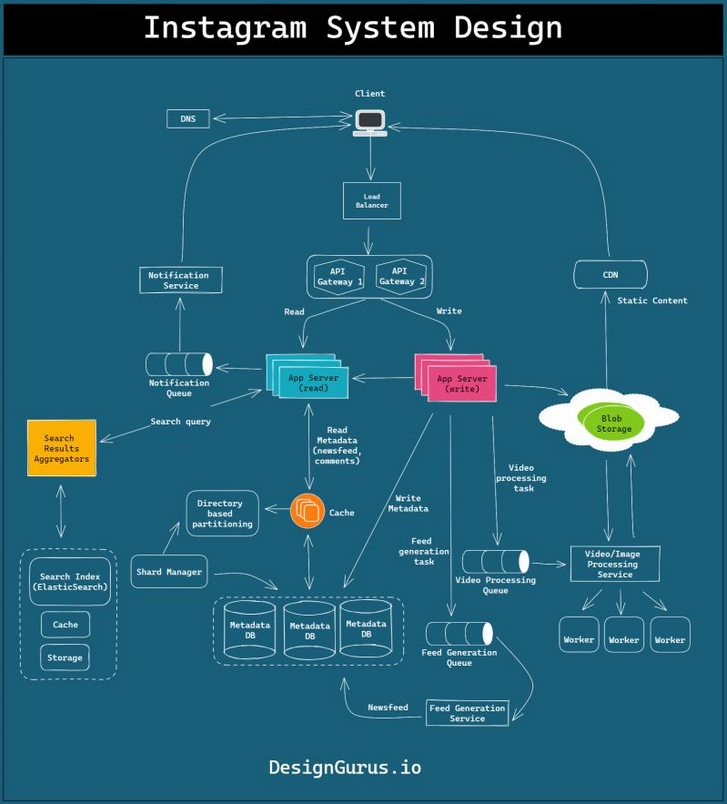
Hello friends, Instagram’s journey from a simple location check-in app to a photo-sharing giant serving over 2.5 billion users is a testament to the importance of robust system design and scalability strategies.
Here are ten key lessons from Instagram’s scaling strategy that can guide anyone looking to understand system design or manage hypergrowth in their applications.
By the way, If you’re preparing for System Design Interviews or want to move from being a developer to thinking like an architect, mastering these techniques like caching, async communication are essential.
I highly recommend ByteByteGo — one of the best platforms that explains these distributed system patterns visually and intuitively.
Their diagrams and case studies (like how browsers fetch content, how CDNs reduce latency, and how DNS propagation works) make complex concepts easy to grasp.
ByteByteGo is currently offering up to 50% OFF on their annual plan — a perfect time to start your system design learning journey.

10 Lessons Software Engineers Can Learn from Instagram’s Scaling to 2.5 Billion Users
Here are few important lessons you can learn from their journey:
1. Pivoting Can Be Powerful
Instagram began as a location check-in app, but the founders noticed that photo sharing was its most popular feature. This insight led them to pivot and focus solely on photo sharing, a decision that was instrumental in their rapid growth.
Lesson: Be flexible and responsive to user behavior and market demands.
2. Vertical Scaling Has Limits
In the early days, Instagram scaled vertically by adding more powerful hardware. However, this approach became prohibitively expensive as user numbers skyrocketed.
Lesson: Understand the limitations and costs of vertical scaling and be prepared to shift strategies as needed.
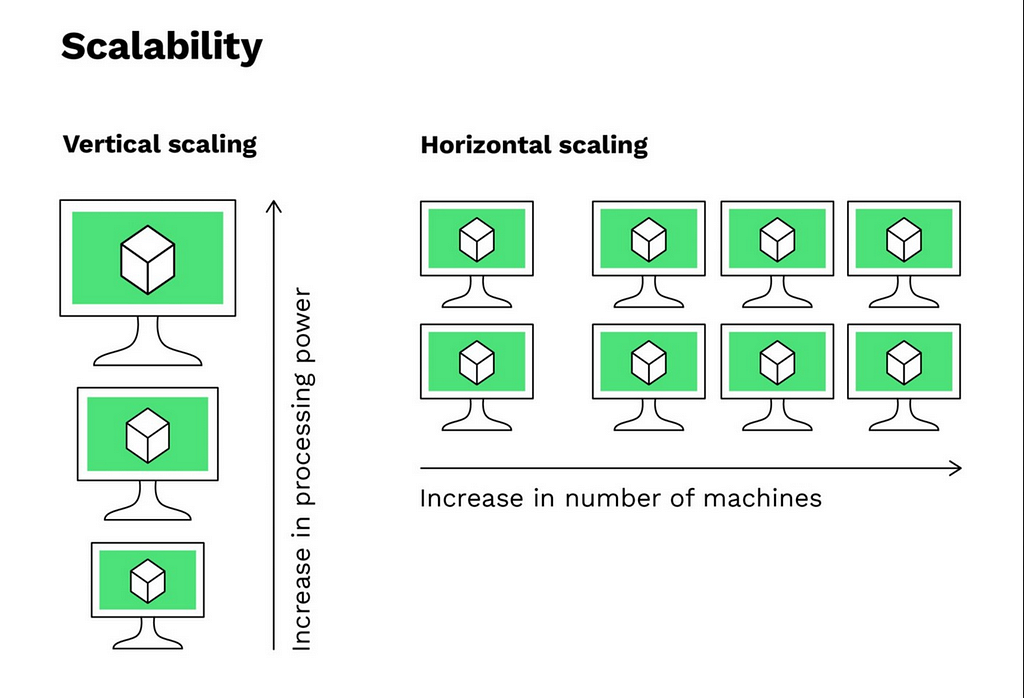
3. Embrace Horizontal Scaling
To accommodate their growing user base, Instagram transitioned to horizontal scaling by adding more servers.
This distributed the load and helped manage increased traffic.
Lesson: Horizontal scaling can be more cost-effective and scalable in the long run.

4. Optimize Resource Usage
Instagram found that their servers were underutilized. By optimizing their code, moving common data objects to shared memory, and reducing CPU instructions, they were able to maximize server usage and improve efficiency.
Lesson: Efficient resource usage can significantly enhance performance and reduce costs.
5. Ensure Data Consistency
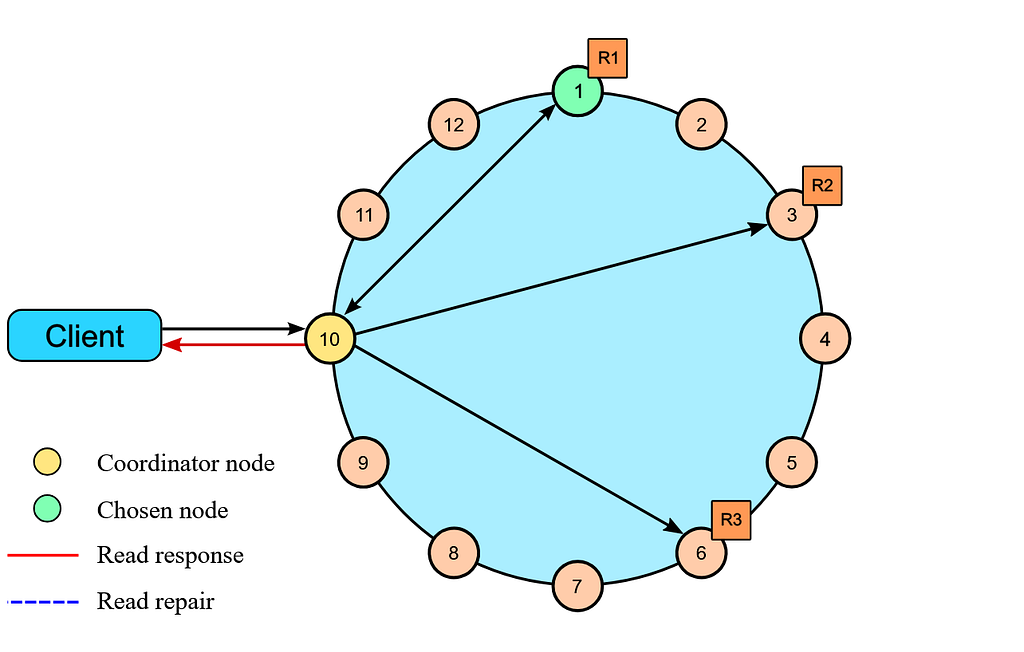
With data centers spread across the globe, maintaining data consistency was crucial. Instagram used Cassandra for its user feed and ensured that data was locally consistent while managing latency.
Lesson: Choose the right database architecture to balance consistency and performance.
6. Leverage Localized Data Clusters
Instead of running a single global Cassandra cluster, Instagram used separate clusters for different continents, reducing latency and improving data access speed.
Lesson: Localized data clusters can enhance performance and user experience by minimizing latency.
7. Implement Smart Data Migration
When users moved between continents, Instagram’s system migrated their data to the nearest cluster. This involved tracking user access patterns and relocating data accordingly.
Lesson: Automated data migration based on user behavior can ensure optimal data placement and performance.
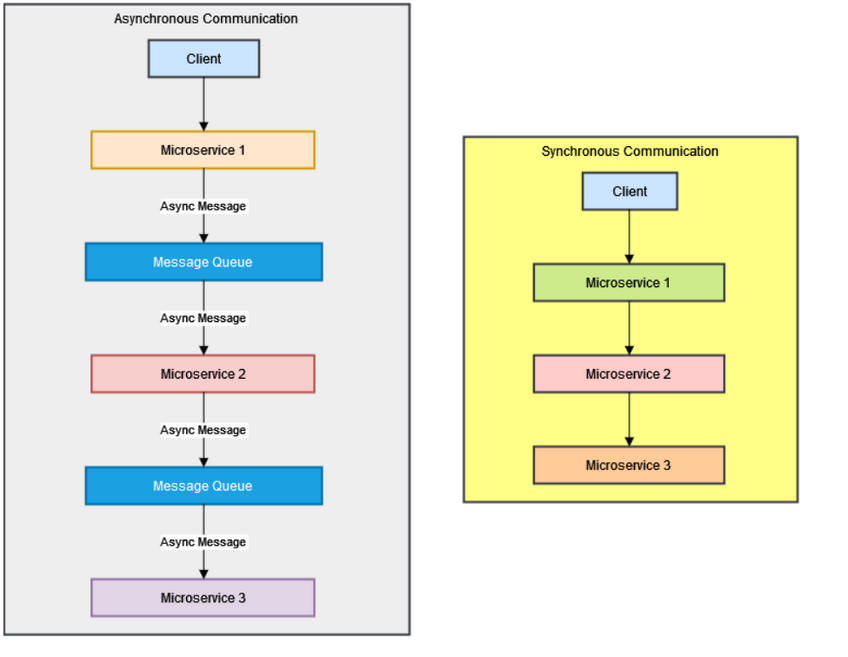
8. Balance Synchronous and Asynchronous Processing
To prevent server starvation, Instagram used asynchronous processing with Python async IO. This allowed their servers to handle more requests simultaneously without waiting for each external service to respond.
Lesson: Asynchronous processing can improve server utilization and reduce latency.
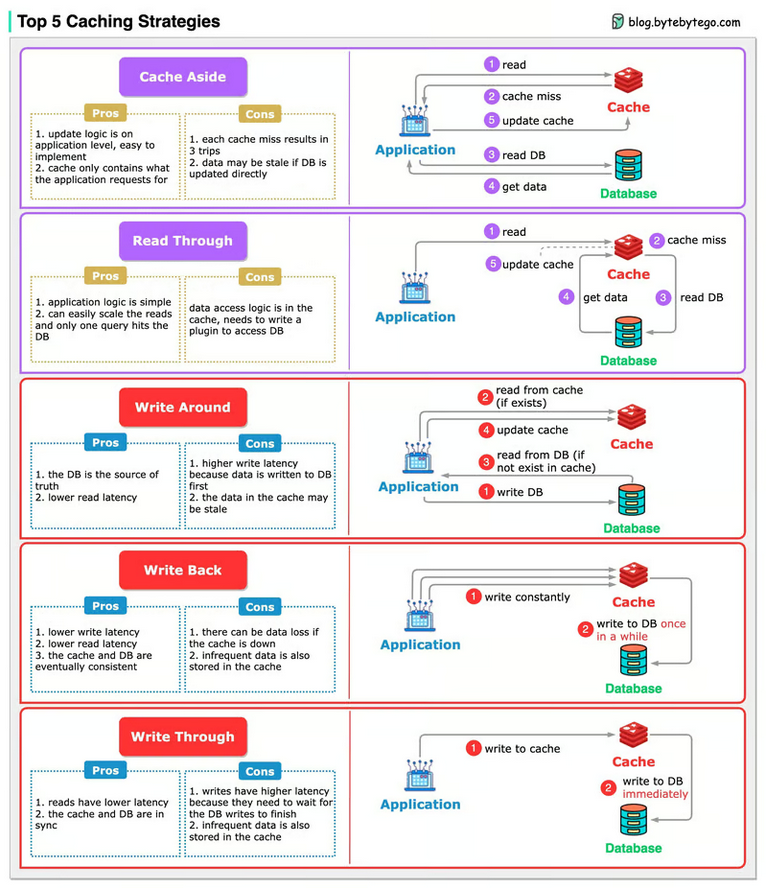
9. Use Caching Strategically
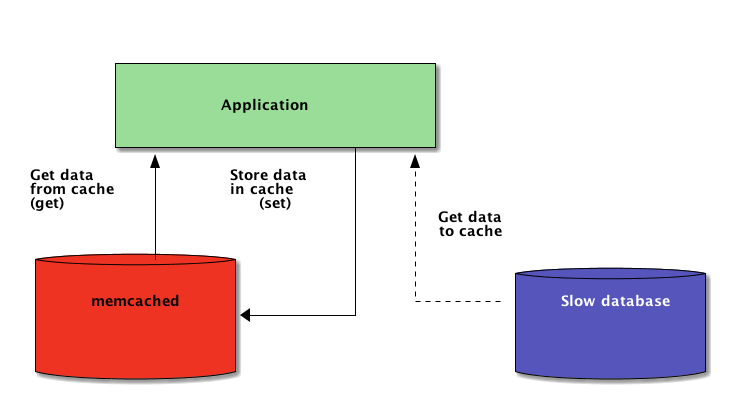
Instagram used Memcache to handle read requests and protect their PostgreSQL database from being overwhelmed. They also employed a cache invalidation strategy to ensure data freshness.
Lesson: Effective caching strategies can significantly enhance performance and scalability.
Here are top 5 cache strategies you can learn for system design interview, courtesy ByteByteGo
10. Avoid Thundering Herd Problem
To prevent a surge of requests overwhelming the database after a cache invalidation, Instagram implemented a Memcache lease system.
This allowed only one request to refresh the cache while others received stale data until the cache was updated.
Lesson: Implement mechanisms to prevent database overload during cache misses.
Conclusion
Instagram’s scaling journey highlights the importance of adapting and optimizing both infrastructure and code to handle hypergrowth.
Each architectural decision involves trade-offs, but with smart strategies, even simple, proven technologies like Python can be scaled to handle massive user bases.
Whether you’re a developer or a system architect, these lessons from Instagram’s experience offer valuable insights into building scalable, resilient systems.
For further reading and more in-depth information on Instagram’s scaling strategies, check out the references at the bottom of the page. If you found this article useful, consider sharing it with someone interested in system design.
References
- Scaling Instagram Infrastructure
- Managing data store locality at scale with Akkio
- SREcon19 Asia/Pacific — Cross Continent Infrastructure Scaling at Instagram
- Open-sourcing a 10x reduction in Apache Cassandra tail latency
- What Powers Instagram: Hundreds of Instances, Dozens of Technologies
- Location-Aware Distribution: Configuring servers at scale
- Burbn — the early Instagram
- How Instagram is scaling its infrastructure across the ocean

10 Things Software Engineers Can Learn from Instagram’s Scaling to 2.5 Billion Users was originally published in Javarevisited on Medium, where people are continuing the conversation by highlighting and responding to this story.
This post first appeared on Read More