
A simple roadmap to get good at Software Design and System design with right resources
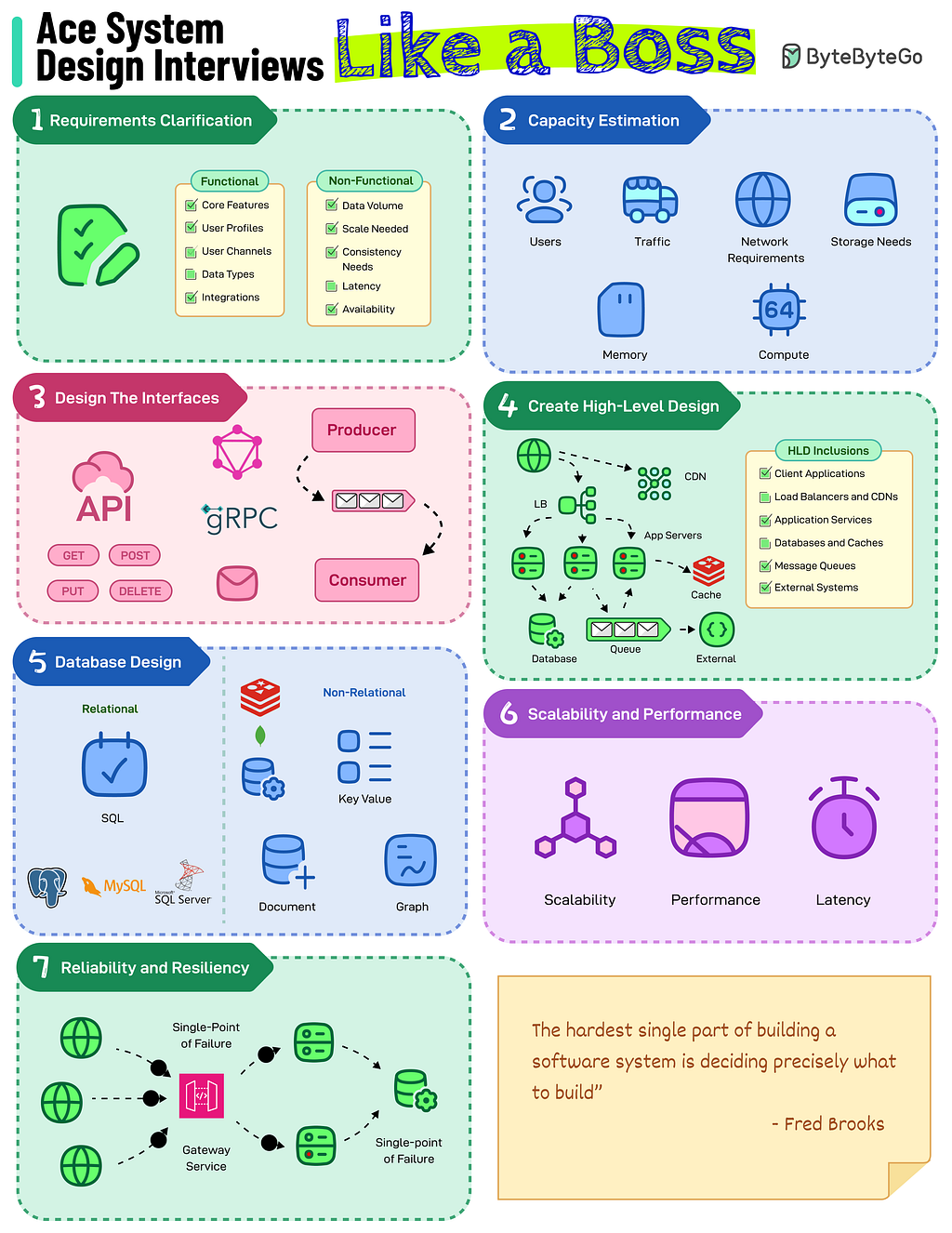
Hello friends, System design is one of those skills that separates good developers from senior engineers. It’s also one of the most intimidating topics, not because it’s impossible, but because it’s broad. Databases, caching, APIs, scalability, queues, trade-offs… where do you even start?
The mistake most people make is trying to learn system design randomly from blog posts and YouTube videos. That usually leads to scattered knowledge without a clear mental framework.
A better approach? Learn from structured resources that teach how systems are built in the real world and how to communicate design decisions clearly — especially if you’re preparing for interviews.
Here’s how to do that effectively, along with some of the best platforms to guide you.
Step 1: Build Strong Foundations
Before jumping into complex architectures, you need to understand the core building blocks:
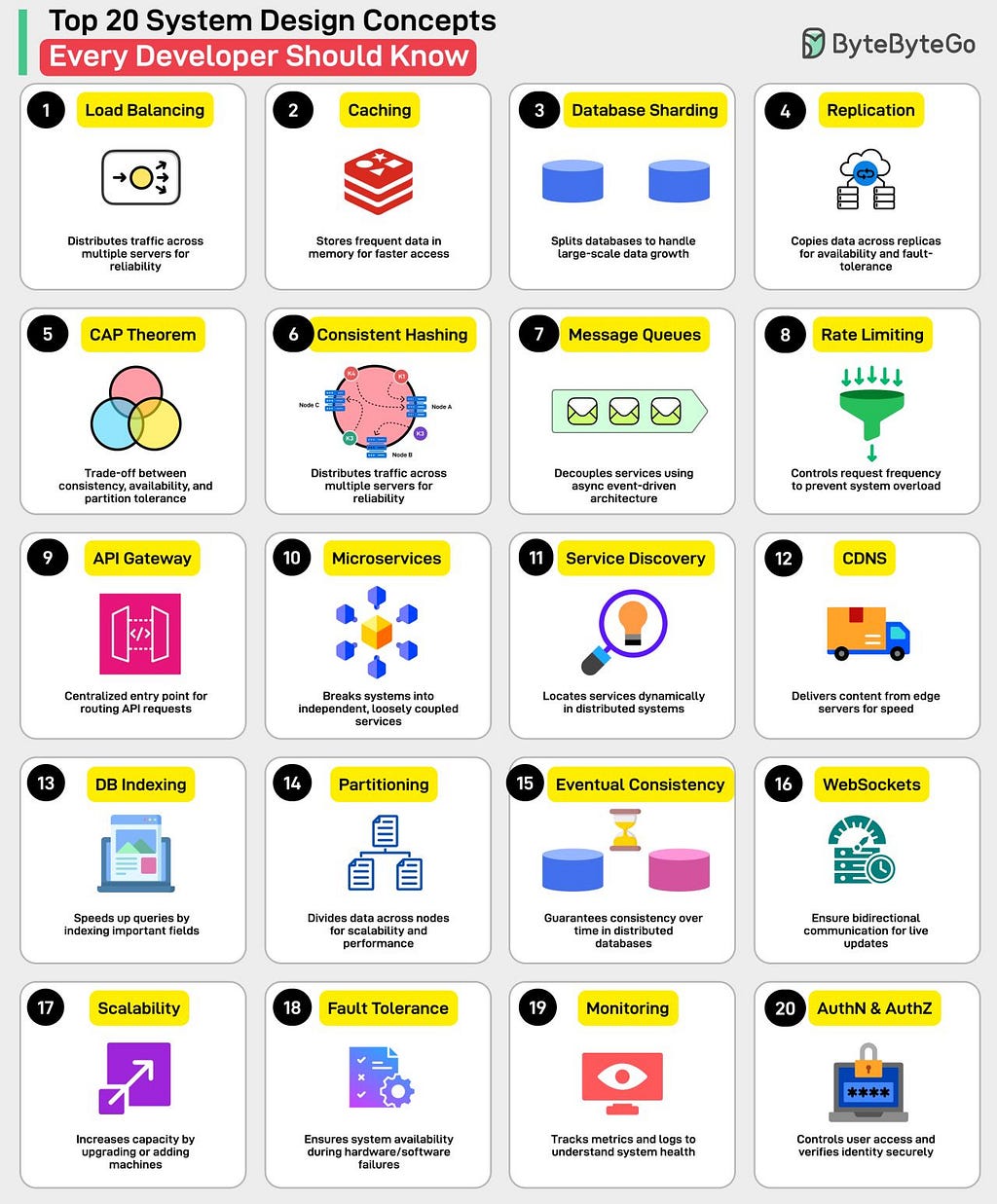
- Load balancers
- Caching strategies
- Databases (SQL vs NoSQL)
- CAP theorem
- Consistency models
- Messaging queues
A great place to start is ByteByteGo. It explains large-scale systems using simple diagrams and real-world examples. Instead of just theory, you learn why companies choose certain designs and what trade-offs they accept.
Another excellent beginner-friendly resource is DesignGurus.io, which breaks down common system design patterns and interview-style problems in a very structured way.
Their Grokking the System Design Interview course is arguably the most popular System Design interview course, I have come across.
Grokking the System Design Interview | Video Course by Design Gurus
Step 2: Learn by Solving Real Design Problems
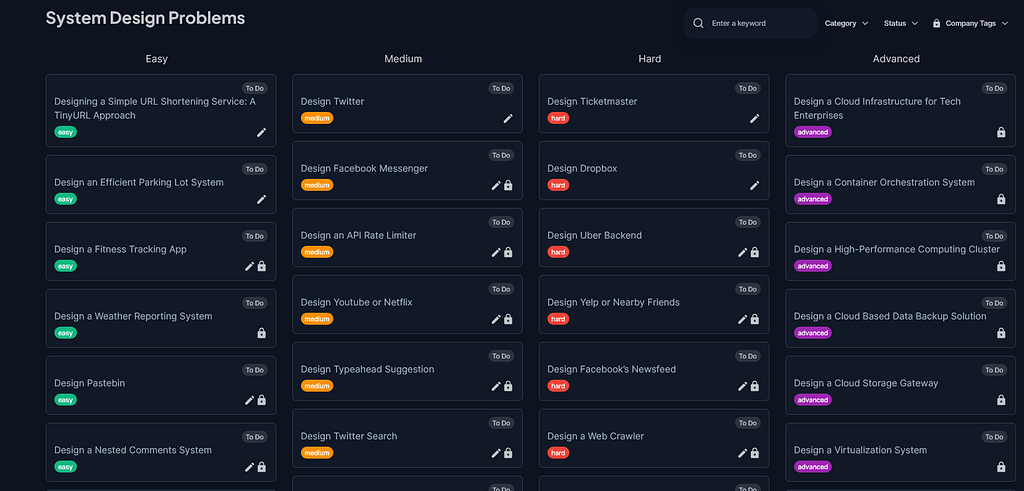
System design is not something you “read once and know.” You get better by practicing problems like:
- Design a URL shortener
- Design a messaging system
- Design an Efficient Parking Lot System
- Design a ride-sharing app
- Design a news feed
- Design TicketMaster
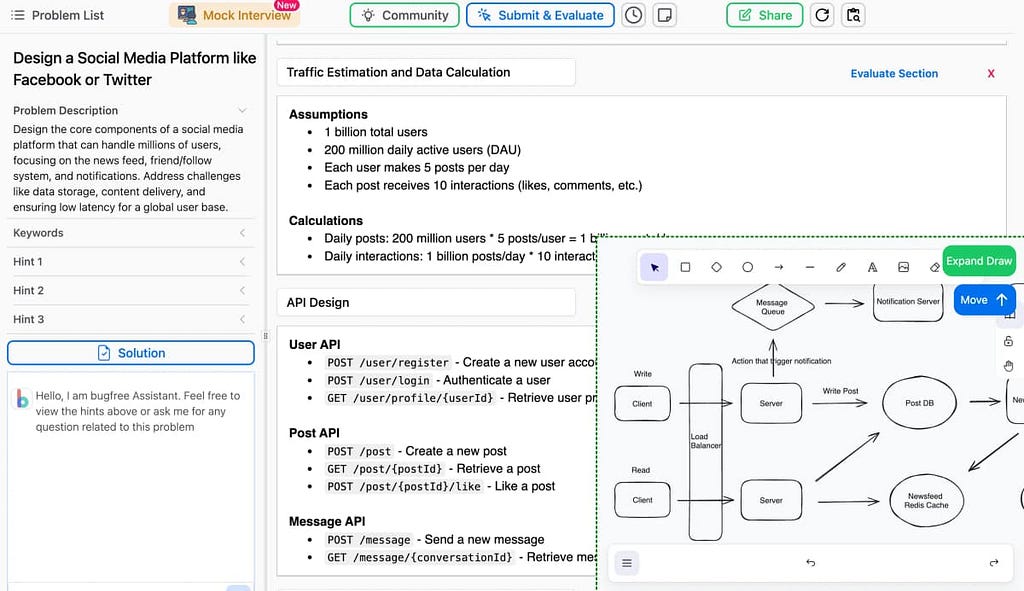
Platforms like Codemia and BugFree.ai are especially useful here because they simulate real interview-style design questions and show you how strong candidates structure their answers.
Similarly, Exponent offers guided learning paths that walk you through both fundamentals and advanced system design challenges, making it easier to move from beginner to confident designer.
Step 3: Go Beyond Interviews — Think Like an Architect
If your goal is not just to pass interviews but to design better systems at work, you need deeper architectural thinking:
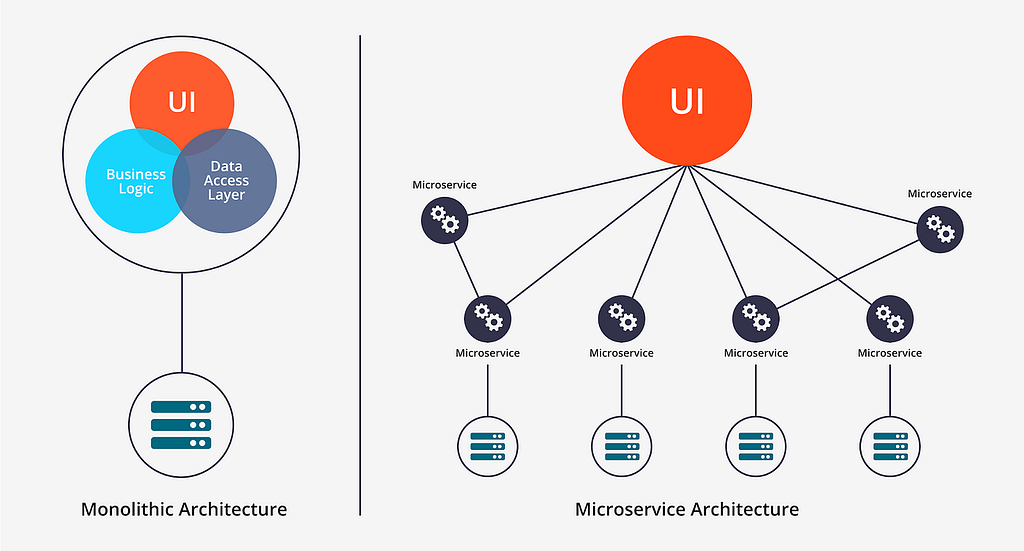
- How to choose between microservices vs monolith
- How to design for failure
- How to scale read-heavy vs write-heavy systems
- How to evolve systems over time
This is where System Design School really shines. It focuses on practical, production-level thinking rather than just interview answers.
You can also find well-structured courses and interactive learning paths on Educative, which is great for developers who prefer hands-on, text-based learning over long video lectures.
Step 4: Practice Communicating Your Design
One thing many engineers overlook: system design is a communication skill.
You might have a great solution in your head, but if you can’t explain trade-offs clearly, interviewers (and teammates) won’t see your depth.
Practicing mock interviews and structured explanations helps a lot. Tools like BugFree.ai can help you sharpen your thinking by exposing you to different system design scenarios and solution approaches.
The Real Secret to Mastering System Design
There’s no single course that magically makes you an expert. The real progress happens when you:
- Learn the fundamentals
- Study real-world architectures
- Practice open-ended design problems
- Get feedback and refine your thinking
Use structured platforms like ByteByteGo, Codemia, DesignGuru, Exponent, System Design School, Educative, and BugFree.ai as learning partners — not just content libraries.
- System Design · Coding · Behavioral · Machine Learning Interviews
- Tech Interview Preparation – System Design, Coding & Behavioral Courses | Design Gurus
- Interview prep for product, engineering, data science, and more – Exponent
- Master System Design & Behavioral Interviews Like Leetcode
Over time, you’ll notice something powerful:
You’ll stop memorizing designs… and start thinking like a system designer.
And that’s the skill that truly levels up your career.
All the best for your System Design learning journey !!
If you got any questions related to learning System Design and Software Architecture, feel free to ask in comments.

How to Actually Get Good at System Design (Without Feeling Lost) was originally published in Javarevisited on Medium, where people are continuing the conversation by highlighting and responding to this story.
This post first appeared on Read More