

I Read 20+ Object-Oriented Programming and Design Books: Here Are My Top 7 Recommendations for 2026
My favorite resources, books and courses to learn Object Oriented Programming and Design in 2026
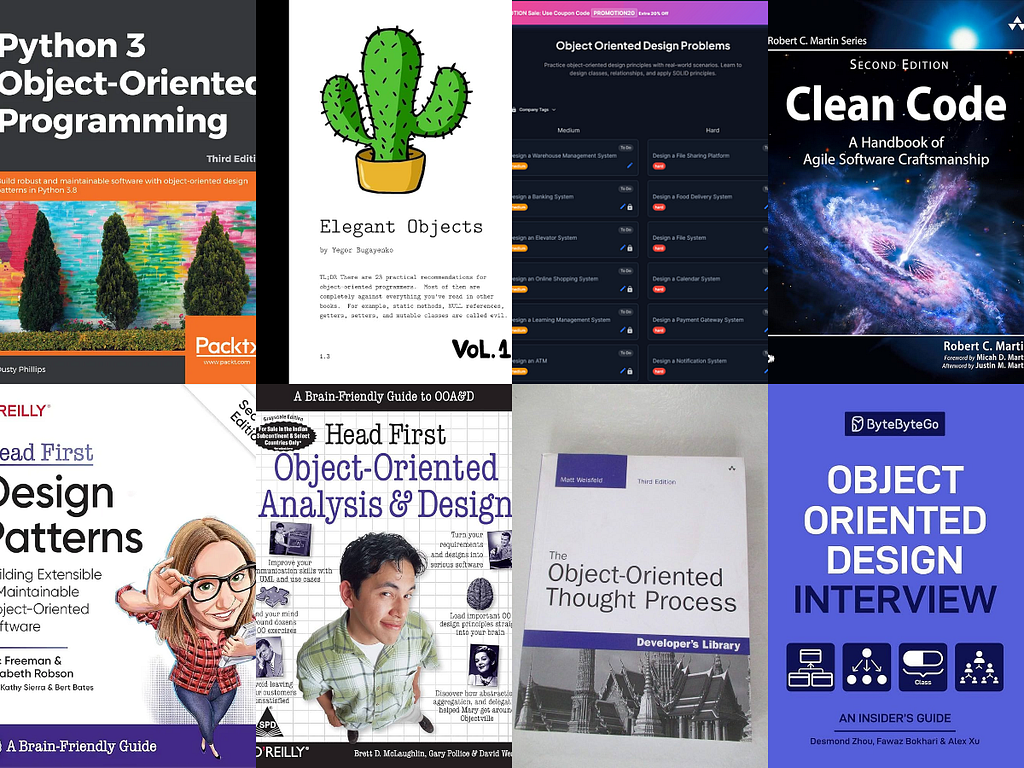
If you want to become a better software engineer in 2026, learning Object-Oriented Programming (OOP) deeply is still one of the best investments you can make.
Most developers learn OOP indirectly while learning languages like Java, C++, or Python, but very few truly understand how to apply concepts like abstraction, composition, and polymorphism in real-world systems.
Over the last few years, I’ve read more than 20 books and courses on object-oriented programming, design patterns, and software design. In this article, I’ll share the 7 books that had the biggest impact on how I design and write code today.
7 Best Books to Learn Object-Oriented Programming and Design
These books cover everything from beginner-friendly introductions to advanced design thinking and interview-focused object-oriented design.
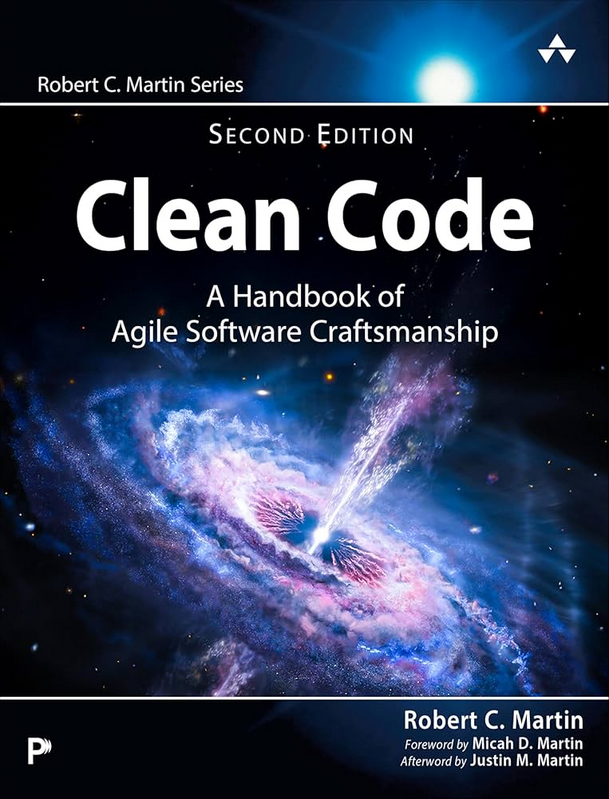
1. Clean Code
If I had to recommend just one book to improve your OOP and coding style, it would be Clean Code.
This book teaches how to write readable, maintainable, and testable object-oriented code. It explains how to replace procedural logic with polymorphism, how to design classes properly, and introduces the famous SOLID design principles.
It’s a must-read for every developer who wants to move from “working code” to professional-quality code. The second edition of this book is even better with improved examples and practices. I highly recommend it to read to every developers.
Here is the link to get the this book — Clean Code
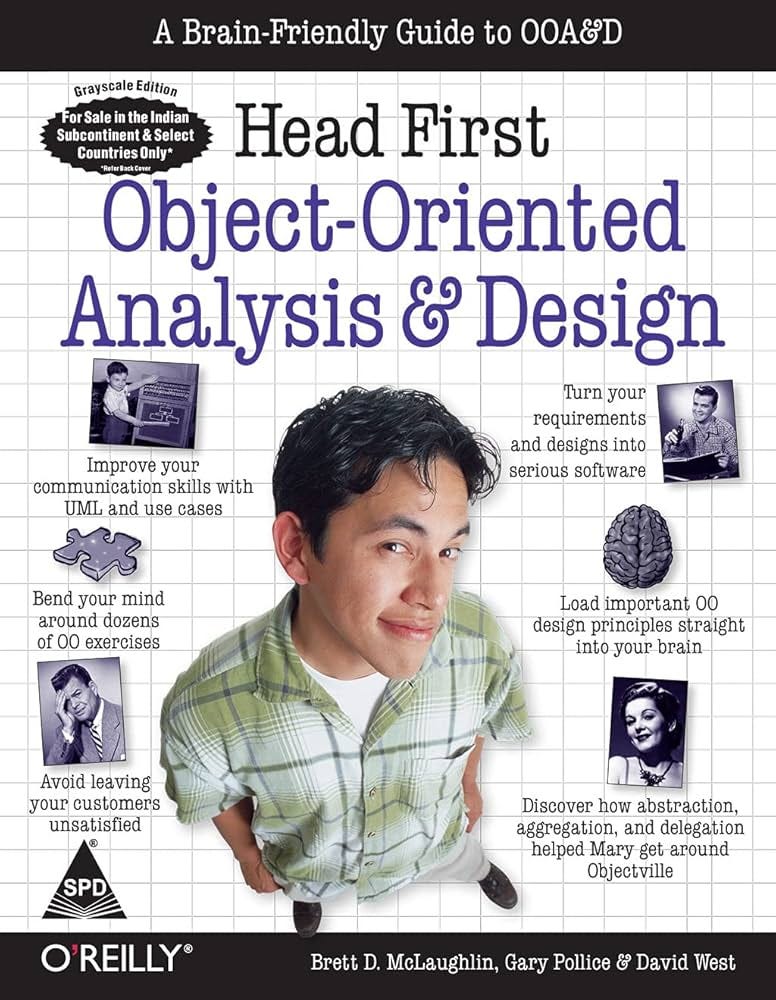
2. Head First Object-Oriented Analysis and Design
This is the best beginner-friendly book to truly understand how to think in objects.
It covers:
- Classes and objects
- Encapsulation and abstraction
- Composition vs inheritance
- Real-world design scenarios
The visual and story-based format makes it much easier to grasp than traditional textbooks, which is why I recommend it as the first OOP book for most developers.
You can also combine this book with the SOLID Principles of Object-Oriented Design course from Udemy, which covers OOP design principles explained in this book in more detail.
Here is the link to get the this book — Head First Object-Oriented Analysis and Design
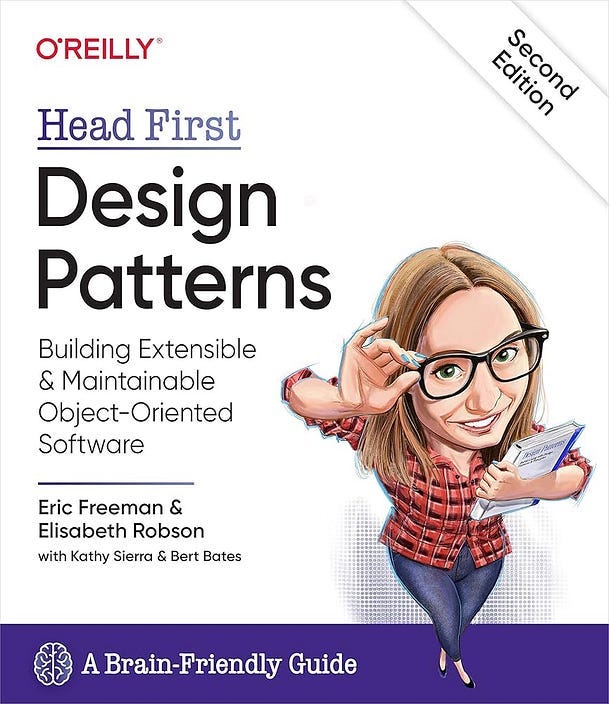
3. Head First Design Patterns (2nd Edition)
Design patterns are where OOP concepts become truly powerful.
This book explains patterns like Strategy, Observer, Factory, and Decorator in a very practical way and shows why composition is often better than inheritance, a key idea in modern software design.
Even if you already know design patterns, rereading the first few chapters can completely change how you structure classes and interfaces.
If you want, you can also combine this book with the Java Design Patterns — The Complete Masterclass to see some live code examples.
Here is the link to get the this book — Head First Design Patterns (2nd Edition)
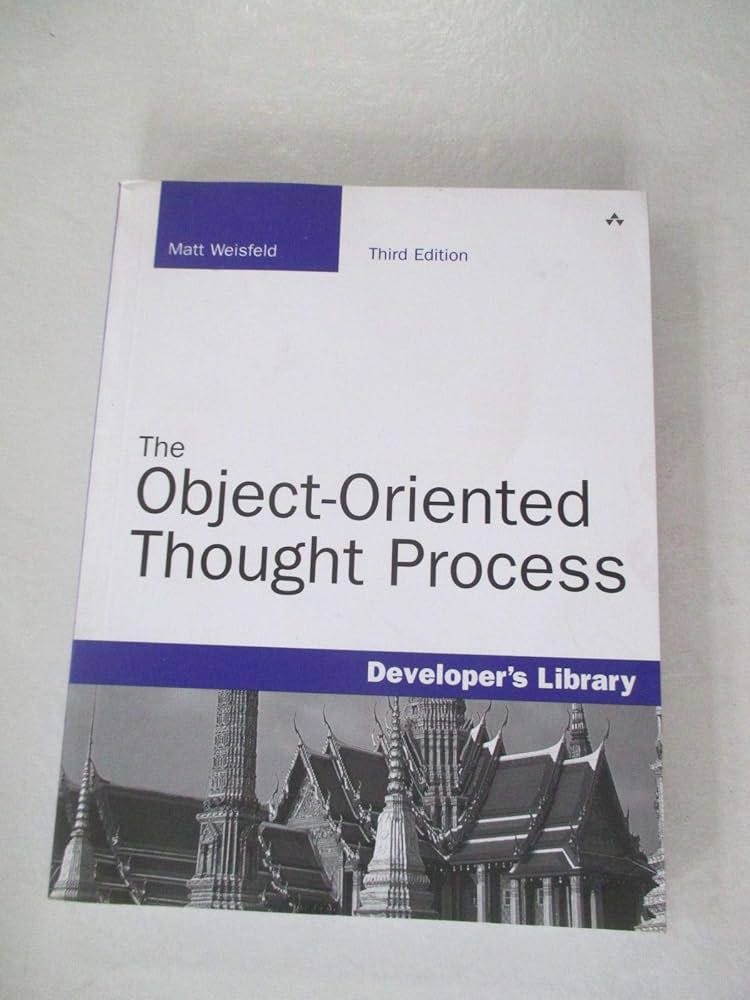
4. The Object-Oriented Thought Process
Many developers know OOP syntax but still think procedurally. This book helps you retrain your thinking.
It focuses on how to:
- Identify objects from requirements
- Define responsibilities correctly
- Design systems with low coupling and high cohesion
It’s especially useful if you’re transitioning from C-style programming to modern object-oriented languages.
Here is the link to get the this book — The Object-Oriented Thought Process
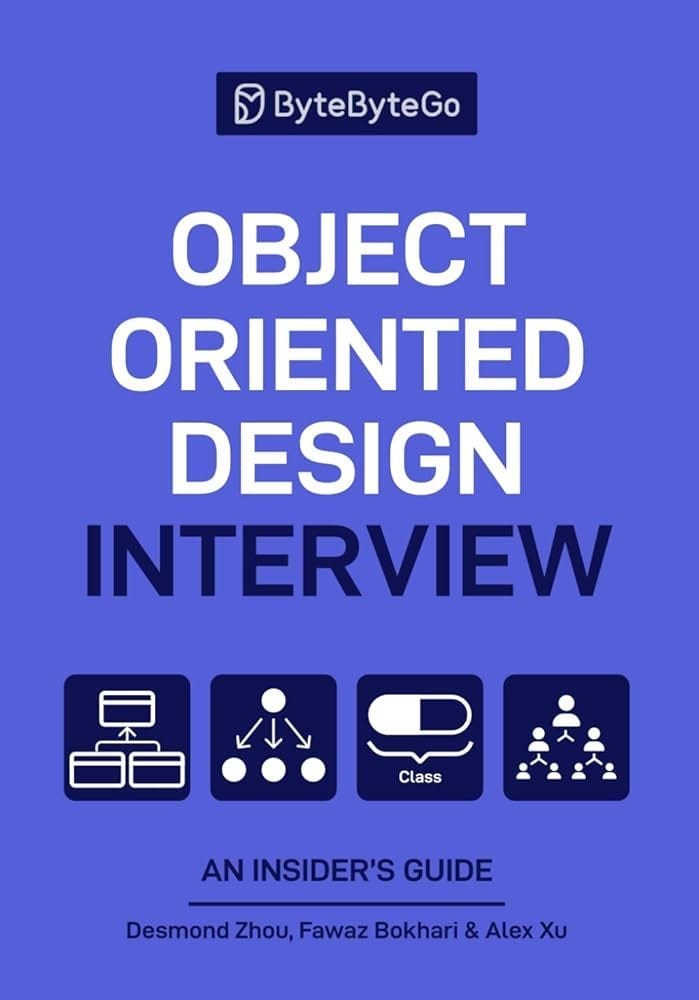
5. ByteByteGo’s Object Oriented Design Interview book
If your goal is to crack coding or system design interviews, this book is one of the most practical OOD resources available today.
It walks through real interview-style problems like designing:
- Parking lot systems
- Elevator systems
- Vending machines
It also complements the ByteByteGo platform, which offers deep-dive content on both system design and object-oriented design. You can also get lifetime access at a 50% discount.
Here is the link to get the this book — ByteByteGo’s Object Oriented Design Interview book
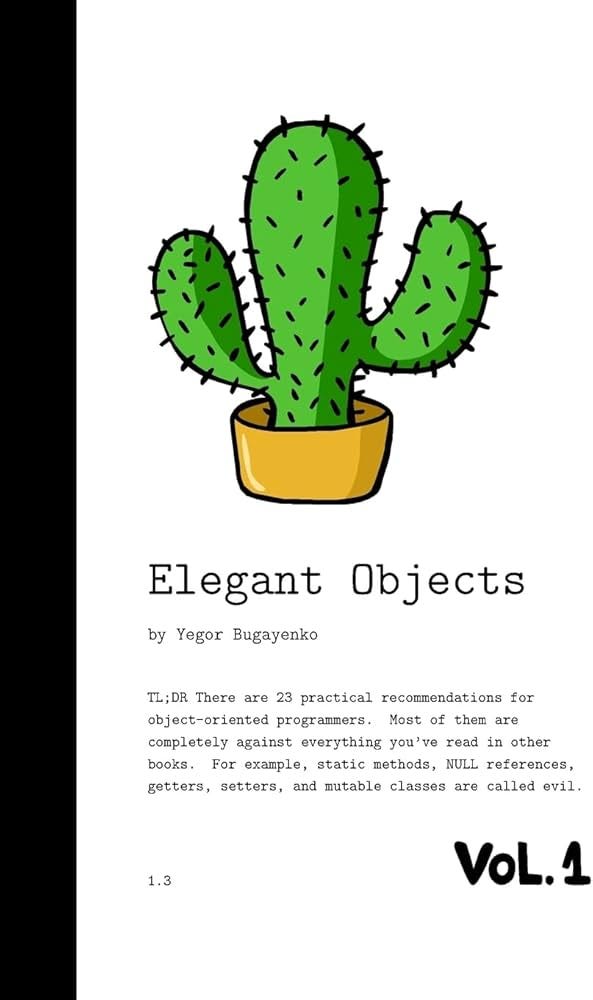
6. Elegant Objects
This is a more advanced and opinionated book that challenges traditional OOP practices.
The author argues against:
- Mutable objects
- Nulls
- Static methods
- Getters and setters
You won’t agree with everything, but the book forces you to rethink design decisions and become more intentional about how you model objects.
Here is the link to get the this book — Elegant Objects
If you need a course to go along with this book, I suggest you check out Grokking the Object-Oriented Design Interview course on DesignGuru.io. It’s an interesting, text-based, interactive course to learn bout OOP and OOAD.
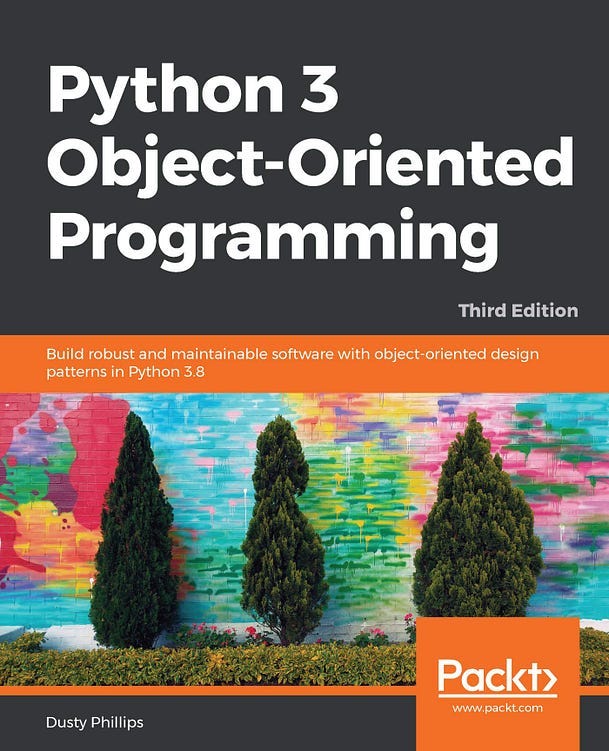
7. Python 3 Object-Oriented Programming
If you primarily work in Python, this book explains how OOP concepts map to Python’s unique features like:
- Dynamic typing
- Mixins
- Multiple inheritance
It also covers Python-specific design patterns and modern language features, making it a strong practical companion for Python developers.
Here is the link to get the this book — Python 3 Object-Oriented Programming
Bonus Resource: Practice Object-Oriented Design Problems
Now, here is a game changer resource which will truly help you to master object oriented analysis and design:
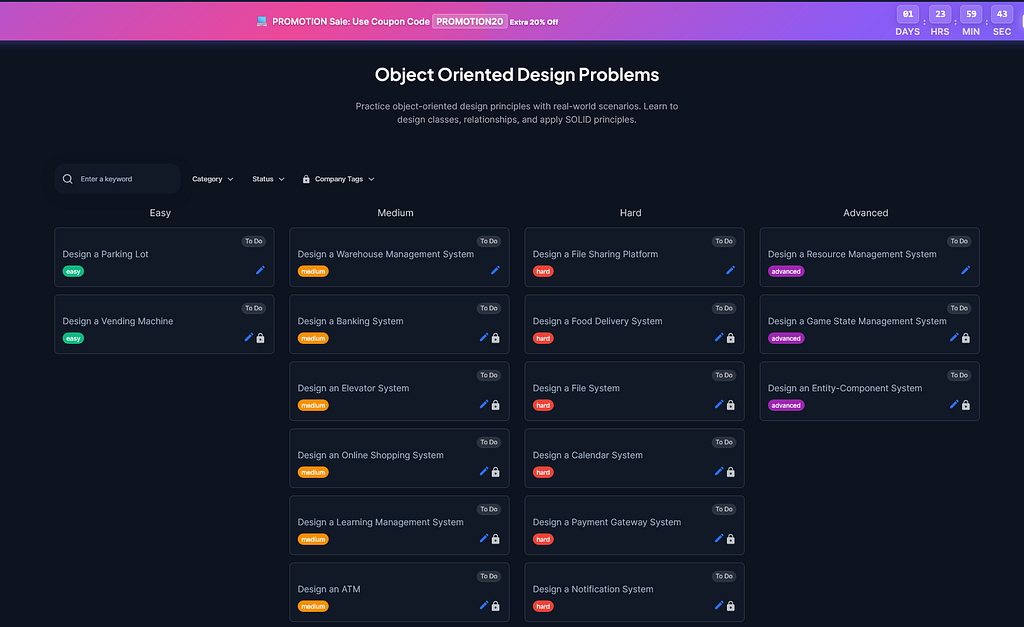
Codemia.io for Solving Object Oriented Design Questions
Reading books is important, but OOP is a skill you only master through practice. The Codemia.io provides structured object-oriented design problems like:
- Parking Lot
- Banking System
- Elevator System
You can practice with editorial solutions and improve your ability to translate theory into real system designs. They currently offer over 60% discount on their lifetime membership for just $199 (U.P. $499).
If you really want to take your object oriented design skills to next level, I highly recommend you to join Codemia.io now.
Final Thoughts
Object-Oriented Programming is not just about classes and inheritance — it’s about modeling real-world problems in a way that makes software easy to change and extend.
If you only read one book from this list, start with Clean Code.
If you read three, add Head First OOAD and Head First Design Patterns.
The rest will help you deepen your understanding and prepare for interviews and large-scale system design.
Other Articles You May Like:
- Top 5 Books to Learn SQL and Database design
- Top 5 Courses to learn Design Patterns in Java
- Top 5 Courses to learn Object-Oriented Analysis and Design
- 10 Books Every Programmer should Read
- 20+ System Design Interview Questions
P. S. — If you want to do just one thing then you can join ByteByteGo and System Design Concepts and practice coding interviews you will thank me later. It’s one of the most comprehensive resource for not just coding interview but also for senior engineers to get better at their work. They are also offering 50% Discount now.
System Design · Coding · Behavioral · Machine Learning Interviews

I Read 20+ Object-Oriented Programming and Design Books: Here Are My Top 7 Recommendations for 2026 was originally published in Javarevisited on Medium, where people are continuing the conversation by highlighting and responding to this story.
This post first appeared on Read More