

10 Books Every AI Engineer Should Read in 2026
These are the best books for AI engineers to learn AI Engineering, LLM Engineers, Prompt Engineering and Agentic AI in 2026
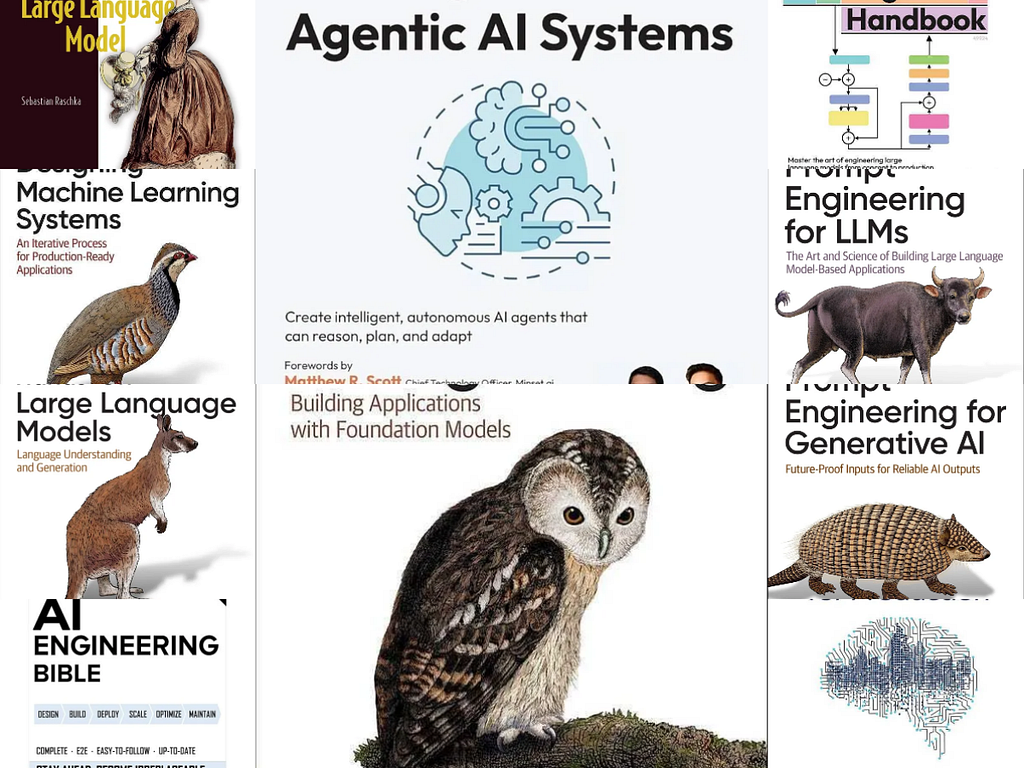
Hello friends, AI is evolving faster than any other field in software engineering.
New models, new frameworks, and new tools are released almost every week. But despite all this change, one thing remains constant: engineers with strong fundamentals always outperform everyone else.
And when it comes to building those fundamentals, books still provide the deepest and most structured learning experience.
Over the past year, I’ve been reading some of the best books on AI engineering, LLMs, prompt design, and production ML systems. These books go far beyond theory — they show you how to build, deploy, and scale real-world AI applications.
In this article, I’m sharing 10 must-read books for AI engineers in 2026 — whether you’re building LLM apps, designing ML systems, or exploring agentic AI.
1. AI Engineering by Chip Huyen
If you read only one book on AI engineering, make it this one.
Chip Huyen explains what it actually takes to turn ML models into production systems — covering data pipelines, deployment, monitoring, and scaling.
This book focuses on engineering and systems, not just models, which makes it essential for modern AI developers.
Here is the link to get this book — AI Engineering by Chip Huyen

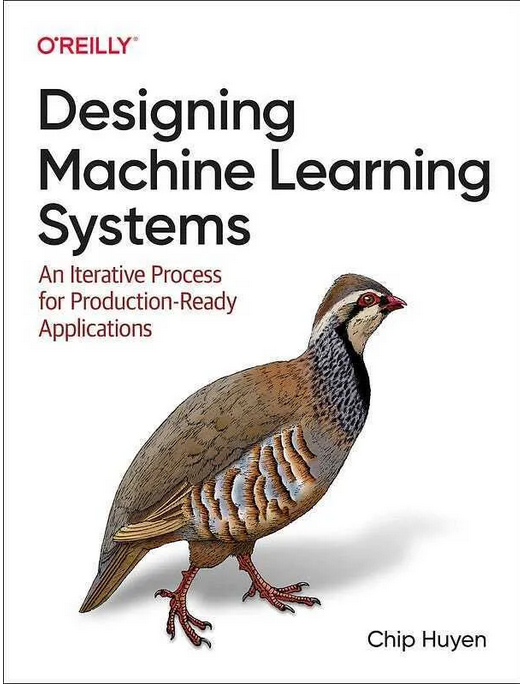
2. Designing Machine Learning Systems by Chip Huyen
This book complements AI Engineering perfectly. It dives deeper into how to design reliable ML systems that handle real-world challenges like data drift, retraining, and evaluation.
If you want to think like a machine learning systems architect, this book is a must-read.
Here is the link to get this book — Designing Machine Learning Systems by Chip Huyen
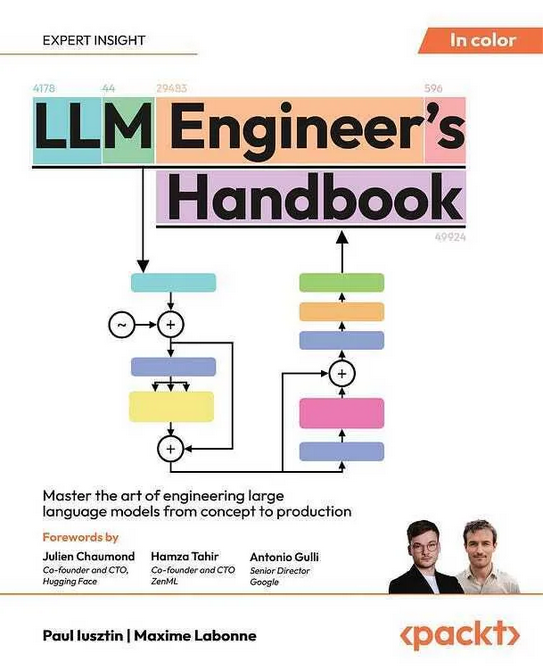
3. The LLM Engineering Handbook by Paul Iusztin and Maxime Labonne
This is one of the most practical guides to building LLM applications in production.
It covers prompt engineering, RAG pipelines, evaluation, fine-tuning, and system architecture — everything you need to move from using GPT APIs to building full-fledged LLM products.
Here is the link to get this book — — The LLM Engineering Handbook by Paul Iusztin and Maxime Labonne
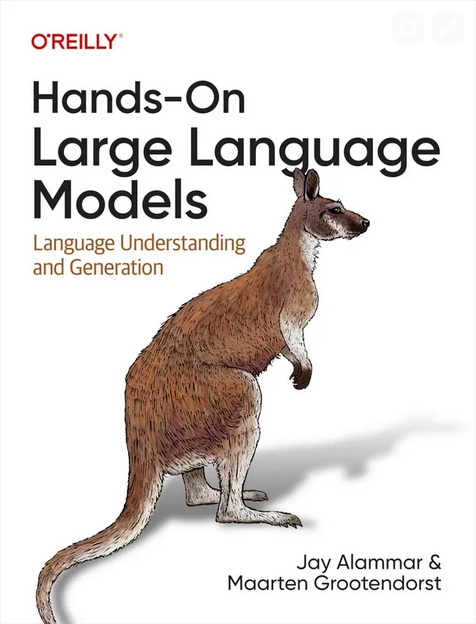
4. Hands-On Large Language Models
Written by Jay Alammar and Maarten Grootendorst, this book is perfect if you learn best by building things.
It teaches you how to fine-tune, evaluate, and deploy LLMs using tools like Hugging Face and modern open-source ecosystems.
Here is the link to get this book — — Hands-On Large Language Models
5. Build a Large Language Model (from Scratch) by Sebastian Raschka
If you want to truly understand transformers, attention, and tokenization, this book walks you through building an LLM from the ground up using PyTorch.
It’s the best way to go from API user → model builder.
Here is the link to get this book — — Build a Large Language Model (from Scratch) by Sebastian Raschka, PhD

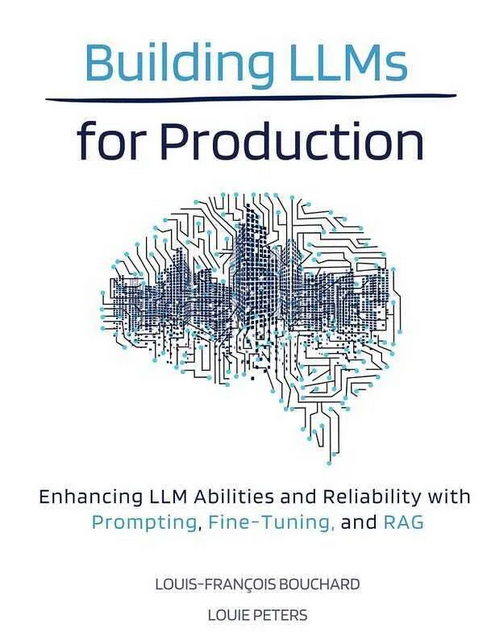
6. Building LLMs for Production by Louis-François Bouchard and Louie Peters
This book focuses on the operational side of LLMs — reliability, scaling, fine-tuning, and deployment patterns. It’s especially useful for engineers working on real products rather than research experiments.
Here is the link to get this book — — Building LLMs for Production by Louis-François Bouchard and Louie Peters
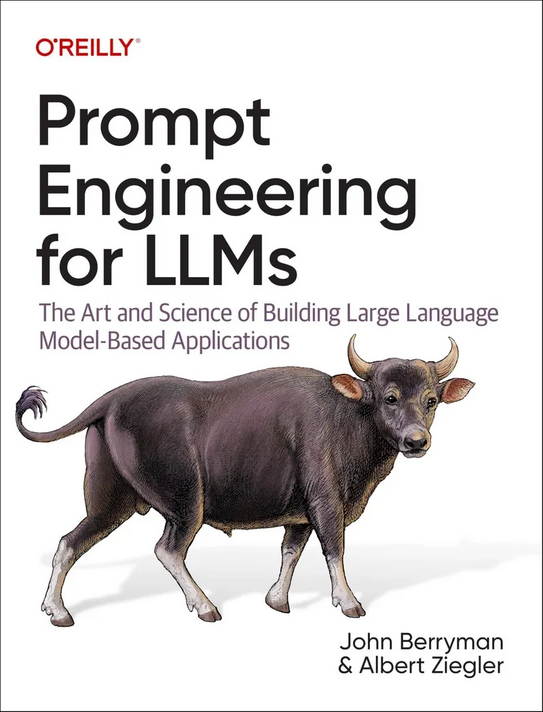
7. Prompt Engineering for LLMs
Prompt engineering has become a core skill for AI engineers. This book explains prompt patterns, chain-of-thought reasoning, and techniques for building more reliable AI applications.
Here is the link to get this book — — Prompt Engineering for LLMs
8. Prompt Engineering for Generative AI
This is a more comprehensive and future-focused guide to prompt design across text, image, and code generation models. It emphasizes building prompts that are robust and production-ready.
Here is the link to get this book — — Prompt Engineering for Generative AI

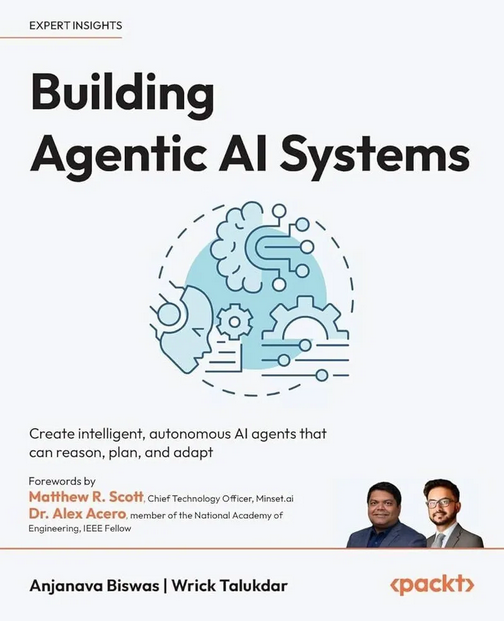
9. Building Agentic AI Systems
As AI moves toward autonomous agents, this book explains how to build systems that can reason, plan, and interact with tools. It’s a great introduction to frameworks like LangGraph and agent architectures.
Here is the link to get this book — — Building Agentic AI Systems
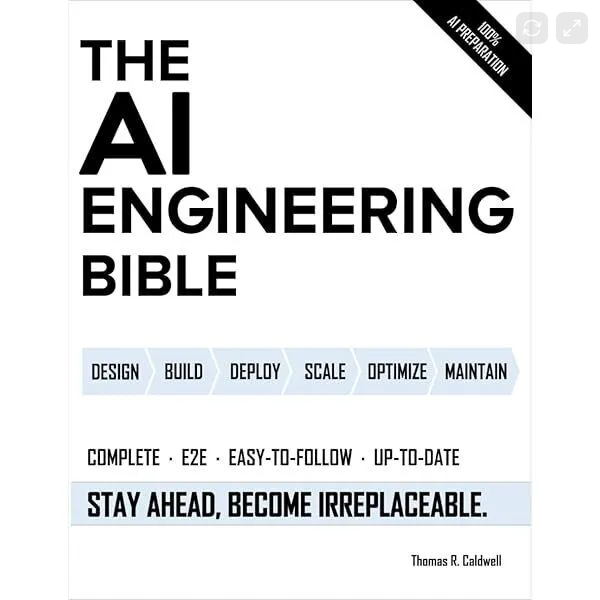
10. The AI Engineering Bible
This book provides a broad, end-to-end view of building production AI systems — from architecture and infrastructure to deployment and monitoring. It’s especially useful for senior engineers and tech leads.
Here is the link to get this book — — The AI Engineering Bible
Why These Books Matter
While there are hundreds of book on AI, but these books stand out because they:
- Focus on production systems, not just academic theory
- Are written by engineers who have built real AI products
- Cover the full stack — from model internals to deployment and monitoring
- Reflect the current state of LLMs, agents, and modern ML tooling
If your goal in 2026 is to become a strong AI engineer — not just someone who calls APIs — this reading list is a solid roadmap.
Pair Reading with Hands-On Practice
Books give you depth, but real understanding comes from building.
If you want a structured, practical way to apply what you learn, you can complement these books with a hands-on course like:
LLM Engineering: Master AI, Large Language Models & Agents
It walks through building RAG chatbots, working with vector databases, and deploying real-world LLM applications.
Alternatively, you can also join the Full Stack AI Engineering to become an AI Engineer in 2026.
Build Real Products with LLMs, Context Engineering, RAG.
Final Thoughts
That’s all about the 10 Books Every AI Engineer should read in 2026. AI engineering is quickly becoming one of the most valuable skill sets in software development.
The engineers who succeed in this space are not the ones who chase every new tool — they’re the ones who understand the foundations and know how to build reliable systems.
These 10 books will help you develop exactly that skill set.
All the best !!

10 Books Every AI Engineer Should Read in 2026 was originally published in Javarevisited on Medium, where people are continuing the conversation by highlighting and responding to this story.
This post first appeared on Read More