
My favorite AI Engineering, Prompt Engineering and Agentic AI Courses on Frontend Masters in 2026
Hello friends, AI engineering is no longer a niche skill reserved for data scientists and researchers. In 2026, it has become an essential part of every developer’s toolkit — whether you’re building intelligent chatbots, automating workflows, or deploying production-grade AI agents.
But with the explosion of AI content online, finding high-quality, structured learning is harder than ever.
Frontend Masters has long been my go-to platform for serious technical education. While they started as front end shop, they now teach whole AI stack and and their AI content is literally amazing.
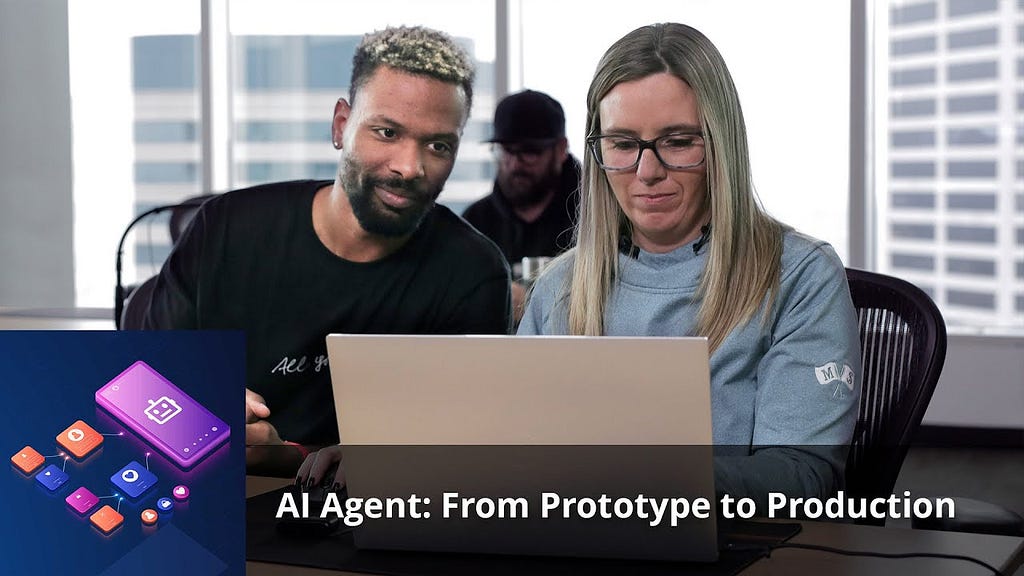
Over the past few months, I worked through more than 20 AI-related courses on the platform, ranging from beginner-friendly introductions to building AI agents like Scott Moss’s AI Agent: From Prototype to Production to deep dives into neural networks and machine learning.
Production AI Apps | Evals, RAG, Human in the Loop
After all that time invested, I’ve distilled my experience into the six courses I’d genuinely recommend to any developer trying to build real AI engineering skills like Prompt Engineering, Agentic AI, MCP etc. Here’s what stood out, why, and who each course is best suited for.
6 Best Frontend Masters Courses to learn AI Engineering in 2026
So, here we go, the 6 best courses which you can take on Frontend Masters to learn essential AI Engineering skills right from prompt engineering to creating your own AI agent.
I have chose both hands-on and engaging courses, so you will not just learn but also learn better.
So let’s start with the most important skill when it comes to interacting with chatbots, prompt engineering.
It’s like garbage in, garbage out. If you give lousy prompts, you will get lousy results, that’s why its important that you know important prompt engineering techniques to make best use of AI capabilities.
1. Practical Prompt Engineering
If you’re only going to take one course to get started with AI engineering, this is the one. Prompt engineering sounds deceptively simple — you’re just writing text, right? In practice, it’s a craft that dramatically affects the quality, reliability, and cost of everything you build with language models.
This course goes far beyond the usual “be specific and clear” advice. It covers chain-of-thought prompting, few-shot examples, structured output formatting, and how to debug prompts that aren’t performing as expected.
What I appreciated most was the emphasis on practical, repeatable techniques rather than magic tricks that only work in demos.
The instructor grounds everything in real-world use cases, making it easy to apply the lessons immediately.
Whether you’re building a customer support bot or an internal data extraction pipeline, this course will change how you think about communicating with AI models. Highly recommended as your first stop.
Here is the link to join this course — Practical Prompt Engineering
2. Cursor & Claude Code: Professional AI Setup
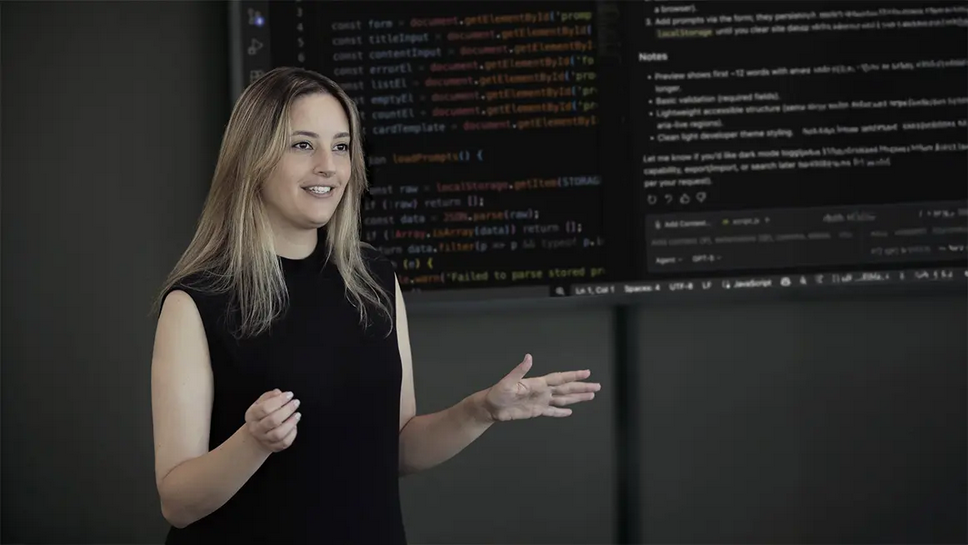
AI-assisted coding has gone from novelty to necessity, and this course is the definitive guide to setting it up properly. It focuses on two of the most powerful tools in a developer’s AI arsenal: Cursor (an AI-first code editor) and Claude Code (Anthropic’s agentic coding tool).
What sets this course apart is the word “professional” in the title — it actually means it. You won’t just learn how to autocomplete code faster.
You’ll learn how to configure your environment for maximum productivity, write effective context files, manage multi-file refactors with AI assistance, and avoid the common pitfalls that cause AI coding tools to generate mediocre or broken output.
For working developers who want to dramatically speed up their workflow without sacrificing code quality, this course is essential. It’s practical, opinionated, and immediately applicable. I’d estimate it shaved hours off my weekly development time.
Here is the link to join this course — Cursor & Claude Code: Professional AI Setup

3. AI Agent: From Prototype to Production
Building a demo AI agent is easy. Getting it to work reliably in production is a completely different challenge — and this course addresses that gap head-on. It’s one of the most valuable courses I encountered across the entire platform.
The instructor walks through the full lifecycle of an AI agent: designing the architecture, handling tool calls and retries, managing state, dealing with hallucinations and errors gracefully, and monitoring performance in production.
There’s also meaningful coverage of cost management, which is often overlooked in AI tutorials but becomes critical at scale.
This course is best suited for intermediate to advanced developers who have already built something with AI and now need to make it production-worthy.
It’s the course I wish I’d had before I deployed my first agent and discovered all the ways it could fail.
Here is the link to join this course — AI Agent: From Prototype to Production
4. Complete Intro to MCP
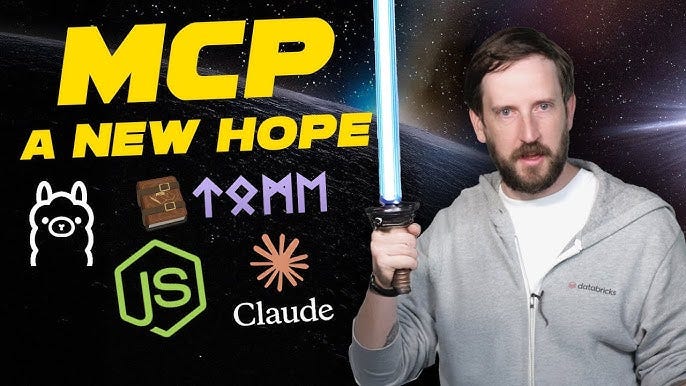
Model Context Protocol (MCP) is one of the most important emerging standards in AI tooling, and this course gives you a solid foundation for understanding and building with it.
If you’ve been confused about how AI assistants connect to external tools, databases, and APIs — MCP is the answer, and this course explains it clearly.
The course walks through what MCP is, why it matters, and how to build your own MCP servers that expose tools and context to AI models.
By the end, you’ll understand how tools like Cursor and Claude communicate with external systems, and you’ll be equipped to extend that ecosystem yourself.
This is a course that feels ahead of the curve. The developers who understand MCP today are the ones who will be building the most capable AI-integrated systems tomorrow.
If you’re planning to build anything involving AI agents and external integrations, this is required reading.
Here is the link to join this course — Complete Intro to MCP
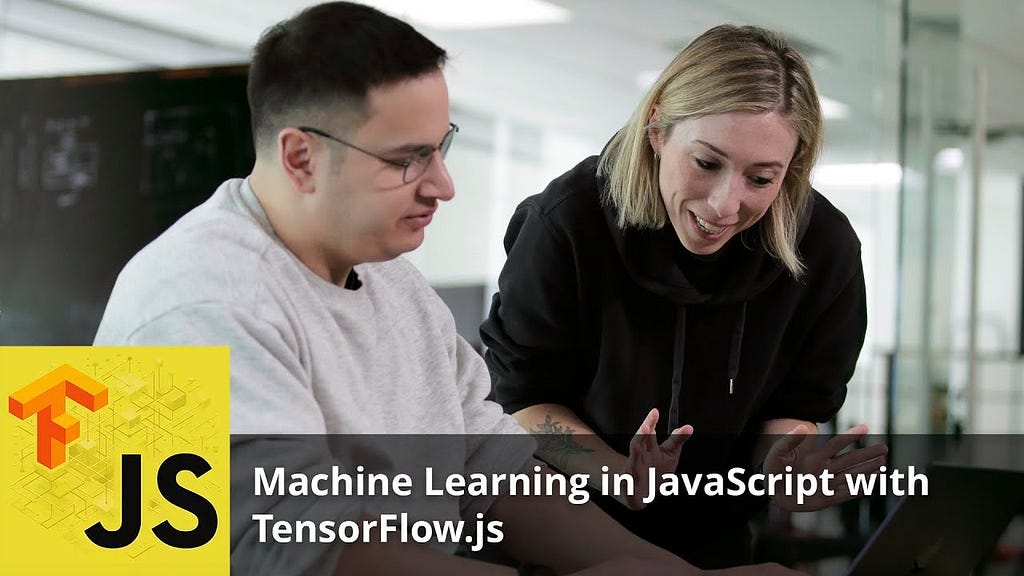
5. Machine Learning in JavaScript with TensorFlow.js
Most machine learning resources assume you’re working in Python. This course is a refreshing exception, it brings ML directly into the JavaScript ecosystem using TensorFlow.js, making it genuinely accessible to frontend and full-stack developers without requiring a context switch to a new language and toolchain.
The course covers building and training neural networks, working with pre-trained models, running inference in the browser, and handling common ML tasks like image classification and text analysis.
It’s well-paced and conceptually clear without dumbing things down.
If you’re a JavaScript developer curious about machine learning but put off by the Python-centric ecosystem, this is your entry point.
It won’t make you a ML researcher, but it will give you a solid understanding of how models work and how to integrate them meaningfully into web applications.
Here is the link to join this course — Machine Learning in JavaScript with TensorFlow.js
6. Hard Parts of AI: Neural Networks by Will Sentance
Will Sentance has built a reputation on Frontend Masters for explaining hard things with unusual clarity, and this course lives up to that reputation.
It goes deeper than most AI engineering courses are willing to go, tackling the mathematical and conceptual foundations of neural networks in a way that actually sticks.
You’ll learn how weights and biases are adjusted during training, how backpropagation works, what gradients actually represent, and why neural networks can learn complex patterns. Sentance uses his characteristic whiteboard-style teaching to make abstract concepts tangible.
This isn’t a course for building things, it’s a course for understanding what you’re building. That understanding pays dividends when you need to debug unexpected model behavior, make architectural decisions, or simply explain to a colleague why your AI system works the way it does.
A must for anyone serious about going beyond surface-level AI engineering.
Here is the link to join this course — Hard Parts of AI: Neural Networks by Will Sentance

Bonus Mention: Open Source AI with Python & Hugging Face
This one narrowly missed my top six but deserves a mention. If you want to work with open-source models rather than commercial APIs, for reasons of cost, privacy, or customization — this course is an excellent guide to the Hugging Face ecosystem using Python.
It covers fine-tuning models, working with the transformers library, and deploying models locally or in the cloud.
Strongly recommended for developers with Python experience who want more control over the models they use.
Here is the link to join this course — Open Source AI with Python & Hugging Face

By the way, you would need a Frontend Masters membership to watch these courses, which costs around $390 for one year or $39 per month if you opt for the monthly plan.
This gives you access to 200+ high-quality and in-depth courses, Learning Paths, and Mobile Apps for “On the Go” Learning.
Trust me, as someone who’s taken multiple platforms, Frontend Masters is worth every penny for the depth and quality of their content.
Final Thoughts
Frontend Masters has built one of the best collections of AI engineering content available for developers. The courses above represent the cream of the crop — each one offers genuine depth, practical skills, and instructors who clearly know their subject.
If you’re starting from scratch, begin with Practical Prompt Engineering, then move to Cursor & Claude Code.
If you’re ready to go deeper, AI Agent: From Prototype to Production and the MCP course will take your skills to the next level.
For those who want to truly understand the technology under the hood, Will Sentance’s Hard Parts of AI is unmissable.
The best time to invest in AI engineering skills was a year ago. The second best time is now.

I Tried 20+ AI Engineering Courses on Frontend Masters: Here Are My Top 6 Recommendations for 2026 was originally published in Javarevisited on Medium, where people are continuing the conversation by highlighting and responding to this story.
This post first appeared on Read More