

How ByteByteGo Helped Me Master System Design for Coding Interviews?
Why I use ByteByteGo for System Design interview preparation?
Hello guys, I have prepared for hundreds of interviews in my 2 decades of software engineering career but let me tell you that System design interviews were the hardest part of my interview preparation.
Not because I lacked experience, but because most resources taught what to design, not how to think. I could memorize architectures, but when the interviewer changed constraints or asked follow-up questions, I struggled to adapt.
That changed after I started using ByteByteGo.
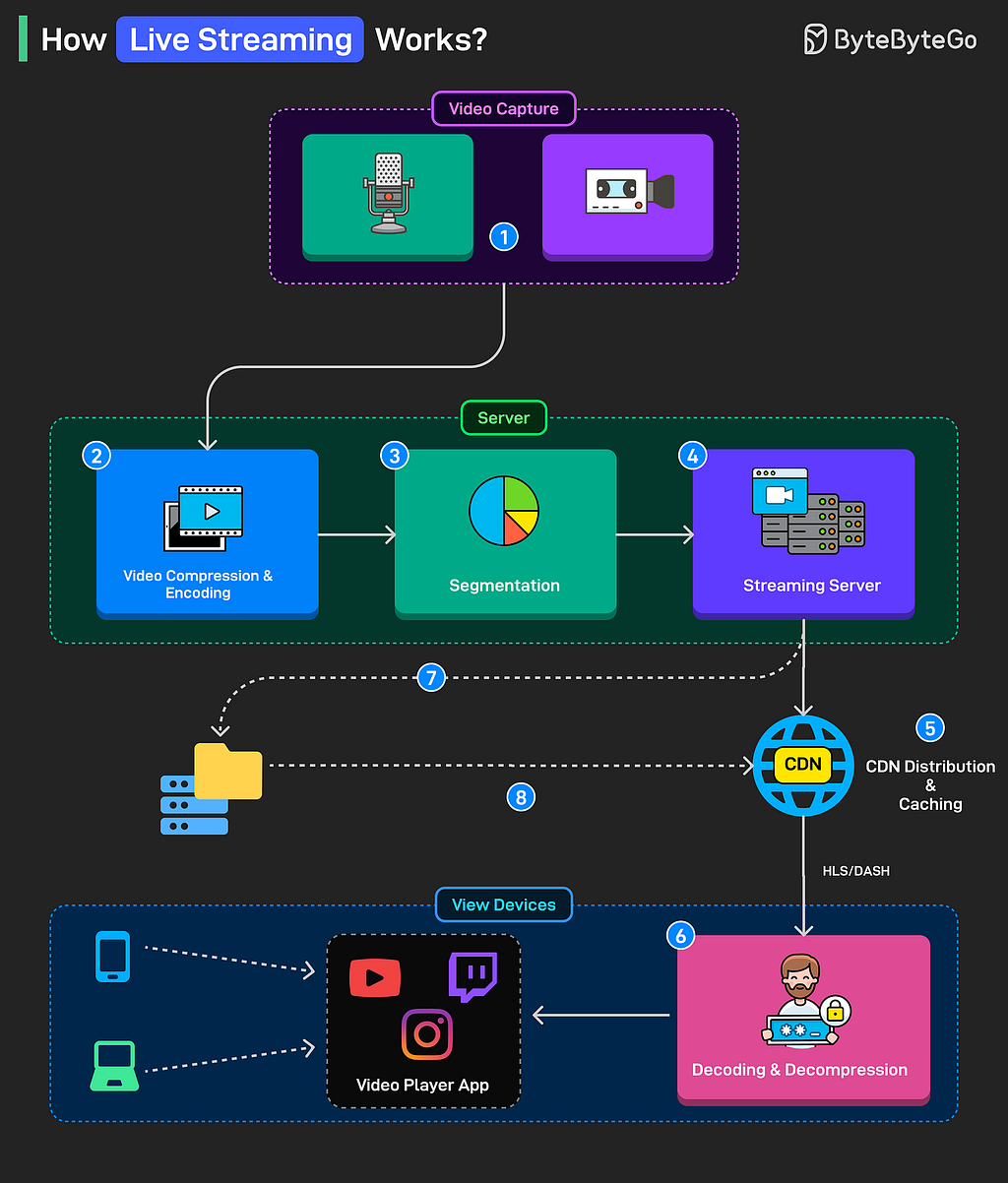
I first come across this awesome resource a couple of years ago when I saw a diagram from Alex Xu (founder of ByteByteGo and author of System Design Interview — An Insider’s Guide (Vol 1), one of the most popular books on System Design) on Twitter explaining how HTTPS works.
Since then I became fan of ByteByteGo because of how well they explain complex System Design and architecture concepts using visuals.
Over time, ByteByteGo became my primary resource for system design, coding interview patterns, object-oriented design, machine learning system design, and generative AI design.
In this article, I want to share why it worked so well for me — and why I believe it’s one of the best investments for interview prep in 2026.
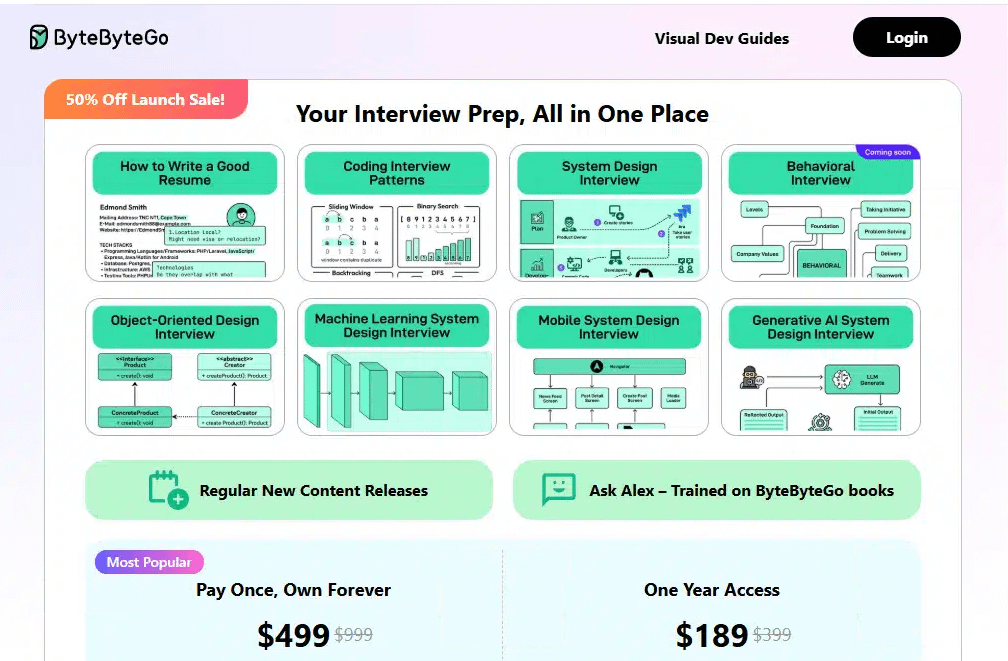
By the way, if you want to start New Year on right note, ByteByteGo is offering huge 50% discount on their lifetime plan. This is insane as they rarely offer discount, or, if you are still on the fence, now is the time to join.
Here is the link to get discount — 50% OFF on ByteByteGo Lifetime Plan
The Problem With Traditional System Design Prep
Most system design preparation falls into one of these traps:
- Long text-heavy explanations that are hard to visualize
- Static examples that don’t teach trade-offs
- Narrow focus on only backend systems
- No connection between coding interviews and system design
I read several great books, including Designing Data-Intensive Applications, which is excellent for depth, but not always interview-oriented:
What I needed was a visual, structured, interview-first approach. That’s where ByteByteGo stood out.
1. Visual Explanations That Actually Stick
ByteByteGo’s biggest strength is its visual learning approach.
Instead of walls of text, every concept is explained using:
- Clear diagrams
- Step-by-step flows
- Progressive refinement of architecture
This makes it much easier to:
- Explain designs verbally
- Handle follow-up questions
- Remember patterns under pressure
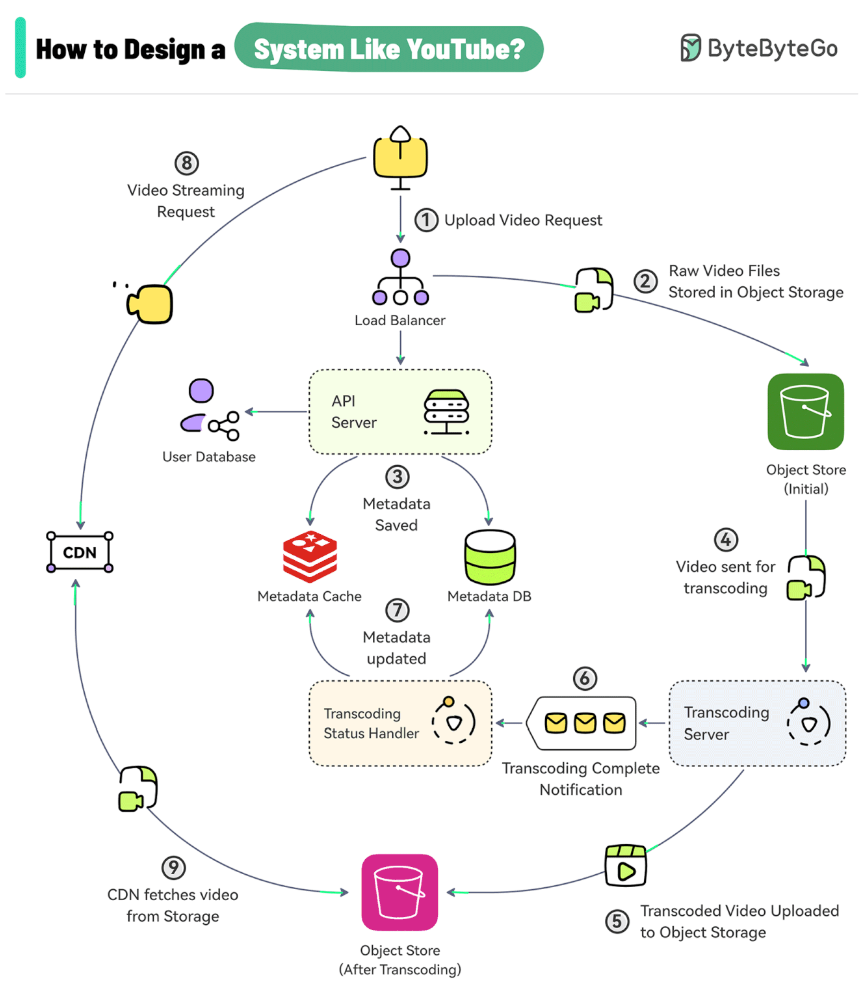
You can see this immediately in their free system design content, for example:
These visuals train you to think like an architect, not just memorize answers.
2. In-Depth Coverage of System Design and Architecture
ByteByteGo doesn’t stop at “high-level diagrams.”
It goes deep into:
- Scalability
- Data consistency
- Caching strategies
- Load balancing
- Trade-offs between different designs
Their content closely aligns with the well-known System Design Interview book series by Alex Xu, but in an interactive, visual format:
- System Design Interview — An Insider’s Guide (Vol 1)
- System Design Interview — An Insider’s Guide (Vol 2)
What I liked is that ByteByteGo doesn’t replace these books — it enhances them by turning theory into visual reasoning.
3. Coding Interview Patterns (Often Ignored, but Critical)
Another major advantage of ByteByteGo is that it connects system design with coding interviews.
Many platforms treat these as separate skills. In reality, interviewers expect you to:
- Write clean code
- Choose the right data structures
- Explain time/space trade-offs
ByteByteGo’s Coding Interview Patterns section organizes problems by patterns instead of random difficulty levels:
System Design · Coding · Behavioral · Machine Learning Interviews
System Design · Coding · Behavioral · Machine Learning Interviews
This pattern-based approach made me significantly faster at recognizing problems in interviews.
It pairs very well with:
Coding Interview Patterns: Nail Your Next Coding Interview
4. Object-Oriented Design (A Silent Interview Killer)
Object-Oriented Design interviews are often underestimated.
Designing a Parking Lot, Elevator, or Library System tests:
- Abstraction
- SOLID principles
- Class relationships
- Extensibility
ByteByteGo’s OOP design course explains these concepts visually and practically:
This aligns perfectly with:
Object Oriented Design Interview: An Insider’s Guide
5. Machine Learning System Design (Increasingly Important)
In 2026, many system design interviews include ML components, even for backend roles.
ByteByteGo has dedicated content for ML system design:
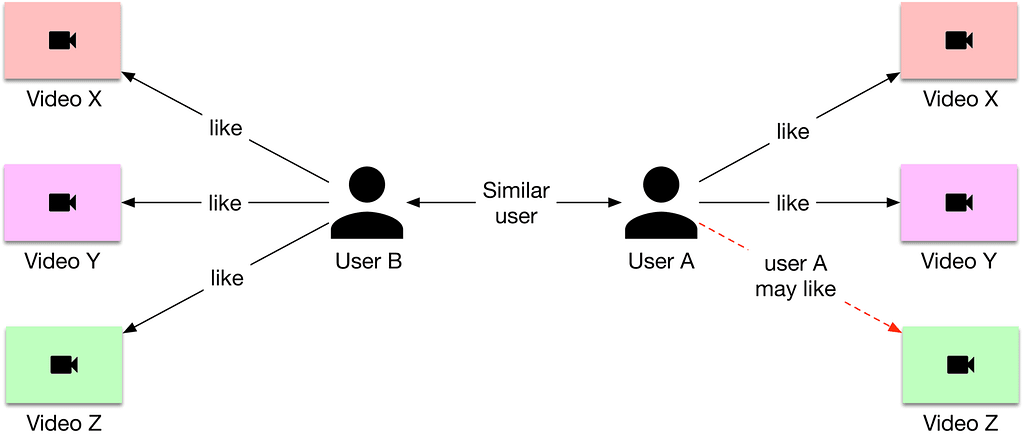
These complement the book:
Machine Learning System Design Interview
What I appreciated most is the focus on end-to-end ML systems, not just models.
6. Generative AI System Design (Future-Proofing Your Skills)
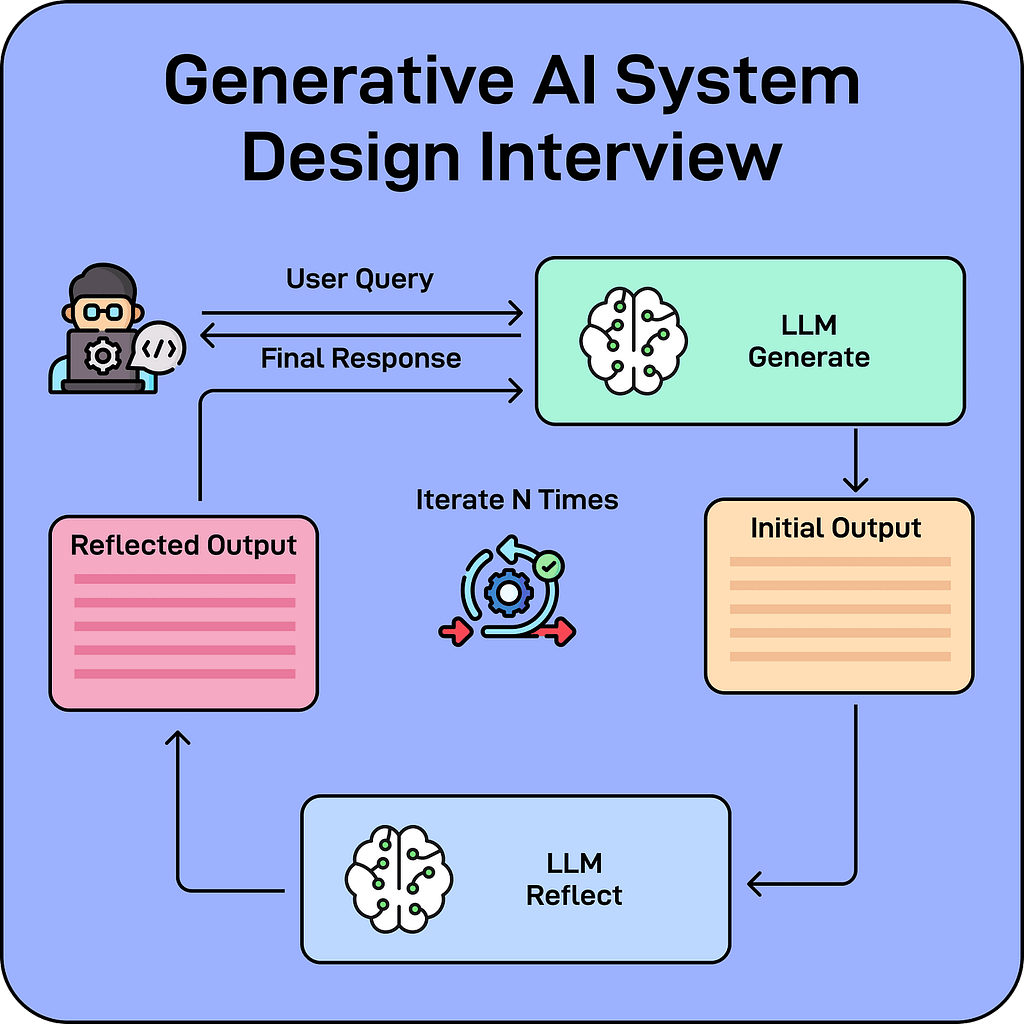
One major reason ByteByteGo stands out in 2026 is its Generative AI System Design content.
They cover:
- LLM-based architectures
- Prompt pipelines
- RAG systems
- Real-world GenAI trade-offs
You can explore it here:
This aligns with:
Generative AI System Design Interview
Very few platforms cover GenAI system design at this depth and ByteByteGo is probably one of the best on them, especially for interview point of view.
7. Why the ByteByteGo Lifetime Plan Is the Best Value?
Interview prep is not a one-time activity.
You revisit these concepts:
- Before job switches
- During promotions
- When mentoring others
That’s why I chose the ByteByteGo Lifetime Plan.
They’re currently offering up to 50% off on both annual and lifetime plans, which makes it even more compelling:
You can also use code JALJAD for an extra 10% discount.
Considering the coverage — system design, coding patterns, OOP, ML, and GenAI — the lifetime plan offers long-term value that’s hard to beat.
System Design · Coding · Behavioral · Machine Learning Interviews
Final Thoughts
ByteByteGo didn’t just help me prepare for system design interviews — it helped me think better.
The combination of:
- Visual explanations
- Pattern-based learning
- Broad but deep coverage
- Continuous updates
makes it one of the most complete interview prep platforms available today.
If you’re preparing for system design interviews in 2026 and want to move beyond memorization, ByteByteGo is absolutely worth considering — especially with the current discounts.
All the best for your interviews, and feel free to reach out if you want a recommended learning path using ByteByteGo.
Other System Design Tutorials and Resources you may like
- 16 Best Resources for System Design Interview Prep
- Is DesignGuru’s System Design Course worth it
- Why ByteByteGo Is the Best Platform for System Design Interview?
- ByteByteGo vs NeetCode vs Educative? which one is better?
- Is ByteByteGo a good place for Coding interviews?
- 3 Free Books and Courses for System Design Interviews
- Is System Design Interview RoadMap by DesignGuru worth it?
- Is Exponent’s System Design Course worth it?
- 10 Best Places to Learn System Design in 2026
- My Favorite Software Design Courses for 2026
- 10 Reasons to Learn System Design in 2026
- 6 Best System Design and API Design Interactive Courses
- Top 5 System Design YouTube Channels for Engineers
- 3 Places to Practice System Design Mock interviews
- Is Designing Data-intensive application book worth reading?
All the best for your System Design Interviews, if you have any doubts or questions, feel free to ask in the comments.
P. S. — If you just want to do one thing at this moment, go join ByteByteGo and start learning System Design and Coding Interview concepts, you will thank me later. It’s one of the most comprehensive resource for system design interview now covering OOP Design, ML Design, Gen AI Design and traditional System Design.
System Design · Coding · Behavioral · Machine Learning Interviews

How ByteByteGo Helped Me Master System Design for Coding Interviews? was originally published in Javarevisited on Medium, where people are continuing the conversation by highlighting and responding to this story.
This post first appeared on Read More