

10 AI and LLM Engineering Books Software Engineers Should Read in 2026 to Future-Proof Their Career
AI will not replace all SWE but those who fail to use AI
Disclaimer — This article contains affiliate links , I may get a small commission if you purchase any book with no additional cost to you. Thanks
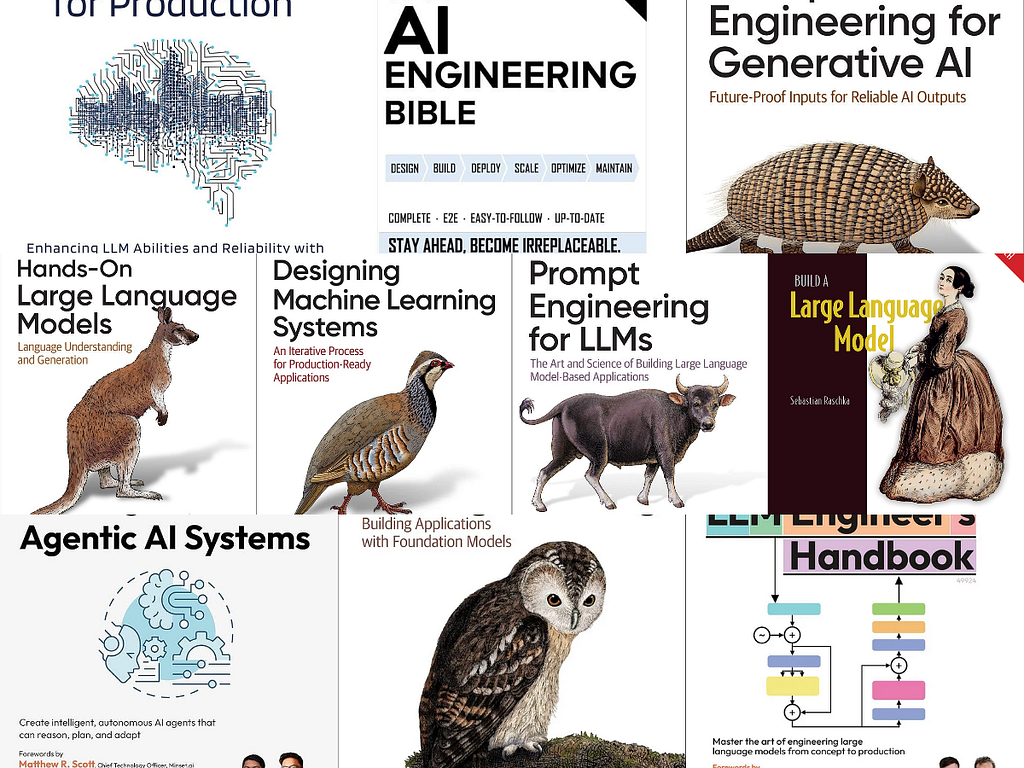
Hello friends, if you are on social media then you must be used to seeing posts like this, the one from the creator of Node.js Ryan Dahl, where he has openly said that “the era of humans writing code is over”.
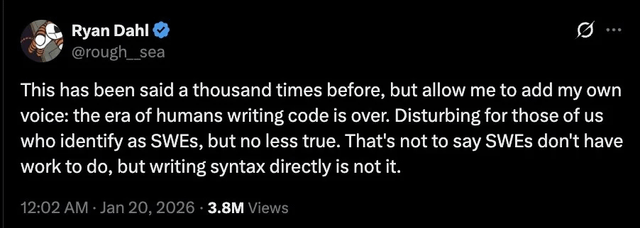
This was all over the internet last week, on reddit, on Facebook, on WhatsApp every where but this is not the only posts. The general sentiment is around that AI will replace developers sooner or later.
Every week there’s a new headline about AI replacing jobs, automating tasks, or writing code faster than humans. Naturally, many software engineers are starting to wonder:
“Is AI coming for my job next?”
But here’s the reality most people are missing — AI isn’t replacing software engineers. It’s replacing the way software engineers used to work.
Just like cloud didn’t eliminate system admins (it changed their role), and frameworks didn’t eliminate programmers (they made them more productive), AI is simply becoming a new layer in the developer toolkit.
The real shift isn’t humans vs AI.
It’s developers who use AI vs developers who don’t.
In this new era, the engineers who thrive will be the ones who:
- Use AI to prototype faster
- Use prompt engineering to explore ideas quickly
- Let AI handle repetitive tasks while they focus on architecture and problem-solving
This isn’t the end of software engineering. If anything, it’s the beginning of a supercharged version of it.
And one of the best ways to stay ahead? Start by learning from people who are already shaping this space, through the right books and courses like The Complete Prompt Engineering for AI Bootcamp, or Prompt Engineering Specialization on Coursera.
I am also going to share 10 books which has helped me to learn AI, LLM, Prompt Engineering , so stay tuned and keep reading.
10 Must Read AI and LLM Egnineering Books for Software Engineers and Developers in 2026
As I said, AI is no longer a “future trend” for software engineers — it’s becoming part of the job description.
The engineers who stay relevant in 2026 won’t just know frameworks and APIs. They’ll understand:
- How LLMs work under the hood
- How to build AI systems that don’t break in production
- How to design data, prompts, and evaluation loops
- How to combine software engineering with AI capabilities
If you want to move from AI user to AI engineer, these are some of the best books to get you there.
1. The LLM Engineering Handbook — Paul Iusztin & Maxime Labonne
This is one of the most practical guides to building real LLM-powered systems.
It focuses on:
- Retrieval-augmented generation (RAG)
- Evaluation and monitoring
- Fine-tuning strategies
- Production challenges
If you’re already using LLM APIs but want to understand how to build reliable, scalable LLM systems, this book is gold.
Here is the link to get this book — The LLM Engineering Handbook

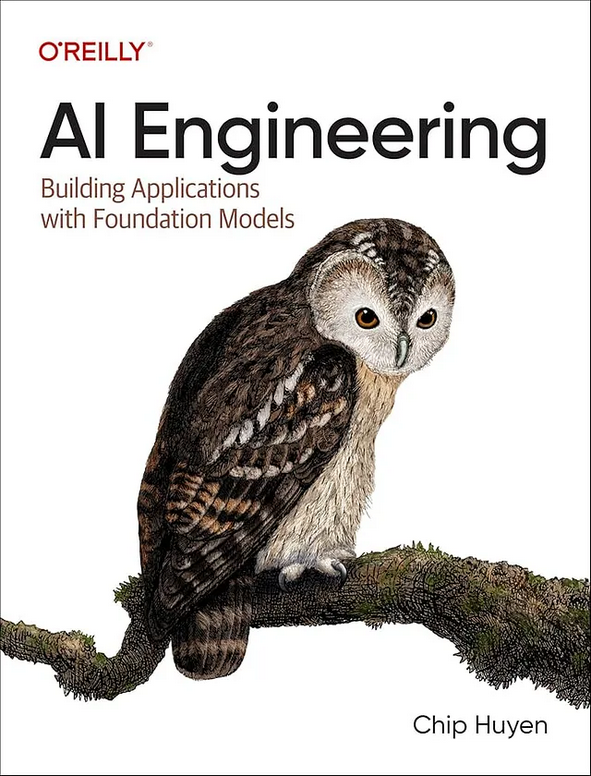
2. AI Engineering — Chip Huyen
Chip Huyen does a fantastic job bridging ML theory and real-world engineering.
This book explains:
- How AI systems are different from traditional software
- Why data quality matters more than model tweaks
- How to design AI systems for iteration and feedback
It’s less about hype, more about engineering discipline in AI.
Here is the link to get this book — AI Engineering by Chip Huyen
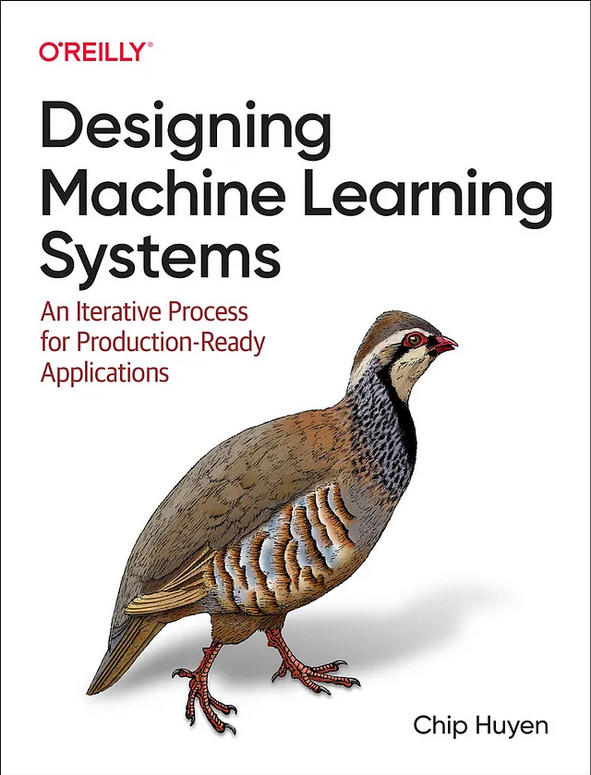
3. Designing Machine Learning Systems — Chip Huyen
This is a must-read for anyone building ML/AI in production.
You’ll learn:
- Data pipelines and training workflows
- Model deployment patterns
- Monitoring, drift, and retraining
- Trade-offs between speed, cost, and accuracy
Even if you’re not a data scientist, this book helps you think like an ML system designer, not just a coder.
Here is the link to get this book — Designing Machine Learning Systems
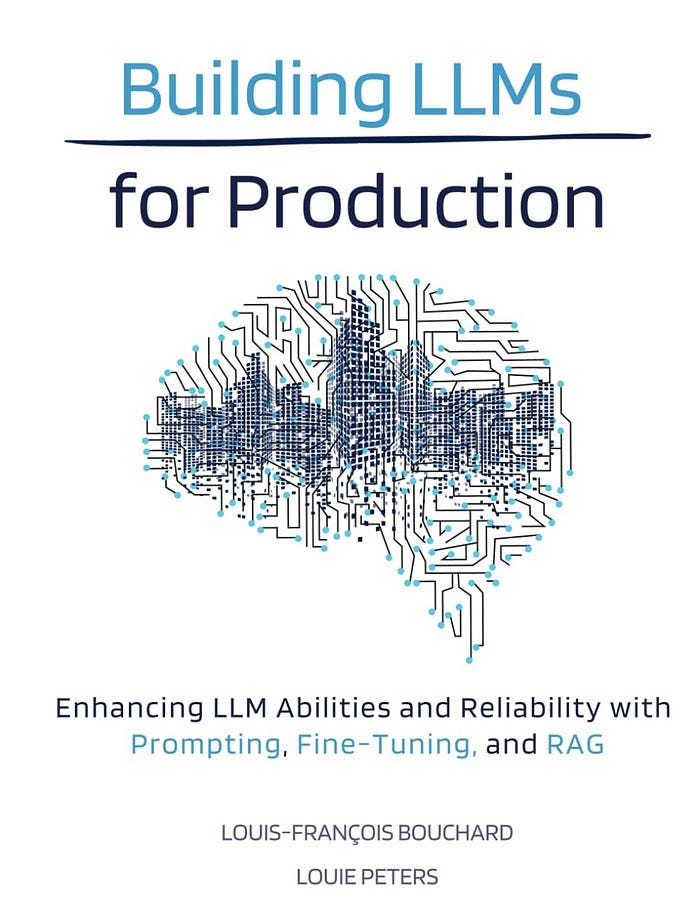
4. Building LLMs for Production — Louis-François Bouchard & Louie Peters
This one focuses specifically on taking LLM ideas and turning them into real products.
Key areas:
- Serving LLMs efficiently
- Managing latency and cost
- Integrating LLMs into applications
- Evaluating output quality
Great for engineers moving from prototypes to customer-facing AI features.
Here is the link to get this book — Building LLMs for Production
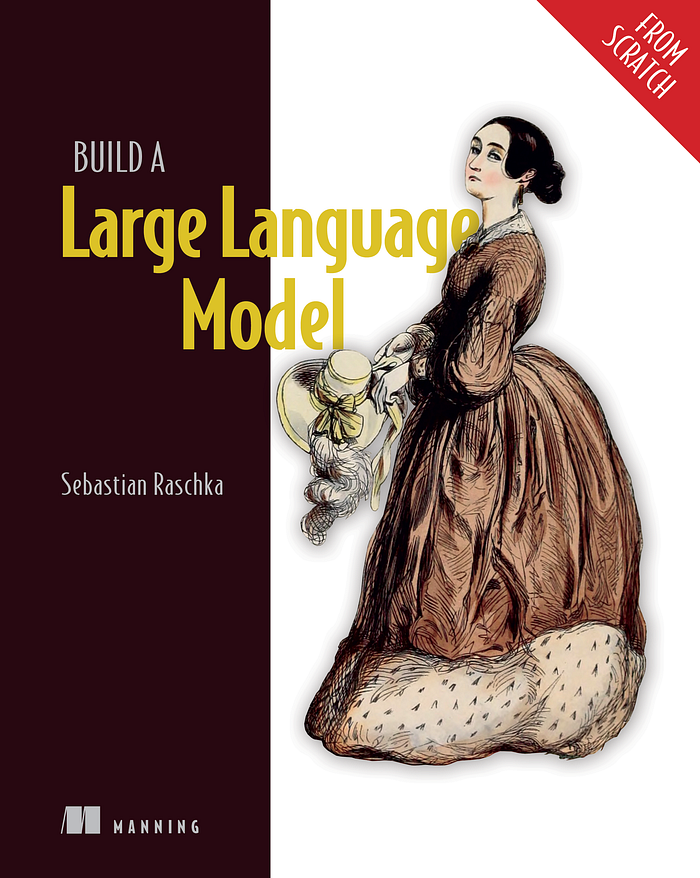
5. Build a Large Language Model (From Scratch) — Sebastian Raschka
If you’ve ever wondered what’s actually happening inside an LLM, this book goes deep.
You’ll explore:
- Transformers from the ground up
- Tokenization, embeddings, attention
- Training and fine-tuning basics
You don’t have to become a researcher, but understanding the internals makes you a much stronger AI engineer.
Here is the link to get this book — Build a Large Language Model (from Scratch)
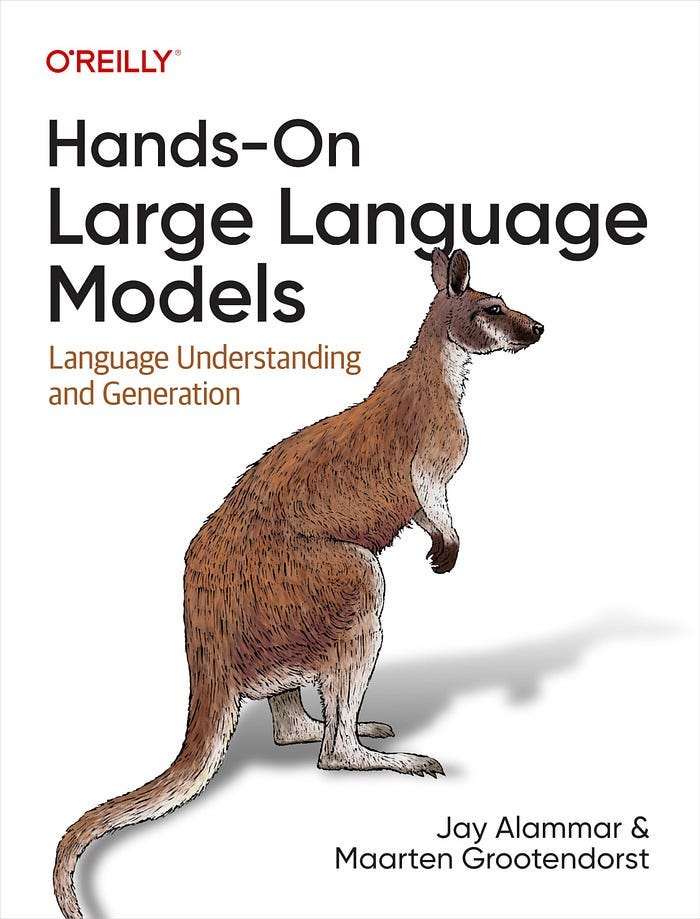
6. Hands-On Large Language Models: Language Understanding and Generation
This is a very practical, implementation-heavy book.
It walks through:
- Text classification and generation
- Fine-tuning transformer models
- Using Hugging Face and modern tooling
Perfect for developers who learn best by building and experimenting.
Here is the link to get this book — Hands-On Large Language Models: Language Understanding and Generation
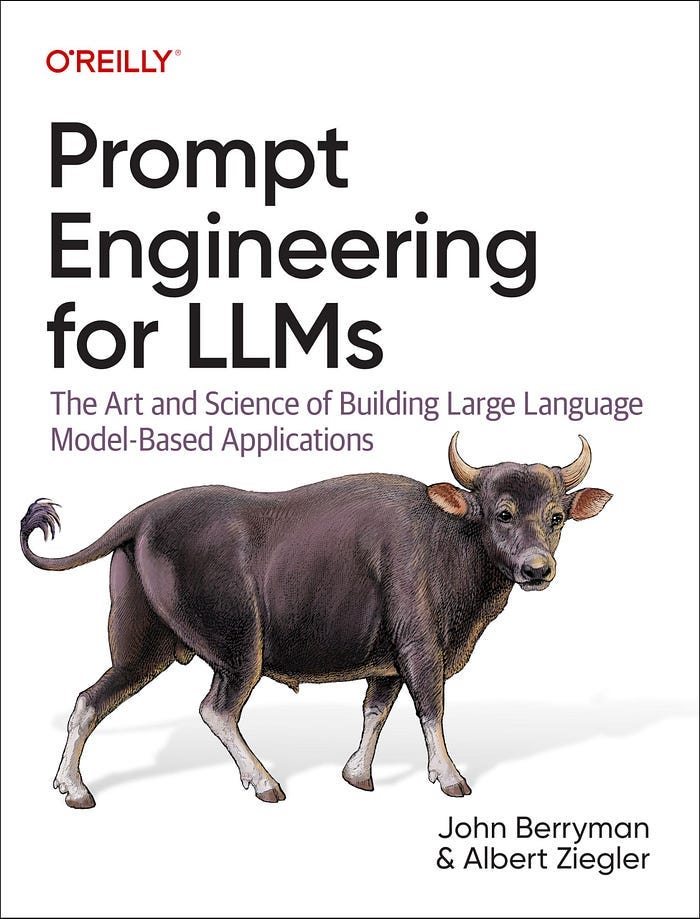
7. Prompt Engineering for LLMs
Prompting is quickly becoming a core engineering skill.
This book covers:
- Prompt design patterns
- Controlling LLM behavior
- Reducing hallucinations
- Building structured outputs
It helps you move from random trial-and-error to systematic prompt design.
Here is the link to get this book — Prompt Engineering for LLMs
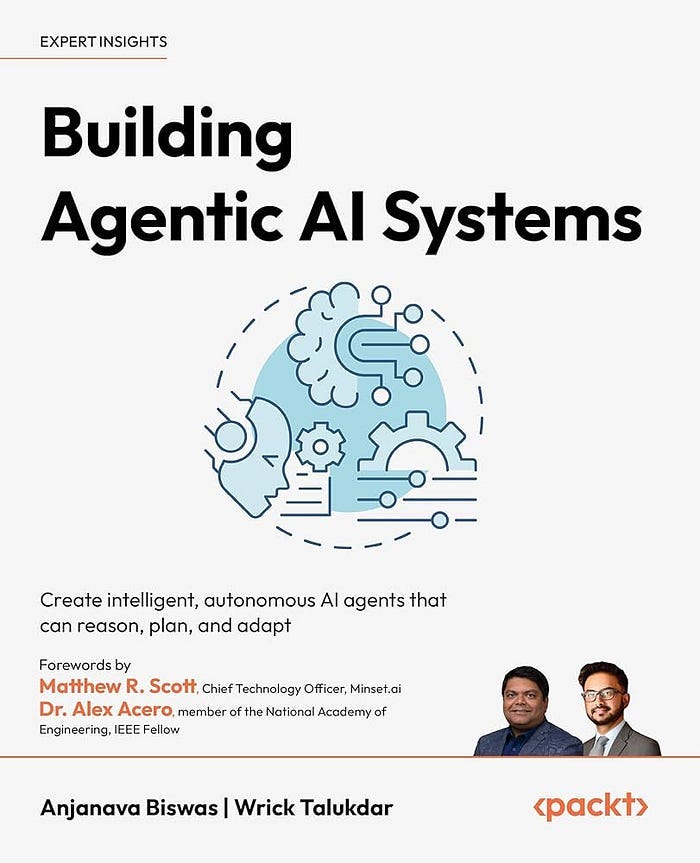
8. Building Agentic AI Systems
Agentic AI — where multiple AI components plan, reason, and act — is one of the fastest-growing areas.
You’ll learn about:
- AI agents and tool use
- Planning and memory
- Multi-step reasoning systems
If LLMs are the “brain,” agents are the next evolution toward autonomous systems.
Here is the link to get this AI Agent book — Building Agentic AI Systems
9. Prompt Engineering for Generative AI
This book takes prompt engineering beyond chatbots and into:
- Image, text, and multimodal models
- Structured workflows
- Prompt chaining and orchestration
Great for understanding how prompts fit into larger AI pipelines.
Here is the link to get this book — Prompt Engineering for Generative AI

10. The AI Engineering Bible
As the name suggests, this one tries to cover the full landscape:
- Models
- Infrastructure
- LLM applications
- Deployment and scaling
It’s useful as a big-picture reference when you want to connect all the moving parts of AI engineering.
Here is the link to get the book — The AI Engineering Bible

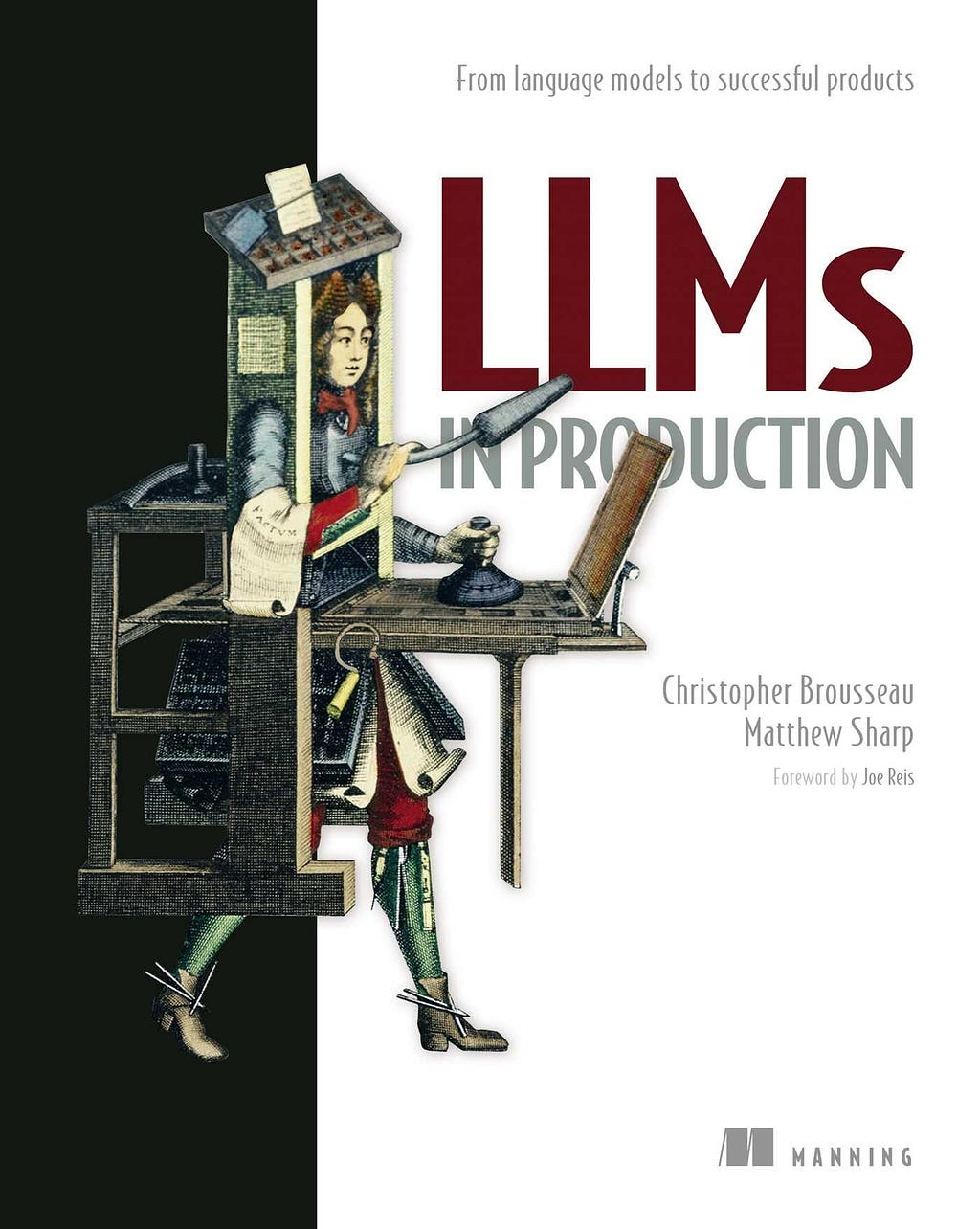
Bonus: LLMs in Production
If your goal is to ship AI features that real users depend on, this book is extremely valuable.
It focuses on:
- Reliability and observability
- Cost control
- Security and safety
- Production architecture for LLM apps
This is where AI stops being a demo and starts becoming software engineering again.
Final Thoughts
That’s all about the 10 books Software developers and engineers can read in 2026 to future proof their career. AI isn’t replacing software engineers, but it is replacing workflows that don’t use AI.
The future belongs to engineers who can:
- Understand how AI systems behave
- Design around their limitations
- Integrate LLMs into real applications
- Ship AI features that are scalable and reliable
These books won’t just teach you how models work — they’ll help you become the kind of engineer who can build the next generation of AI-powered systems.
If you’re serious about mastering AI and Prompt engineering in 2026 and beyond, start with these must-read AI and LLM Engineering books.
They’ll save you hundreds of hours of wasted time and help you build systems that work.
If you want more fun and faster progress, then you can also pair these books with hands-on projects like The Complete Prompt Engineering for AI Bootcamp, or this Prompt Engineering Specialization on Coursera

10 AI and LLM Engineering Books Software Engineers Should Read in 2026 to Future-Proof Their Career was originally published in Javarevisited on Medium, where people are continuing the conversation by highlighting and responding to this story.
This post first appeared on Read More