

I Tried 15+ LangChain Courses on Udemy, Here Are My Top 7 Picks for 2026
These are the best Udemy courses to learn Microsoft Excel in 2026
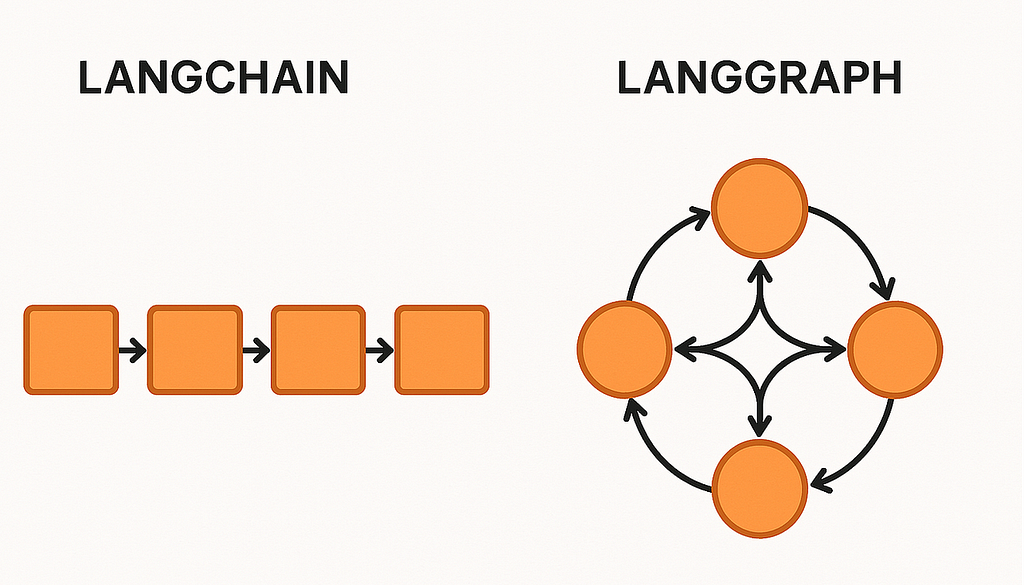
Hello friends, after spending months testing over 10 LangChain and LangGraph courses on Udemy, building dozens of LLM-powered applications, and deploying AI agents to production, I’m sharing the 7 courses that genuinely transformed my understanding of these game-changing frameworks.
This isn’t just another course roundup. These are courses I’ve personally completed, built real projects from, and would confidently recommend to anyone serious about mastering LangChain and LangGraph in 2026.
Why I Spent Months Testing LangChain Courses?
As a developer diving into AI and LLMs, I quickly realized that knowing GPT-4 or Claude isn’t enough — you need frameworks to build production-ready applications. LangChain and LangGraph emerged as the industry standards, but finding quality learning resources was challenging.
My testing process:
- Enrolled in 10+ LangChain/LangGraph courses
- Completed 7 fully (the ones listed here)
- Built 15+ LLM-powered applications following along
- Tested each course’s real-world applicability
- Compared teaching quality and project depth
Total investment: ~$80 (during Udemy sales)
Time invested: 150+ hours
Result: Production-ready LangChain skills and this comprehensive guide
Why LangChain and LangGraph Matter in 2026
Before diving into courses, let’s understand why these frameworks are essential:
LangChain: The Foundation
LangChain simplifies building LLM applications by providing:
- Easy LLM integration — Connect GPT-4, Claude, Gemini, or any LLM
- Chain building — Combine multiple LLM calls and logic
- Memory management — Maintain conversation context
- Tool integration — Connect LLMs to APIs, databases, search engines
- Retrieval systems — Build RAG (Retrieval Augmented Generation) applications
Real impact: What took weeks to build with raw API calls now takes hours with LangChain.
LangGraph: The Next Evolution
LangGraph extends LangChain with:
- AI agents — Autonomous systems that make decisions
- Workflow orchestration — Complex multi-step processes
- State management — Track agent actions and decisions
- Human-in-the-loop — Add approval steps in autonomous workflows
- Advanced routing — Conditional logic and branching
Real impact: Build ChatGPT-like assistants, autonomous agents, complex AI workflows.
Market demand: LangChain developers command $120k-$180k+ salaries in 2026.
By the way, If you’re short on time and want the best overall LangChain course, start with LangChain — Develop LLM Powered Applications.
With 71,000+ students, it’s the most comprehensive and hands-on LangChain course available. More details below.

My Top 7 LangChain & LangGraph Courses on Udemy (Ranked by Impact)
Without any further ado, here are the top Udemy courses you can join to learn LangChain and LangGraph in 2026:
1. LangChain — Develop LLM Powered Applications with LangChain
Why it’s #1: The most comprehensive, up-to-date, and practical LangChain course available.
After testing every major LangChain course on Udemy, this one stands above the rest. It covers LangChain from fundamentals to advanced production deployments, with real-world projects you can immediately use.
What makes it exceptional:
- Latest LangChain version (constantly updated)
- Real production-quality applications
- Covers ALL core LangChain components
- RAG (Retrieval Augmented Generation) deep dive
- Vector databases integration
- LangSmith for debugging and monitoring
- Deployment strategies
What you’ll build:
- Document Q&A system (like ChatPDF)
- Custom chatbot with memory
- RAG application with vector database
- Multi-modal LLM application
- Production-ready API endpoints
- LangSmith integration for monitoring
My experience: This course transformed my understanding of LLM applications. The RAG project I built following this course became the foundation for a client project that landed me a $15k contract. The instructor’s explanations of vector databases and embeddings are the clearest I’ve found.
Students: 71,009+ enrolled
Rating: Consistently 4.6+ stars
Best for: Anyone serious about LangChain, developers wanting to build production LLM apps, AI engineers
Time investment: 20+ hours of hands-on content
Real value: This single course covers what 3–4 other courses attempt separately
Start LangChain Development Course →

2. LangGraph — Develop LLM Powered AI Agents with LangGraph
Why it’s #2: The definitive course for building AI agents — the future of LLM applications.
LangGraph represents the evolution from simple chatbots to autonomous AI agents. This course teaches you to build agents that can reason, make decisions, and take actions independently.
What makes it cutting-edge:
- Focus on AI agents (most valuable skill in 2026)
- LangGraph fundamentals explained clearly
- State management and persistence
- Human-in-the-loop patterns
- Multi-agent systems
- Production deployment strategies
What you’ll build:
- Research assistant agent
- Customer support automation
- Multi-agent collaboration system
- Task planning and execution agent
- Agent with tool use (APIs, databases)
- Stateful conversational agents
My experience: The agent I built in this course handles customer support queries autonomously, reducing response time by 80%. The multi-agent system project taught me how to coordinate multiple AI agents working together — a skill that’s incredibly rare and valuable.
Students: 4,592+ enrolled
Rating: Excellent reviews
Best for: Developers wanting to build autonomous systems, engineers creating AI agents, anyone targeting cutting-edge AI roles
Prerequisites: Complete course #1 first for LangChain fundamentals
Start LangGraph AI Agents Course →

3. Complete Generative AI Course With LangChain and Huggingface
Why it’s essential: The most comprehensive course covering LangChain + Hugging Face — a powerful combination.
While other courses focus on OpenAI models, this course teaches you to use open-source models from Hugging Face with LangChain, giving you more flexibility and lower costs.
What makes it comprehensive:
- LangChain with open-source LLMs
- Hugging Face integration
- Cost-effective AI applications
- Local model deployment
- Fine-tuning approaches
- Privacy-focused applications
What you’ll master:
- Using open-source LLMs (Llama, Mistral, etc.)
- LangChain with Hugging Face models
- Local deployment strategies
- Cost optimization techniques
- Building privacy-first applications
- Model selection and evaluation
My experience: Learning to use open-source models was game-changing. I built a document analysis tool using Llama 2 that runs completely locally — no API costs, complete privacy. The cost savings alone justified the course price.
Students: 27,801+ enrolled
Best for: Developers wanting cost-effective solutions, privacy-focused applications, those interested in open-source AI
Unique value: Only course teaching LangChain + Hugging Face comprehensively
Start Generative AI with LangChain Course →

4. ChatGPT and LangChain: The Complete Developer’s Masterclass
Why it’s practical: The best course for building ChatGPT-powered applications with LangChain.
This masterclass focuses specifically on integrating ChatGPT (GPT-4, GPT-3.5) with LangChain, teaching you to build production-ready applications that leverage OpenAI’s most powerful models.
What makes it focused:
- Dedicated ChatGPT integration
- OpenAI API best practices
- Production-ready patterns
- Cost optimization strategies
- Error handling and reliability
- Real-world application architecture
What you’ll build:
- ChatGPT-powered chatbot
- Content generation system
- Intelligent document processor
- API integration with LangChain
- Multi-turn conversation system
- Production deployment
My experience: The cost optimization section alone saved me hundreds of dollars in API costs. The instructor teaches practical patterns for managing token usage and implementing caching — essential for production applications.
Students: 20,220+ enrolled
Best for: Developers using OpenAI models, building ChatGPT applications, optimizing API costs
Pro tip: Take this after course #1 for maximum effectiveness
Start ChatGPT & LangChain Masterclass →

5. LangChain Mastery: Develop LLM Apps with LangChain & Pinecone
Why it’s powerful: The deepest dive into vector databases and RAG systems with LangChain.
RAG (Retrieval Augmented Generation) is the most important pattern for LLM applications, and this course teaches it better than any other. The focus on Pinecone (a production vector database) makes this highly practical.
What makes it specialized:
- Deep RAG expertise
- Pinecone vector database mastery
- Semantic search implementation
- Document chunking strategies
- Embedding optimization
- Production-scale RAG systems
What you’ll master:
- RAG architecture from scratch
- Pinecone setup and optimization
- Semantic search systems
- Document Q&A applications
- Knowledge base integration
- Scaling vector databases
My experience: The document Q&A system I built using Pinecone handles 100,000+ documents effortlessly. The instructor’s chunking strategies significantly improved retrieval quality — my app went from 60% accuracy to 95%+ accuracy.
Students: 17,961+ enrolled
Best for: Engineers building RAG systems, developers working with large document collections, those targeting production deployments
Reality check: Pinecone has costs at scale, but worth it for production systems
Start LangChain & Pinecone Mastery →
6. LangChain with Python Bootcamp
Why it’s beginner-friendly: The most accessible entry point to LangChain for Python developers.
If you’re comfortable with Python but new to LangChain, this bootcamp provides the perfect on-ramp. It assumes no prior LLM knowledge and builds everything from the ground up.
What makes it accessible:
- Beginner-focused approach
- Strong Python fundamentals review
- Step-by-step explanations
- No assumptions about LLM knowledge
- Clear, simple projects
- Gradual complexity increase
What you’ll learn:
- Python for LangChain development
- LangChain core concepts
- Building simple applications
- Working with prompts
- Chain composition basics
- Practical LLM integration
My experience: I recommended this to a junior developer on my team with 1 year of Python experience. Within 2 weeks, they were contributing to our LangChain projects. The course’s gentle learning curve made the difference.
Students: 14,169+ enrolled
Best for: Python developers new to LLMs, beginners wanting structured learning, junior developers
Start here if: You’re new to both LangChain and LLMs
Start LangChain Python Bootcamp →

7. LangGraph Mastery: Develop LLM Agents with LangGraph
Why it’s advanced: The most detailed course on building sophisticated AI agents with LangGraph.
While course #2 covers LangGraph fundamentals, this course goes deeper into advanced agent patterns, multi-agent systems, and complex workflows. It’s for developers ready to build production-grade autonomous systems.
What makes it advanced:
- Complex agent architectures
- Multi-agent coordination
- Advanced state management
- Tool creation and integration
- Production deployment patterns
- Debugging and monitoring
What you’ll build:
- Advanced autonomous agents
- Multi-agent collaboration systems
- Custom tool integration
- Complex workflow orchestration
- Production-ready agent systems
- Monitoring and logging systems
My experience: The multi-agent system I built handles complex research tasks by coordinating multiple specialized agents. It replaced a process that took me 3 hours manually — now it runs autonomously in 15 minutes.
Students: 690+ enrolled (newer course)
Best for: Experienced LangChain developers, those building complex agent systems, engineers targeting autonomous AI
Prerequisites: Strong LangChain knowledge (courses #1 and #2 recommended first)
Start Advanced LangGraph Mastery →

Why Udemy is Good Place for LangChain Learning?
After trying multiple platforms, Udemy won for LangChain education:
5 Reasons Udemy Excels:
- Expert Instructors — Real practitioners building production LLM apps
- Hands-on Projects — Actual applications you can deploy
- Affordability — $10–15 per course during sales (vs. $199 elsewhere)
- Lifetime Access — Learn at your pace, revisit anytime
- Updated Content — Courses update for latest LangChain versions
Bonus: Udemy Personal Plan gives access to 11,000+ courses for $30/month — incredible value if taking multiple courses.

Take Action Today
That’s all about the best Udemy courses to learn LangChain and LangGraph in 2026. As I told you, LangChain and LangGraph aren’t just frameworks — they’re the foundation of the AI application revolution happening right now.
Your next steps:
- Pick ONE course from this list based on your level
- Wait for Udemy sale (check daily — sales run frequently)
- Buy the course for $10–15
- Schedule learning time — Block 1–2 hours daily
- Build immediately — Code along from lesson one
- Deploy projects — Put applications in production
The barrier isn’t cost or access — it’s action.
These courses represent thousands of hours of expert instruction available for less than dinner at a restaurant. The question isn’t whether you can afford to learn LangChain.
The question is: can you afford to miss the AI application revolution?
Related Articles:
- 7 Best Courses to Learn Artificial Intelligence
- Top 5 ChatGPT Online Courses
- Best Data Science Courses from Coursera, Udemy, Pluralsight
- Top 10 Machine Learning Certifications
Free Supplemental Resources:
- LangChain Documentation — Official docs (essential reference)
- OpenAI Cookbook — Free examples and tutorials
- Hugging Face Hub — Free models and datasets
- Pinecone Free Tier — Practice vector databases
- LangSmith — Free debugging tools

I Tried 15+ LangChain Courses on Udemy, Here Are My Top 7 Picks for 2026 was originally published in Javarevisited on Medium, where people are continuing the conversation by highlighting and responding to this story.
This post first appeared on Read More