

How to Actually Get Good at Data Structures and Algorithms (Without Feeling Lost)
Getting good at DSA isn’t about memorizing solutions, It’s about building pattern recognition, problem-solving habits, and understanding why certain approaches work.

Hello friends, A few days ago, I have shared How to actually get Good at System Design and you guys loved it so I am sharing the part 2 of that article where we will talk about DSA, another important thing you need to know for cracking those FAANG/MAANG interviews.
Data Structures and Algorithms (DSA) is one of those skills that feels overwhelming at first. Arrays, trees, graphs, recursion, dynamic programming — the list never seems to end.
Most learners either get stuck watching endless tutorials or jump straight into hard problems and burn out.
The problem isn’t your ability.
The problem is lack of a clear roadmap.
Getting good at DSA isn’t about memorizing solutions. It’s about building pattern recognition, problem-solving habits, and understanding why certain approaches work.
Here’s a practical, step-by-step way to improve — without feeling lost.
Step 1: Learn the Core Patterns (Not Just Topics)
Instead of thinking “today I’ll study trees,” think:
- What patterns do trees help solve?
- When do we use BFS vs DFS?
- How do traversal patterns connect to graph problems?
- When to use Array over Linked List?
- When to use Two pointer vs Sliding window pattern?
- When to use max or min heap?
And when it comes to resources, platforms like AlgoMonster are great for this because they organize problems by patterns rather than random difficulty. That structure helps your brain recognize similarities between questions — which is exactly what interviews test.
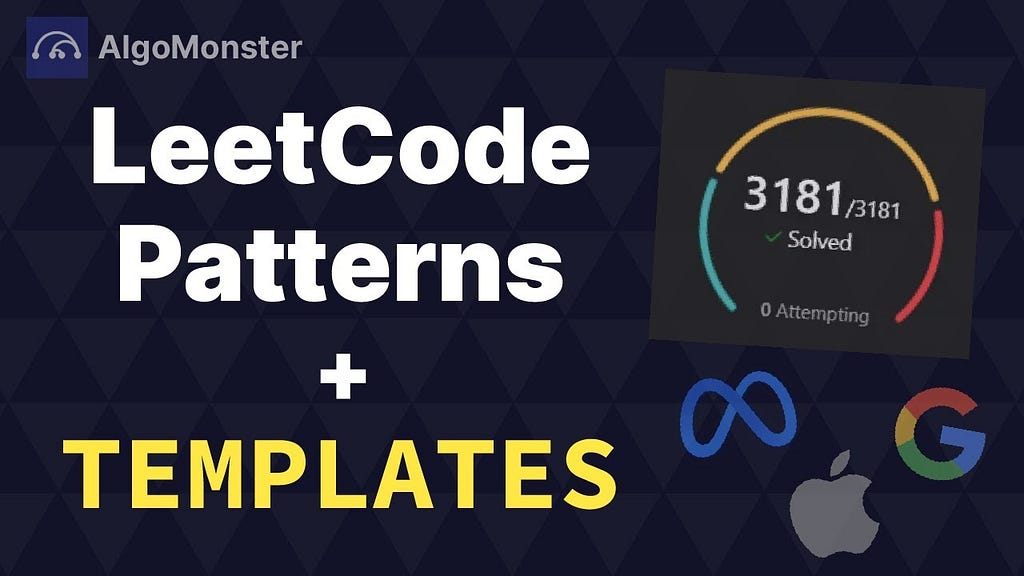
Although, If you prefer guided learning paths with structured explanations, DesignGurus also provides step-by-step coverage of common DSA patterns used in coding interviews.
Their, Grokking the Coding Interview: Patterns for Coding Questions and Grokking Dynamic Programming Patterns for Coding Interviews are two of the most popular resources online.
- Grokking the Coding Interview: Patterns for Coding Questions | #1 Interview Prep Course
- Grokking Dynamic Programming Patterns for Coding Interviews
Step 2: Build Strong Fundamentals (Without Overdoing Theory)
You don’t need a full CS degree worth of theory to get good at DSA. But you do need to understand:
- Time and space complexity
- Recursion basics
- Hashing
- Stack vs queue use cases
- Sorting and searching trade-offs
Interactive platforms like Educative are helpful here because they explain concepts clearly and let you apply them right away instead of passively watching videos.
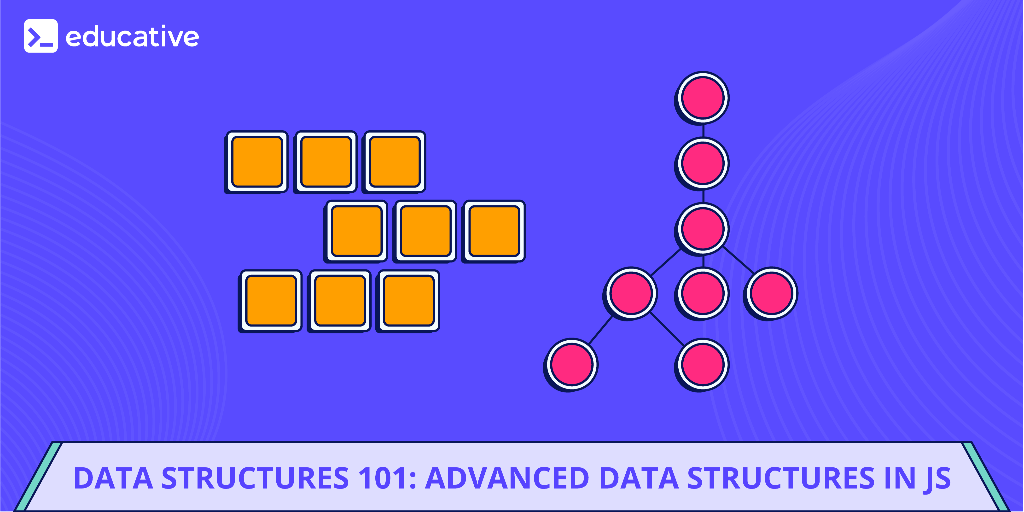
For learners who like traditional video courses, a well-structured course on Udemy can also help reinforce these fundamentals with guided problem walkthroughs.
I Tried 30+ Data Structures and Algorithms Courses: Here are My Top 5 Recommendations for 2026
Step 3: Practice With Intent (Not Random Grinding)
Many people open a coding platform and just solve whatever appears next. That’s like going to the gym and randomly picking machines.
A better approach:
- Pick a pattern (e.g., sliding window)
- Solve 4–5 problems using that pattern
- Reflect on what signals tell you this pattern applies
This kind of deliberate practice is where tools like ByteByteGo and Codemia shine. It provides structured learning paths that guide you through increasing levels of difficulty rather than leaving you guessing.
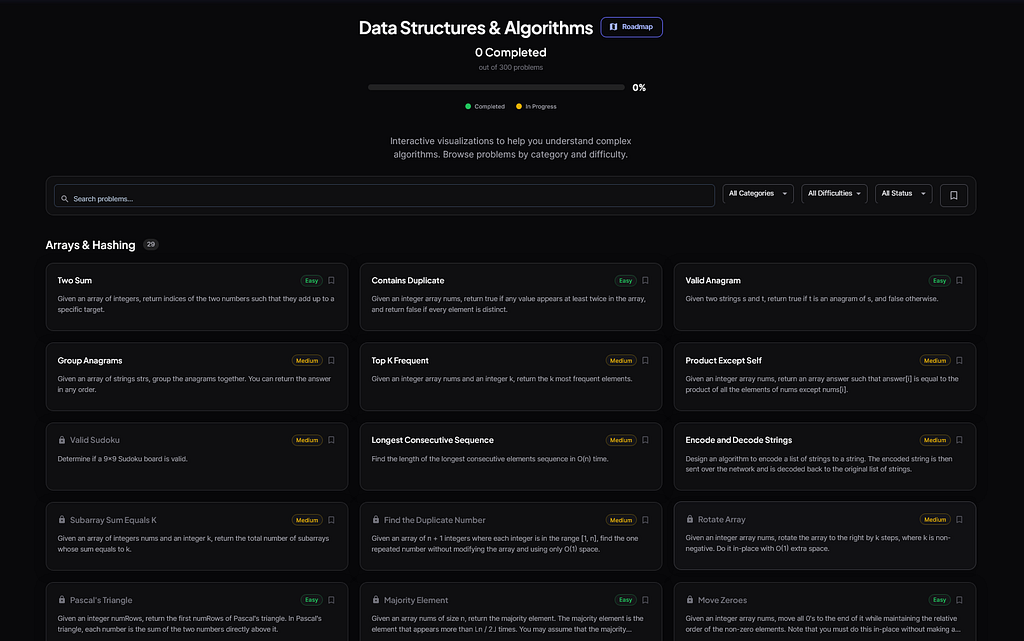
They also have a curated list of 120+ data structure problems from different companies for practice.
System Design · Coding · Behavioral · Machine Learning Interviews
Step 4: Learn to Think Out Loud (Interview Skill)
DSA success isn’t just about solving problems — it’s about explaining your thinking clearly.
You need to practice:
- Clarifying assumptions
- Discussing trade-offs
- Explaining brute-force → optimized approach
- Handling edge cases
Platforms such as Exponent help simulate real interview-style problem solving, so you get used to articulating your thought process instead of silently coding.
Their mock interview is seriously good for practicing DSA and checking your prep level, you can also do upto 5 mock interviews with peers for free.
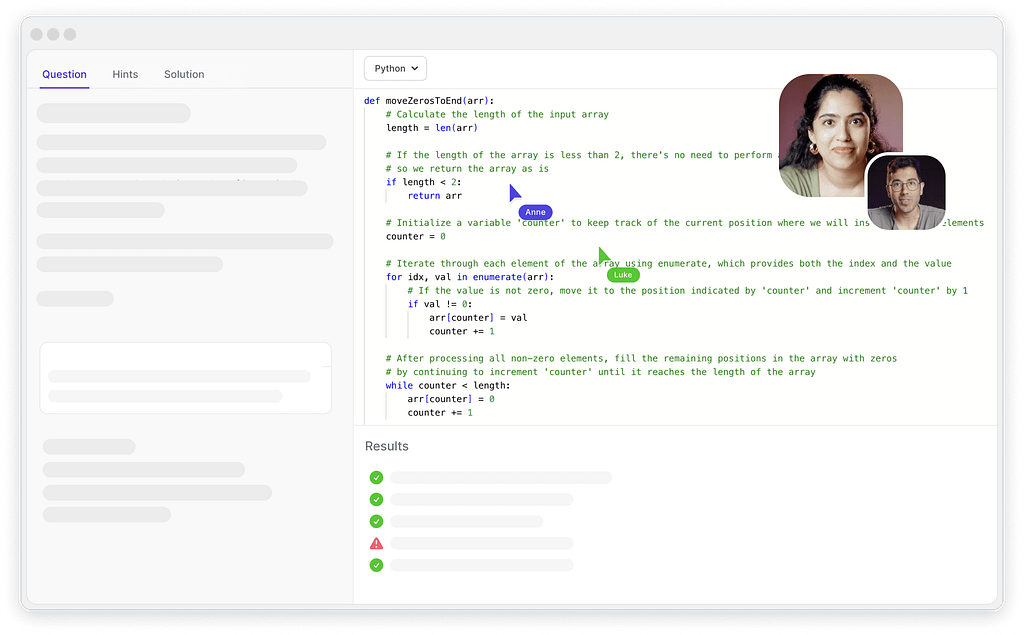
You can also explore interview-style scenarios and debugging practice on BugFree.ai to strengthen your problem-solving confidence.
Master System Design & Behavioral Interviews Like Leetcode
Step 5: Connect DSA to Real Systems
DSA becomes much easier when you see how it applies to real-world systems:
- Caches use hash maps
- Task scheduling uses heaps
- Social graphs use graph traversal
- Rate limiting uses queues and sliding windows
Resources like ByteByteGo are excellent for connecting algorithms to large-scale system design. This helps you move from “academic problems” to “engineering thinking.”
Here is a nice cheat sheet from ByteByteGo to connect DSA with our daily life real systems:
The Real Secret to Getting Good at DSA
There’s no shortcut, but there is a smarter path.
You improve fastest when you:
- Learn patterns, not just problems
- Practice in structured batches
- Reflect after solving
- Explain your reasoning out loud
- Connect algorithms to real applications
Use platforms like ByteByteGo, Codemia, DesignGuru, Exponent, System Design School, Educative, and BugFree.ai as learning partners — not just problem banks.
Over time, you’ll notice a shift:
You’ll stop asking “Have I seen this problem before?”
and start thinking “Which pattern fits here?”
That’s when DSA starts to feel less like memorization… and more like problem solving.
All the best with your DSA learning !!

How to Actually Get Good at Data Structures and Algorithms (Without Feeling Lost) was originally published in Javarevisited on Medium, where people are continuing the conversation by highlighting and responding to this story.
This post first appeared on Read More