

Are we performing ourselves into exhaustion?
On self-surveillance, professional performance, and the cost of forgetting that we built the cage.
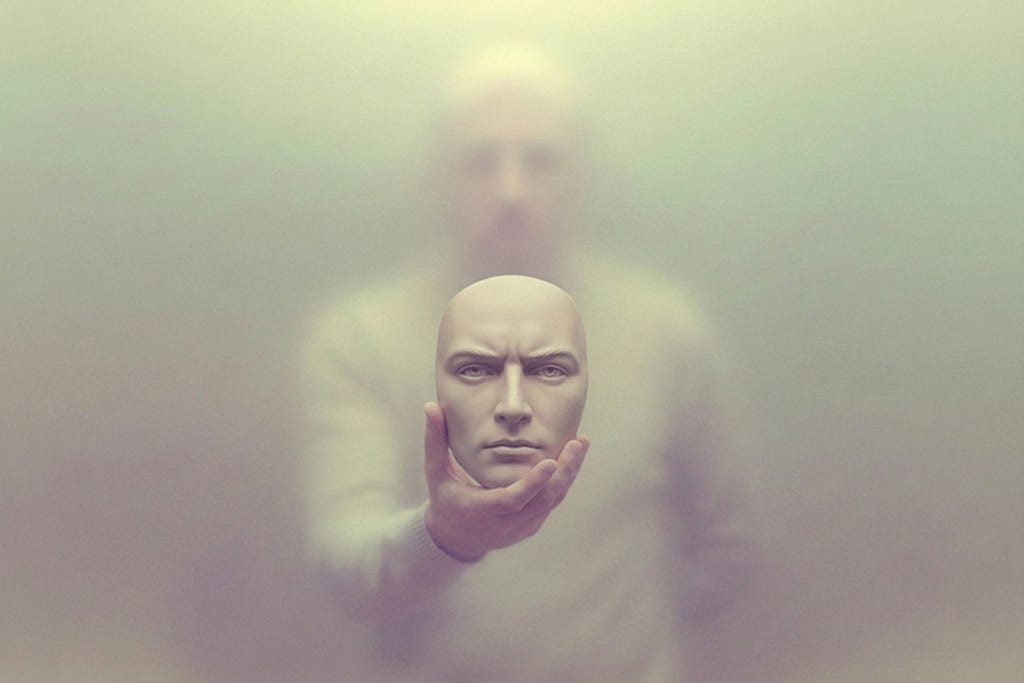
As designers, we live this performance twice over: as users who perform constantly, and as the creators of the systems that encourage that performance. This article is about the first, but it inevitably speaks to the second.
I spent forty minutes choosing a profile picture. Forty minutes taking selfies, testing angles, adjusting light, cropping, thinking about how I wanted to be seen. My professional dignity is somehow correlated to how well I can camouflage my aging. For people I’ve never met. Who may never see it.
While testing angles, I thought: When did this become normal? Then I did something even worse. Or more practical. Or both — I can’t tell the difference anymore.
I used an AI tool to “enhance” the photo. Adjust the lighting. Add a studio background. Give it that more “professional” look.
I literally asked an algorithm to tell me what my face should look like.
And the most depressing part wasn’t doing it. It was that it worked. The photo was “better.” More presentable. More performative.
I learned this from an influencer with millions of followers. He shows it with data: posts featuring his face generate 40% more engagement. More likes, more comments, more shares. Translation: more visibility, more clients, more revenue. Except you don’t have time to produce 30 different photos a week. So he uses AI to generate headshots of himself in any context. Very practical.
If you don’t do it, you’re losing reach. If you’re not doing it now, your competitors already are.
The logic is impeccable.
And I tested it. Because the data was clear. And anyone who seriously studies metrics has been doing this for months.
We went from practical to practical. And we distorted ourselves along the way.
The promise that worked
To be fair: personal branding was born as a promise of freedom.
Before, you depended on gatekeepers. Editors deciding whether your writing deserved to exist. HR deciding whether your résumé was “adequate.” Agencies deciding whether you were “relevant enough.” Your competence only mattered if someone with power gave you permission to show it.
The internet changed that.
Designers sharing their process on Behance and landing clients on the other side of the world. Writers publishing directly, without a publisher, building real audiences. That brilliant but shy professional who never shone at in-person networking is finally able to let the work speak for itself.
And it worked.
You wouldn’t be reading this if that weren’t true. A substantial part of those without a platform finally gained a voice. Many voices can now be heard, and that is a humanitarian gain. Opportunities that simply wouldn’t have existed 15 years ago became possible.
Personal branding was empowerment: controlling your own narrative and deciding who you are, instead of accepting the box they put you in.
But then the market noticed it was working.
And did what markets do best:
systematized, optimized, monetized, and turned it into an obligation.

When empowerment became compulsory performance
“Show your work” became “perform expertise 24/7.”
“Be authentic” became “authenticity as a brand strategy — here are 10 templates.”
“Build an audience” became “monetize every second of attention or you’re wasting your potential.”
And “follow these steps” became the promise that you might finally be seen in an ocean of people competing for attention.
What was optional became mandatory to survive.
And again we bought in. Because it works. Those who perform better grow faster. Those who aren’t seen aren’t remembered. Those without a personal brand have no market.
So you and I performed. And we performed well.
We became the product
We became a Coca-Cola that needs a logo, a tagline, an editorial calendar, a conversion funnel, alignment with causes, and constant optimization.
And now, an increasingly common strategy: turn on the camera. Reels. Stories. Short videos. For some, text is no longer enough. Show your face in motion. Speak directly. Rehearse spontaneity twelve times until it looks natural.
That uncomfortable task of selling yourself publicly. Of talking alone to a camera. Of feigning naturalness while repeating the same hook three times until it sounds “authentic.”
The logic is clear: the algorithm prioritizes video, “people trust people.” Showing your face has become synonymous with credibility.
So they record. Edit. Re-record. Post. And hope those fifteen seconds of filmed discomfort generate the numbers that justify the effort.
They called it “personal branding.” As if you were a product. We objectified ourselves.
And what does refusing mean? Becoming invisible in a market where visibility has become a condition of existence.
We show the quality of our work and what makes us unique — but through so many layers of optimization and strategic performance that the line between substance and packaging begins to disappear. We sell edited versions of ourselves — myself included — for the market to consume.
It’s a silent escalation
If only this were just a problem of photos.
It has migrated into everyday communication. That email with eight people copied? You know exactly what happens. Heightened attention. Every word calculated. You’re not writing to communicate — you’re performing competence for an audience you imagine judging every comma.
And we find ourselves wondering: How will so-and-so read this? What if someone takes it the wrong way? Does this sentence sound confident or arrogant? Is this tone collaborative or passive?
We edit.
Re-edit.
Save the draft.
Come back.
Change one word.
Send.
And breathe.
One more theater of efficiency.
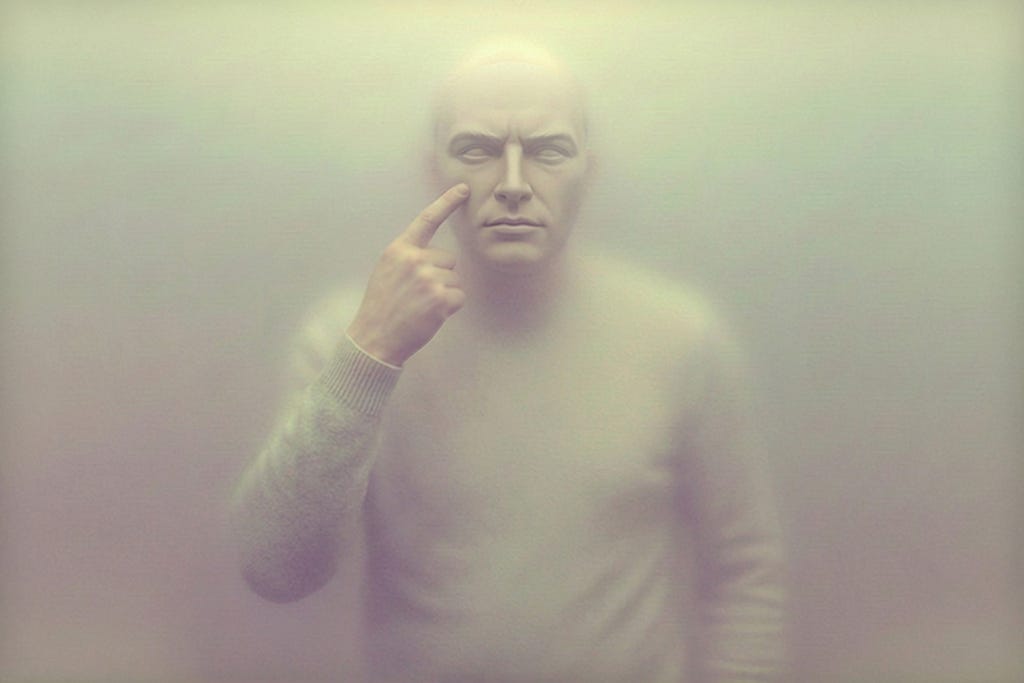
The mask that became a face
At work, the performance is even more explicit. We have to put on the mask of “I’m the most incredible person you have.” Nothing more than structural survival.
If you don’t show up, you’re not remembered when promotions come around. Visible performance matters more than silent work. The clarity of your reports ends up defining your perceived reliability.
So we send weekly reports that are 70% real work, 30% personal marketing. “Key achievements this week,” we write, as if we’d won the space race. That presentation where you rehearsed your “spontaneous contribution” multiple times to impress the people who matter. That calculated moment of waiting a few minutes before responding on Slack, fast enough to seem available, but not so instant that you look desperate or like you have nothing real to do.
And it works. Of course it works.
Managers love employees who are clear, proactive, communicative. Organizational efficiency improves. Engagement goes up. Everyone wins.
Does it, though? What’s the cost?
The cost is invisible but real. Time spent editing messages instead of thinking through the problem that actually needs solving. Mental energy wasted anticipating imaginary judgments. The constant anxiety of being misunderstood or forgotten.
Professional decisions made based on “what will look good,” until you forget what actually matters.
Because beneath all this performative efficiency, there’s exhaustion. A permanent sense of inadequacy. You never sent all the updates you should have. Never participated in all the strategic meetings. Never read all the messages or the endless email threads. Never took enough initiative in company-wide meetings. Never had enough visibility to be remembered when the promotion came.
And the more you try, the more you confirm that you’re not enough.
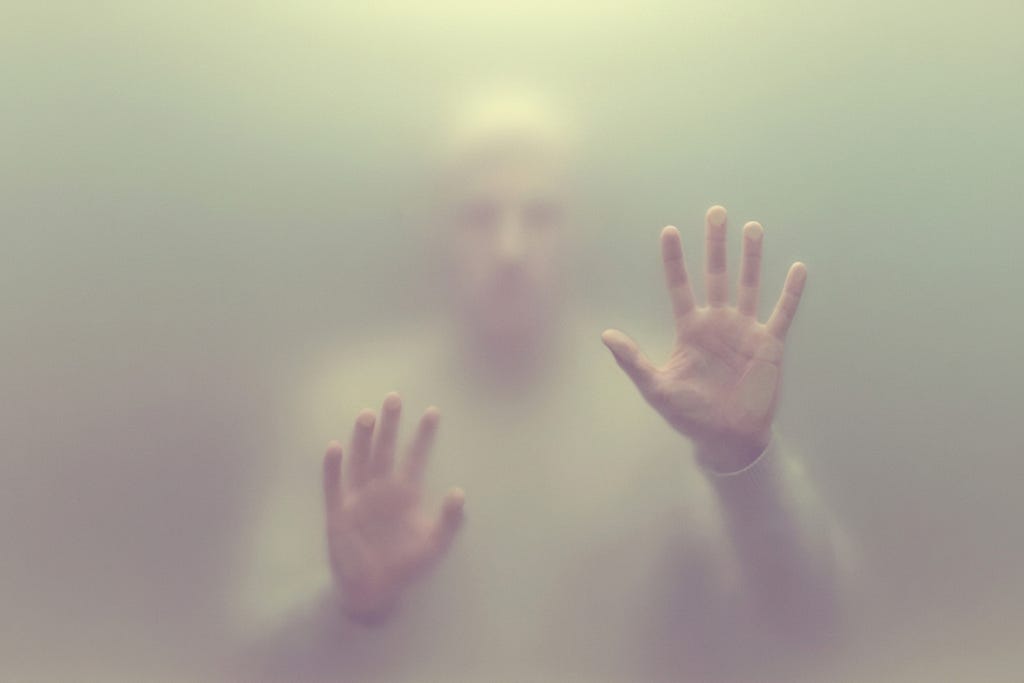
Voluntary prisoners
We built our own prison. There is no captor. No explicit coercion. But there are invisible bars, internalized, real. Bars made of constant visibility, of public metrics, of social validation as the currency of professional survival.
And we built them. Post by post.
It’s a practical necessity. Your career and market relevance depend on it. You perform without even noticing. Until you lose the ability to distinguish what you want from what you need to demonstrate.
I say this as someone who has already built a platform. Portfolio, clients, margin. What about those trying to enter? There’s no “before performing.” You start already performing. The prison has floors. Some think about leaving. Others, about getting in. That doesn’t invalidate the critique. It just situates who has the margin to make it.
Nothing worse than becoming a voluntary enforcer
That colleague who delivers exceptional work but doesn’t post their process? “They need to learn to communicate better.”
That designer who doesn’t update their portfolio every month?
“Doesn’t know how to sell themselves.”
You’ve internalized the logic so thoroughly that you now police it for free.
And when someone criticizes the system, we feel indignation. Almost a personal attack.
“Well, I grew because of it. You’re being naive; this is just how the world works now.”
Someone pointed at the prison, and we explained why the bars are necessary.
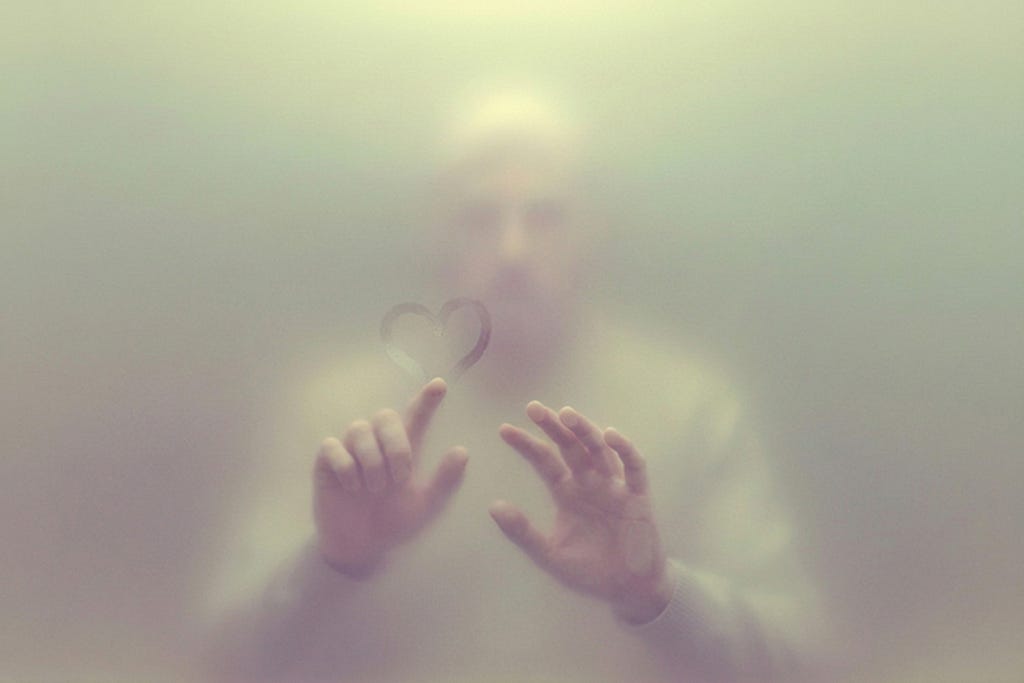
And we’re still grateful
The results are real. That client from networking, that promotion, they happened. Visibility works. For those who need to build material security, this isn’t superficial.
The problem arises when we lose the ability to distinguish: am I doing this because I chose to, or because I can no longer imagine any other way of existing professionally?
And when we achieve something?
Genuine gratitude, or a performance of contentment?
I don’t even know anymore.
So we post about gratitude. About the “privilege of doing what you love.” About lessons from the journey. About how our team is “the most incredible family in the world,” how the company culture “transforms lives.”
#grateful.
The moment identity disappears
But there comes a moment, sooner or later, when that thought surfaces.
“That opinion I posted… do I actually believe it, or was it because it would generate engagement?”
“That project I chose… did it interest me, or did it just make better content?”
“That moment of introspection…
Did I need to think?
Or was I already performing introspection?”
And maybe we no longer know. We’ve performed for so long that we don’t know who we’d be without it.

And who designs all this?
Us. Designers, UX, product managers.
I’m not saying we do it in bad faith. Most genuinely believe they’re “improving the experience.” But let’s be honest about what that means:
Public validation metrics — views, likes, shares — so you know in real time exactly how well you’re performing.
- The “seen” receipt
It obligates you to respond immediately, or perform an excuse. - “Typing…”
It makes you rewrite your message knowing they can see you typing. - Who viewed your profile
Sold as a premium feature. Monetizing paranoia. - Your profile is 73% complete
Amanufactured sense of being unfinished. - Seen by 47 people
Paranoia about who saw it and said nothing. - Active now
Logging in as a public declaration of presence.
Interfaces designed to manipulate decisions. Features that create behavioral dependency. Architectures that hijack your time.
All of this has a name. Dark patterns. Addictive design. Attention capture
Every discomfort you feel was engineered.
And it worked. Better than we imagined.
We built systems so efficient that they now face litigation. Meta and YouTube for addictive design. Amazon fined for impossible cancellation flows. The European Union classified 97% of the most popular App Store applications as containing dark patterns and began regulating the sector.
But when you’re on the product team, the metrics make sense. Engagement up 40%. Retention improved. We celebrate. Bonuses. A success case for the portfolio.
We are, unfortunately, optimizing addiction.
The inevitable convergence
This constant performance, this voluntary self-optimization, this prison we built… The corporate market is systematizing all of it. Developing tools that don’t just observe your performance — they help you perform better. With data, insights, algorithmic empathy.
And the worst part: we’ll accept it. Because refusing means falling behind.
The pieces already exist. Amazon uses tracking systems — wristbands and scanners that monitor warehouse workers’ productivity every second, generating “idle time” metrics. Microsoft Viva analyzes your communication patterns and productivity. Humanyze monitors tone of voice and body language in interactions. Insurance companies offer discounts in exchange for health data.
In isolation, each seems reasonable. But when they talk to each other?
You stay late working on an urgent proposal. Your laptop logs nighttime productivity. Your smartwatch logs insufficient sleep. Your calendar shows six meetings in one day.
The system infers: “Problematic time management. Procrastination during working hours. Burnout risk.”
You probably won’t be consulted. The system will build a behavioral profile you’ve never seen, but that your manager can access. That interface is likely already being built by talented designers and engineers, perhaps even well-intentioned ones, who believe they’re solving real problems.
And how will it be sold?
“Empowerment through data.”
“Enhanced self-awareness.”
“Personalized support.”
The messaging will be empathetic, careful, almost moving.
But you didn’t define what “healthy” looks like. They did. You didn’t choose to be monitored. You just accepted it, because refusing would mean “not caring about your own development.”
It’s the same logic as the profile picture.
Every step is perfectly rational. Supremely practical.
And we keep distorting ourselves.

There any redemption?
I don’t believe the solution is deleting your account or retreating to the woods. And you probably won’t stop performing — I won’t. The game exists. Refusing to play is a privilege most people don’t have.
But there is a difference between performing with the awareness that it’s theater, and believing that the theater is you.
If you need to edit the photo to get in the game, that’s fine. A diplomat wears a suit, a doctor wears a white coat; you wear a profile picture. We put on masks because the world demands it. This is ritual, contingent on the moment we’re living in. It is neither eternal nor natural.
The problem was never the mask. It was forgetting you were wearing one.
I write this knowing that this very text participates in the same structure, it will be shared, and it will be performed. Awareness of the theater doesn’t take me off the stage. It only reminds me that I’m on it too.
But what makes us sick is not the performance itself, it’s the sustained lie. The manager who posts about human-centered culture while expecting replies at 11pm. The designer who celebrates inclusivity but never questions the product’s exclusionary metrics. The professional who performs gratitude while feeling nothing but exhaustion.
Awareness of the theater is what prevents moral dissonance. When you know it’s performance, you preserve mental energy for what truly matters. Your family. Your values. Your actual competence.
And us, as designers?
For us, creators of systems, designers, UX, product managers, there is always a gap.
A gap between “what the metric demands” and “what I know is right.”
A gap between “what will perform better in the A/B test” and “what won’t leave the user feeling manipulated afterward.”
The gap isn’t always navigable. There are moments when the system leaves no room, when the choice is between compromising the design or compromising the paycheck.
But the gap exists.
And culture is never static. It is always transforming. What holds value today becomes irrelevant tomorrow. What seems inevitable today, five years from now, is embarrassing.
Remember when smoking on planes was normal? When doctors recommended cigarettes? When asbestos was the “material of the future”? When tobacco advertising sponsored Formula 1? When children’s advertising had no limits? When drunk driving was socially tolerated? When no one wore a seatbelt?
I know, the damage of the attention economy is different. It’s diffuse, psychological, subjective. You can’t prove in court that the infinite scroll “caused” your anxiety the way cigarettes caused cancer.
So the change will be slower. More fragmented. It won’t be “we banned dark patterns.” It will be “some companies realize that trust is worth more than engagement, and that becomes a competitive advantage.”
Change doesn’t come overnight. It comes from accumulated small acts of resistance. From designers who, when they can, choose not to add that manipulative feature. From PMs who advocate for satisfaction metrics, not just time-on-platform. From companies that realize — late, but realize — that trust is worth more than predatory engagement.
The market transforms.
Fines, lawsuits, and regulations have already begun to appear. Companies are changing because it’s become too costly to stay the same. The market is extremely fluid and hates losing money.
Perception transforms.
Users already know they’re being manipulated. Teenagers already say “I know this is addictive, but I can’t stop.” Parents are already looking for basic phones for their children. Entire generations growing up distrustful of likes. Books like Jonathan Haidt’s The Anxious Generation and Johann Hari’s Stolen Focus are worldwide bestsellers.
None of this comes close to solving everything. But it creates space.
It creates conditions for products to function without depending on addiction. For professionals to build a presence without constant theatricality. For the process — not just the polished result — to hold recognized value.
And when designers, creators, and builders of systems begin to see our own complicity, the tools we create begin to change too.
Because we realize that systems that consume people eventually consume us as well.
Redemption, if it exists, is not individual. It is not “I saved myself, good luck to the rest.” It is collective, far slower than it should be, and full of setbacks.
But it is possible.
Small cracks in the system. Minimal gestures, repeated until they become culture. We stay in the game, but play it a little differently. A little more consciously.
And when we have the choice, we can choose to lie a little less.
Maybe it won’t change the world. But it keeps a piece of you intact.
And that, in itself, is already a beginning.
To continue the conversation
Thank you for following me through this reflection. This text is part of an ongoing inquiry into design, digital behavior, and identity, one that spills into the practice at my studio and the tools I build. If these ideas resonated, I’d love to continue the conversation.
Where to find me: Substack · LinkedIn · [email protected]
Projects: Reino Studio · Talk to Amia
References and further reading
I. The structure of self-surveillance
FOUCAULT, Michel. Discipline and Punish: The Birth of the Prison (1975)
The concept of panopticism: when the prisoner doesn’t know if they’re being watched, they begin to watch themselves permanently. The warden becomes unnecessary because they have been internalized.
HAN, Byung-Chul. The Burnout Society (2015)
The achievement-subject is not oppressed by another — they oppress themselves with greater efficiency than any external system could manage.
II. Performance, theater, and identity
GOFFMAN, Erving. The presentation of self in everyday life (1959) Goffman proposes that all social interaction is performance, with front stage and back stage. He wrote this decades before social media — and described with precision exactly what they would do once they eliminated the backstage.
DEBORD, Guy. The Society of the Spectacle (1967)
The spectacle is not a set of images: it is a social relation between people mediated by images.
III. The design of attention and its mechanisms
ZUBOFF, Shoshana. The Age of Surveillance Capitalism (2019)
How platforms transformed human behavior into raw material for prediction and modification. The economic logic behind every feature designed to create anxiety.
BRIGNULL, Harry. Deceptive Design
The researcher who named and catalogued dark patterns in 2010. The site maintains a living archive of deceptive patterns identified in real products.
EUROPEAN DATA PROTECTION BOARD. Guidelines 03/2022 on Deceptive Design Patterns in Social Media Platforms
The European regulatory document that classified manipulation techniques across major platforms.
IV. The cost of metrics
MULLER, Jerry Z. The Tyranny of Metrics (2018)
When the metric becomes the goal, behavior reorganizes itself around appearing — not being.
EHRENBERG, Alain. The Weariness of the Self (2010)
The contemporary anguish is not that of someone who has failed — it is that of someone who never finishes constructing themselves.
V. For further investigation
MURRAY, Rachel M. The snake that eats its tail
UX Collective. The tech ecosystem as a self-feeding feedback loop: attention generates data, data refines design, design captures more attention.
FABRIZIA. The design of shallow thinking
UX Collective, 2025. How the internet’s design choices have reconfigured not just what we consume, but the cognitive architecture with which we process anything at all.
WILHELM, Daley. Are we designing for brain rot?
UX Collective, November 2025. The consequences of creating products designed to form compulsive habits — and the designer’s responsibility in that process.

Are we performing ourselves into exhaustion? was originally published in UX Collective on Medium, where people are continuing the conversation by highlighting and responding to this story.
This post first appeared on Read More