

I Found the Perfect Software Architecture Course for Senior Developers and It’s Awesome
My favorite resource for Senior Software Engineers and Tech Leads who wants to become Software Architect
Hello friends, the brutal truth about senior engineering no body tells you is that you can be brilliant at coding and still hit a career ceiling.
After 7 years as a senior software engineer, I watched less-technical colleagues get promoted to architect roles while I stayed stuck. Same salary. Same responsibilities. Same frustration.
The reason wasn’t my code quality or work ethic. The problem was simple: I didn’t understand software architecture.
I could write elegant algorithms and debug complex systems, but when discussions turned to architectural decisions — choosing between microservices and monoliths, designing for scalability, making infrastructure tradeoffs — I froze. I realized coding skills alone won’t make you an architect.
Here’s what changed everything: I discovered Certified Professional for Software Architecture (CPSA-F®) by Michael Pogrebinsky.

Six months later:
- Promoted to Software Architect
- Cracked Senior Engineer interviews
- Internationally recognized CPSA-F® certification
This isn’t a typical online course review. This is about the career transformation that happens when you finally learn to think like an architect instead of just a coder.
Here’s why this training changed my career — and why it might be exactly what you need.
The Gap Nobody Talks About: From Coding to Architecture
The problem with most senior engineers:
We’re taught to write code. We’re NOT taught to design systems.
What this means in practice:
✅ You can implement features flawlessly
✅ You can debug the most complex bugs
✅ You can write clean, maintainable code
❌ You can’t design a system for 10M users
❌ You can’t make tradeoff decisions confidently
❌ You can’t communicate architectural vision
❌ You can’t evaluate and choose between patterns
The reality: Senior engineer skills ≠ Architect skills
They’re completely different disciplines. And nobody teaches the transition from one to the other.
That’s the gap this course fills.
Why I Chose This Software Architecture Training?
I tested 5 different architecture courses before finding this one. Here’s what made it different:
1. Internationally Recognized Certification
This isn’t just a certificate of completion. It’s preparation for iSAQB® CPSA-F® (Certified Professional for Software Architecture — Foundation Level) certification.
What this means:
- Never expires — Unlike AWS, Azure, or Google certifications
- Globally recognized — Respected across industries and countries
- Industry standard — Created by actual architects, not course creators
- Career leverage — Immediate signal you’re architect-ready
The difference: Most courses teach theory. This course prepares you for an internationally recognized standard.
2. Taught by Someone Who Actually Built Large-Scale Systems
Michael Pogrebinsky isn’t a career instructor. He’s a practicing software architect who’s worked at:
- Google — Large-scale distributed systems
- Intel — Performance-critical architectures
- DAQRI (acquired by Snap Inc.) — AR/VR systems at scale
What this brings:
Real examples from systems handling millions of users. Not theoretical “imagine if…” scenarios, but actual architectural decisions he made at billion-dollar companies.
He’s also trained 200,000+ engineers and is an officially accredited iSAQB® CPSA-F® trainer.
My take: Taking this course felt like having a senior architect mentor walking me through every decision.
3. Skills That AI Can’t Replace
With AI tools advancing rapidly, coding is becoming commoditized. Architecture is not.
Why architecture remains human:
- Requires understanding business context
- Involves complex tradeoffs (performance vs. cost vs. time)
- Needs stakeholder communication
- Demands long-term strategic thinking
The insight: AI can write code. It can’t design systems that balance technical constraints, business goals, and organizational realities.
This course teaches skills that make you more valuable as AI advances, not less.
Here’s the link to this training: Certified Professional for Software Architecture
What You Actually Learn (The Curriculum Breakdown)?
This isn’t a surface-level overview course. It’s 58 comprehensive lessons covering everything architects need to know.
Module 1: Software Architecture Fundamentals
What you’ll master:
- What software architecture actually is (most engineers don’t know)
- The architect’s role vs. the senior engineer’s role
- How architecture connects to business goals
- Design constraints and how to work with them
- Making architecture decisions that survive organizational changes
Why this matters:
Understanding the why behind architectural decisions is what separates architects from engineers. This module builds that foundation.
Real impact: I stopped proposing technical solutions without understanding business context. This alone improved my influence 10x.
Module 2: Risk Analysis and Quality Attributes
What you’ll master:
- Identifying architectural risks before they become problems
- Quality attributes: scalability, availability, performance, security
- Quantifying non-functional requirements
- Making tradeoffs between competing quality attributes
- Risk mitigation strategies
Practical application:
Before this module: “We should make it scalable!”
After this module: “Given our growth projections of 50% annually and budget constraints, I recommend horizontal scaling with auto-scaling groups, accepting 99.9% availability instead of 99.99% to reduce costs by 40%.”
Career impact: This is how architects think. Speaking this language changed how leadership perceived me.
Module 3: Architectural Patterns (The Core Toolkit)
What you’ll master:
Layered Architecture:
- When to use (most enterprise apps)
- Common pitfalls
- Variations and tradeoffs
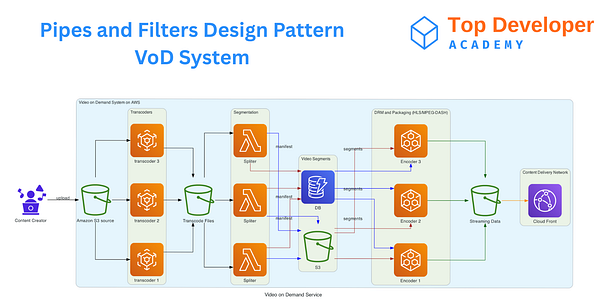
Pipes and Filters:
- Data processing pipelines
- Streaming architectures
- ETL systems
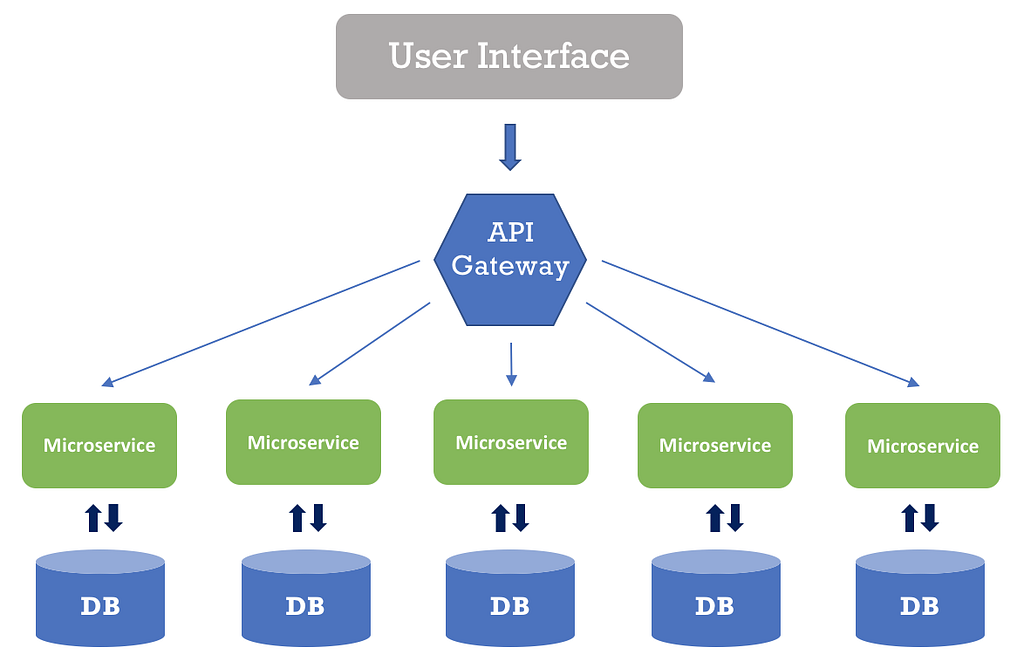
Microservices Architecture:
- When microservices make sense (and when they don’t)
- Service boundaries
- Communication patterns
- Data management in distributed systems
Event-Driven Architecture:
- Event sourcing
- CQRS (Command Query Responsibility Segregation)
- Event processing patterns
- Eventual consistency
Why patterns matter:
Instead of reinventing solutions, you recognize problems and apply proven patterns. This accelerates decision-making and reduces risk.
My experience: Recognized that our monolith didn’t need microservices (yet). Saved the company 6 months of unnecessary complexity.
Module 4: Interface Design and Data Modeling
What you’ll master:
- API design principles
- Interface contracts and versioning
- Data modeling for distributed systems
- Database selection (SQL vs. NoSQL vs. NewSQL)
- Consistency models and CAP theorem in practice
Real-world application:
Designed RESTful APIs that didn’t break when requirements changed. Understanding interface design prevented the “rewrite everything” cycle.
Module 5: Design Tactics and Coupling Strategies
What you’ll master:
- Reducing coupling between components
- Dependency management at scale
- Module design and cohesion
- Refactoring strategies for large systems
- Technical debt management
The paradigm shift:
This module taught me to think in systems, not just code. Understanding coupling changed how I approached every design decision.
Module 6: Architecture Documentation and Communication
What you’ll master:
- Documenting architecture decisions (ADRs)
- Creating architecture diagrams that stakeholders understand
- Communicating with non-technical audiences
- Presenting architecture to executives
- Building consensus around architectural decisions
Career-changing insight:
Technical brilliance without communication = invisible. This module taught me to make architecture decisions clear to everyone from developers to CEOs.
Before: Technical documents nobody read
After: Visual diagrams that drove decision-making
Module 7: Architecture Evaluation
What you’ll master:
- ATAM (Architecture Tradeoff Analysis Method)
- Evaluating existing architectures
- Identifying architectural anti-patterns
- Measuring architectural quality
- Making data-driven architecture improvements
Real impact: Evaluated our existing system, identified 3 critical bottlenecks, proposed solutions that 3x’d our throughput.

Understanding iSAQB® and CPSA-F® Certification
Now, let’s learn a bit of these two popular software architecture certification.
What is iSAQB®?
The International Software Architecture Qualification Board (iSAQB®) is a global, non-profit organization that:
- Develops standardized software architecture curricula
- Maintains certification programs for architects
- Ensures professional competence standards
- Operates internationally across industries
Think of it as: The PMI of software architecture, but more technical and specialized.
What is CPSA-F®?
CPSA-F® = Certified Professional for Software Architecture — Foundation Level
Key facts:
- First level in the CPSA® certification scheme
- Internationally recognized across 60+ countries
- Never expires — Unlike cloud certifications
- Accredited training required for best preparation
- Foundation for advanced certifications (CPSA-A®, CPSA-E®)
Career significance:
Holding CPSA-F® certification demonstrates:
- Fundamental software architecture competence
- Commitment to professional standards
- Readiness for architect-level responsibilities
- International professional recognition
The advantage: When two candidates apply for an architect role, CPSA-F® certification is a decisive differentiator.
Is This Training Officially Accredited?
Yes. Top Developer Academy (Michael’s organization) is an officially accredited training provider by iSAQB®.
What this means:
- Curriculum fully complies with CPSA-F® exam requirements
- Content reviewed and approved by iSAQB®
- Training certificate qualifies you to take the exam
- Learning outcomes aligned with certification standards
The difference: Non-accredited courses teach “architecture.” This course prepares you for a professional standard.
Who Should Take This Course?
This course is suitable for all senior engineers, developers and tech leads but its Perfect For:
✅ Senior Software Engineers — Ready to make the architect leap
✅ Technical Leads — Want formal architecture training
✅ Engineering Managers — Need to understand architecture decisions
✅ Software Architects (self-taught) — Want certification and validation
✅ Senior Developers — Feeling stuck in current role
Ideal candidate profile:
- 18+ months practical software development experience
- Comfortable with multiple programming languages
- Worked on production systems
- Ready to think beyond code
- Seeking career advancement
Also Valuable For:
✅ Software Analysts — Understanding architecture context
✅ DevOps Engineers — Architectural implications of infrastructure
✅ Product Managers — Technical depth for better decisions
Not Ideal For:
❌ Complete beginners — Need coding experience first
❌ Junior developers — Focus on fundamentals first
❌ Those seeking quick certifications — This requires serious study
My observation: The engineers who got the most value had 3+ years experience and felt ready for “the next level” but didn’t know how to get there.

Final Verdict: Is This Worth It?
For senior engineers ready to become architects: This is the most valuable investment you can make.
What you get:
✅ Structured path from engineer to architect
✅ Internationally recognized CPSA-F® preparation
✅ 58 comprehensive lessons from practicing architect
✅ Lifetime-valid certification
✅ Skills that AI can’t replace
✅ Clear ROI in salary and career growth
What you won’t get:
❌ Quick certification with minimal effort
❌ Shallow overview of architecture
❌ Outdated patterns and practices
My honest recommendation:
If you’re a senior engineer who:
- Feels stuck at current level
- Wants to lead technical decisions
- Seeks architect-level compensation
- Values internationally recognized credentials
Take this training. It’s the fastest, most structured path to architect-level skills and certification.
The salary increase alone justifies the investment. The career transformation is priceless.
Here’s the link: Certified Professional for Software Architecture
iSAQB CPSA-F Self-Paced Certification Training for Software Architects – Top Developer Academy
Additional Resources for Your Journey
More from Michael Pogrebinsky:
- Software Architecture & Design of Modern Large Scale Systems (Udemy)
- Java Multithreading, Concurrency & Performance Optimization (Udemy)
- The Complete Microservices & Event-Driven Architecture (Udemy)
The Bottom Line
Six months ago, I was a frustrated senior engineer wondering why my career wasn’t progressing despite my technical skills.
Today, I’m a Software Architect earning $93K more, leading technical decisions, and shaping product direction.
The difference: Understanding that coding skills alone aren’t enough. Architecture is a separate discipline that must be learned intentionally.
This CPSA-F® training provided the structured path, professional certification, and practical knowledge that transformed my career.
If you’re a senior engineer ready to make the leap to architect, this is your roadmap.
Don’t wait. Start now.
Your future architect self will thank you.
P.S. — This training transformed my career in 6 months. The investment pays for itself immediately through salary increase alone. If you’re serious about becoming an architect, join this training today.
iSAQB CPSA-F Self-Paced Certification Training for Software Architects – Top Developer Academy

I Found the Perfect Software Architecture Course for Senior Developers and It’s Awesome was originally published in Javarevisited on Medium, where people are continuing the conversation by highlighting and responding to this story.
This post first appeared on Read More