
My favorite online resources to learn Software Engineering in 2026
Hello friends, After spending six months testing every major platforms like DataCamp, Udemy, Coursera, ZTM Academy, Educative.io, Frontend Masters and ZTM Academy — I’ve narrowed down the five courses that actually transform your engineering skills.
This isn’t a generic list. I completed each one, built real projects, and tracked which ones resulted in job offers and promotions for people I know who used them.
By the way, if you are in rush and just need one course to start with then I highly recommend you to start with Associate AI Engineer for Developers track on Datacamp. This is one of the best structured course for beginners who wants to learn AI engineering.
AI Engineer Course: Become an AI Engineer | DataCamp
Why Most Courses Fail (But These Don’t) ?
Here’s what I noticed: most software engineering courses are either:
- Too theoretical — Teach concepts but never show you how to build real systems
- Too surface-level — Cover everything shallow, nothing deep
- Outdated — Still teaching legacy tech in 2026
- Boring — Make you want to sleep by hour 3
The five courses I’m recommending break that pattern. They’re practical, up-to-date, and taught by people who actually ship code at scale.
The Foundation: Master Python + AI Engineering (DataCamp)
Before diving into frameworks and systems design, you need a rock-solid foundation in Python and emerging tech like AI.
1a. Associate Python Developer Track (DataCamp)
Platform: DataCamp | Time: 40–50 hours | Cost: $300–400/year
Why it’s the best Python foundation:
Python is the default language for modern software engineers. Whether you’re building backends, data pipelines, or ML systems, you need Python fluency.
This DataCamp track does something most courses don’t — it combines interactive coding challenges with industry-standard practices:
- Syntax & fundamentals (the boring but necessary stuff)
- OOP & design patterns (how to write maintainable code)
- Testing & debugging (what separates junior from senior engineers)
- Project-based learning (build real applications, not toy exercises)
The advantage of DataCamp over free YouTube tutorials: you get instant feedback, guided projects, and a structured path. You won’t waste time wondering “what should I learn next?”
Best for: Career changers, self-taught developers, or anyone who wants to solidify their Python fundamentals before moving to specializations.
→ Enroll in Associate Python Developer Track
The good thing is that they are right now running a sale and you can join now for 50% discount. I highly recommend this offer.
DataCamp Sale 2026 | DataCamp Promo & Discount
1b. Associate AI Engineer for Developers Track (DataCamp)
Platform: DataCamp | Time: 35–45 hours | Cost: Included in subscription
Why you need this in 2026:
AI isn’t optional anymore. Every company is asking software engineers to understand LLMs, embeddings, prompt engineering, and agentic systems.
This track bridges that gap. It teaches:
- Large Language Models (how they work, how to use them)
- RAG & embeddings (building AI-powered applications)
- Prompt engineering (extracting value from LLMs)
- LangChain & vector databases (production AI stacks)
- Agentic systems (AI agents that act autonomously)
Unlike theory-heavy ML courses, this assumes you already code and shows you how to integrate AI into real applications.
Critical insight: In 2026, software engineers who ignore AI will become obsolete. This course makes sure you’re not one of them.
Best for: Developers who want to stay relevant and build AI-powered features without becoming ML researchers.
Here is the link to → Enroll in Associate AI Engineer Track
2. Grokking the Low Level Design Interview Using OOD Principles (Educative)
Platform: Educative.io | Time: 15–20 hours | Cost: $14.99/month subscription
Why it’s essential:
After mastering the basics, the differentiator between mid-level and senior engineers is object-oriented design. Can you architect extensible, maintainable systems?
This Educative course cuts through the BS:
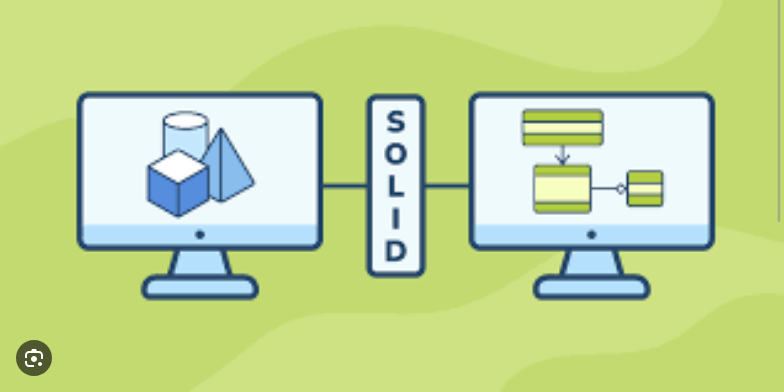
- Real OOD principles (SOLID, design patterns, etc.)
- Battle-tested interview problems (built by FAANG engineers)
- Interactive code walkthroughs (see solutions in real-time)
- Trade-off analysis (why you’d choose composition over inheritance)
The interactive format matters. You’re not just watching videos — you’re running code and seeing patterns click into place.
Perfect for: Mid-level engineers preparing for senior roles, or anyone who wants to write code that other humans can actually maintain.
Here is the link to → Start course on Educative
Btw, you would need an Educative subscription to join this course, which not only provide access to this course but more than 1200+ courses to learn essential tech skills, prepare for coding interview and improve yourself as a Developer.
Educative Unlimited: Excel with AI-Powered Learning
If you want to invest yourself and upgrade your tech skill, this is one subscription you definitely need. They are also offering 50% discount now.
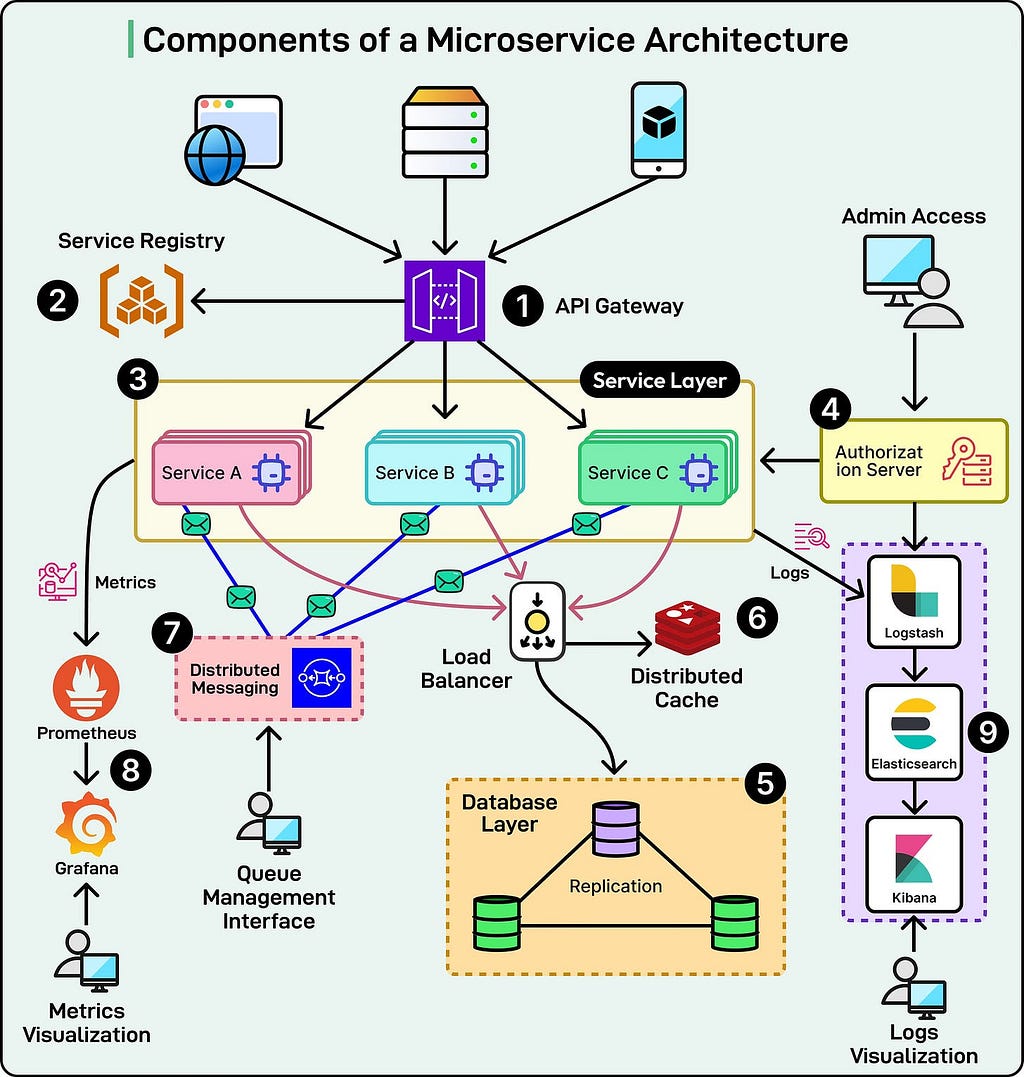
3. Microservices: Designing Highly Scalable Systems (Udemy)
Platform: Udemy | Time: 8–10 hours | Cost: $15–20
Why you need this:
Every serious company has moved to microservices. If you’re interviewing at a startup or established tech company, you’ll be asked about service boundaries, API design, and distributed systems.
This course covers:
- Monoliths vs. microservices (when to use each)
- Service boundaries & domain-driven design
- API design & backwards compatibility
- Deployment strategies (blue-green, canary, etc.)
- Observability & monitoring
It’s practical enough that you could implement these patterns in your next project, but deep enough that you understand the reasoning behind architectural decisions.
Best for: Engineers scaling from “make it work” to “make it work at scale.” If you’re building anything with multiple services, this is essential.
Here is the link to join this course on Udemy — Microservices: Designing Highly Scalable Systems
4. Amazon Junior Software Developer Professional Certificate (Coursera)
Platform: Coursera | Time: 4–5 months (part-time) | Cost: $49/month
Why it’s the most comprehensive:
This is the only course on this list designed to be a complete bootcamp replacement. Amazon created this specifically to train junior developers for real jobs.
What you’ll learn:
- Full software development cycle (requirements → deployment)
- Python + AWS (the modern backend stack)
- Data structures & algorithms (for interviews)
- Software design & testing (professional practices)
- Real capstone project (build something that actually matters)
The advantage over bootcamps: 1/10th the cost, learn at your own pace, and Amazon’s credibility carries weight in interviews.
Completed this? You can confidently apply to junior SDE roles anywhere.
Best for: Career changers, bootcamp graduates wanting to solidify fundamentals, or anyone building a resume from scratch. This is the most “complete” offering on this list.
Here is the link to → Enroll on Coursera

Similar to Udemy, I also joined multiple Python courses on Coursera like Google IT Automation with Python Professional Certificate and Automate Cybersecurity Tasks with Python by Google. because I have Coursera Plus subscription which provides you unlimited access to their most popular courses, specialization, professional certificate, and guided projects.
Coursera Plus | Unlimited Access to 10,000+ Online Courses
It costs around $399/ per year but is worth it because you get access to more than 10000+ courses and projects, and you can also get unlimited certificates.
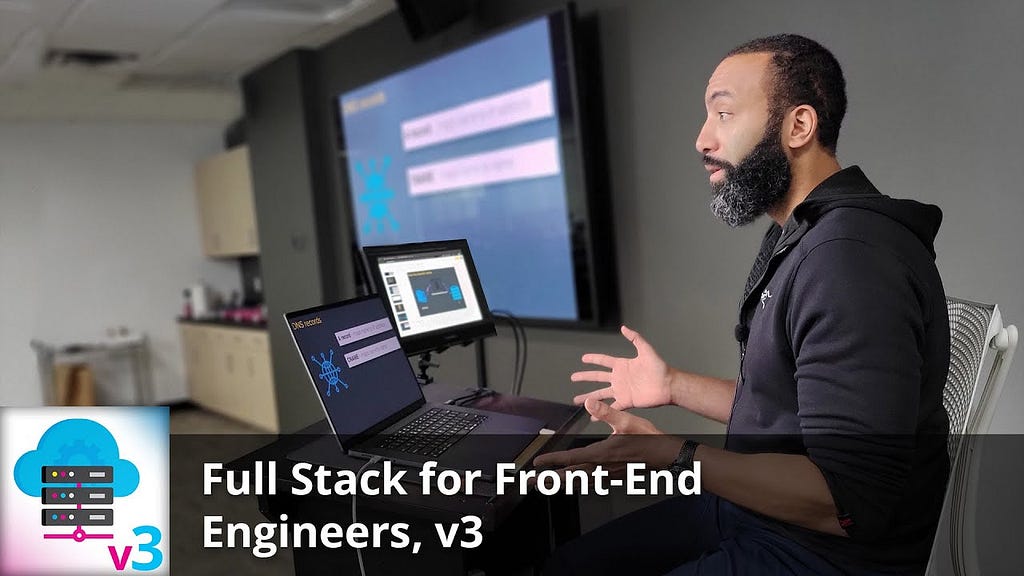
5. Full Stack for Front-End Engineers, v3 (Frontend Masters)
Platform: Frontend Masters | Time: 20–25 hours | Cost: $39/month or $299/year
Why frontend engineers need backend skills:
Frontend-only engineers hit a ceiling. To build truly innovative features, you need backend knowledge.
This Frontend Masters course bridges that gap:
- Modern backend architecture (Node.js, databases, APIs)
- Full-stack thinking (how frontend + backend interact)
- DevOps basics (containers, deployment, monitoring)
- Building production systems (not toy projects)
- Real-world patterns (caching, rate limiting, error handling)
It’s taught by someone who actually ships full-stack code, not a pure backend specialist lecturing front-end developers.
Best for: Frontend engineers wanting to become full-stack. If you already do frontend, this makes you 10x more valuable.
Here is the link to join this course — Full Stack for Front-End Engineers, v3
6. The Complete Web Developer in 2026: Zero to Mastery (ZTM Academy) (Bonus)
Platform: ZTM Academy | Time: 35–40 hours | Cost: $49–79 one-time
Why it’s the best modern stack course:
If you want to learn the entire modern web stack in 2026 — from frontend frameworks to deployment — this is it.
The curriculum covers:
- React + modern frontend (2026 standards)
- Node.js backend
- Databases & SQL
- DevOps & deployment (Docker, CI/CD)
- Real project portfolio (actually ship something)
ZTM’s teaching style is refreshingly practical. No 2-hour videos of someone explaining concepts. Everything is shown through building real projects.
4+ hours of career advice included (resume tips, interview prep, freelancing strategies).
Best for: Beginners who want to become full-stack developers, or self-taught developers who want to fill gaps and learn modern practices.
Here is the link to join this course — The Complete Web Developer in 2026: Zero to Mastery
My Honest Caveat
These courses are excellent, but they’re not magic. You still have to:
- Actually code (not just watch videos)
- Build real projects (don’t just follow tutorials)
- Debug when things break (that’s where learning happens)
- Read documentation (courses won’t cover every edge case)
The courses provide the framework. You provide the discipline.
Final Recommendation
If you have to pick just one, pick the Amazon Junior SDE Certificate. It’s the most comprehensive and closest to a complete bootcamp replacement.
If you have a month, do:
- DataCamp Python
- DataCamp AI Engineer
- Educative OOD
If you have 6+ months and want to be genuinely excellent, do all five.
One More Thing
Software engineering is a skill that compounds. Every course you complete, every project you build, every system you design makes you exponentially better.
Start with one of these courses today. In six months, you’ll be amazed at what you can build.
Good luck. Go ship something great.
P. S. — If you just want to do one thing, I suggest you to start with the Associate AI Engineer for Developers track on Datacamp. It’s one of the best structured program for developers to become AI Engineer in 2026, you will thank me later.
AI Engineer Course: Become an AI Engineer | DataCamp

I Tried 30+ Software Engineering Courses: Here Are My Top 5 Recommendations for 2026 was originally published in Javarevisited on Medium, where people are continuing the conversation by highlighting and responding to this story.
This post first appeared on Read More