
My favorite courses to learn Kibana and ELK stack in 2026
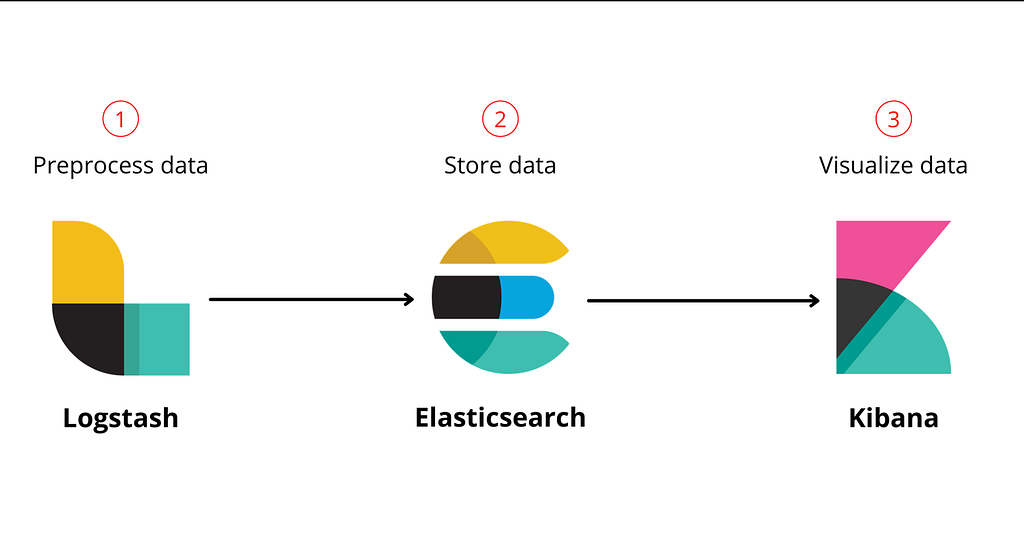
Hello friends, If you work with logs, monitoring, or data visualization, you’ve almost certainly heard of Kibana. It’s the visualization and analytics layer of the Elastic Stack (formerly ELK Stack), sitting on top of Elasticsearch and Logstash.
Kibana lets you turn raw log data into clear dashboards, charts, heatmaps, and real-time insights. It’s one of the most practical skills you can learn if you work with observability, DevOps, or big data.
If your project runs in Kubernetes or Cloud or even on-premise, adding Kibana can improve observability a lot. You will have more data in your hand when you are dealing with production issues and you can actually take a lot of pro-active action once you got the dashboard setup and running.
When it comes to learn Kibana, I found online courses are best because you can see how people are setting it up and how they are using it but finding right course is still a struggle.
I spent time reviewing more than 20 Kibana and Elastic Stack courses. After filtering for quality, clarity, and real-world usefulness, these are the 5 best Kibana courses I recommend in 2026.
5 Best Udemy Courses to learn Kibana in 2026
Without any further ado, here are the top Kibana and ELK stack courses you can join on Udemy to learn this useful skill in 2026. Most of these courses cover both Logstash and Kibana as well as ElasticSearch but I also have in-depth course for Kibana in this list.
1. Data Visualization with Kibana
Instructor: Bo Andersen Duration: ~6 hours Rating: 4.6
This is one of the cleanest and most focused Kibana courses available online. You learn how to create both basic and advanced visualizations, work with dashboards, and secure Kibana using roles and spaces.
Best for: Developers who want a practical, hands-on introduction to Kibana without unnecessary fluff.
Here is the link to join this course — Data Visualization with Kibana
Data Visualization with Kibana
2. Complete Elasticsearch Masterclass with Logstash and Kibana
Instructor: Imtiaz Ahmed Duration: ~6 hours Rating: 4.6
A solid all-rounder that covers the full Elastic Stack. You’ll learn Query DSL, Aggregations, Filters, and how to combine them effectively. The Kibana sections are practical and easy to follow.
Best for: Beginners who want to understand the complete ELK Stack, not just Kibana in isolation.
Here is the link to join this course — Complete Elasticsearch Masterclass with Logstash and Kibana
Complete Elasticsearch Masterclass with Logstash and Kibana
3. Complete Guide to Elasticsearch
Instructor: Scott Bullock Duration: ~2 hours Rating: 4.5
A short and focused course that teaches you how to build visualizations and dashboards in Kibana. It’s ideal if you already know the basics of Elasticsearch and just want to get productive with Kibana quickly.
Best for: People who prefer short, to-the-point courses.
Here is the link to join this course — Complete Guide to Elasticsearch
Complete Guide to Elasticsearch
4. Elasticsearch 9 and the Elastic Stack: In Depth and Hands On
Instructor: Frank Kane Duration: 15.5 hours Rating: 4.7
This is the most comprehensive course on the list. Frank Kane (one of the best instructors on Udemy) takes you deep into Elasticsearch 8, Kibana, Logstash, and Beats. You’ll learn architecture, indexing, full-text search, structured queries, and how to build analytical dashboards.
Best for: Developers who want a thorough, production-oriented understanding of the entire Elastic Stack.
Here is the link to join this course — Elasticsearch 9 and the Elastic Stack: In Depth and Hands On

5. Complete Elasticsearch Masterclass with Logstash and Kibana
Instructor: Job Ready Programmer Duration: ~6 hours Rating: 4.6
Another strong beginner-friendly option that covers the essential parts of the Elastic Stack. The course explains why the stack is valuable and walks you through Logstash, Beats, and Kibana in a clear sequence.
Best for: Absolute beginners looking for a structured and approachable starting point.
Here is the link to join this course — Complete Elasticsearch Masterclass with Logstash and Kibana
Complete Elasticsearch Masterclass with Logstash and Kibana
Why Udemy is Good Place to Learn Kibana and ELK stack in 2026?
After trying multiple platforms like Udemy, Coursera,, DataCamp, Frontend Masters, Udacity, and ZTM Academy, I found Udemy most affordable to learn Kibana, logstash, and ElasticSearch
5 Reasons Udemy Excels:
- Expert Instructors — Real practitioners building production LLM apps
- Hands-on Projects — Actual applications you can deploy
- Affordability — $10–15 per course during sales (vs. $199 elsewhere)
- Lifetime Access — Learn at your pace, revisit anytime
- Updated Content — Courses update with comprehensive Generative AI content.
It also got more choices which means if you don’t understand from one instructor you can switch to another course.
Bonus: Udemy Personal Plan gives access to 11,000+ courses for $30/month — incredible value if taking multiple courses.

Quick FAQ
What is Kibana mainly used for?
Kibana is used for data visualization, log analysis, and building interactive dashboards on top of Elasticsearch data.
What’s the difference between Elasticsearch and Kibana?
Elasticsearch is the search and analytics engine (the database). Kibana is the frontend that lets you query, visualize, and explore the data stored in Elasticsearch.
Final Thoughts
If you’re serious about learning Kibana in 2026, start with Frank Kane’s course if you want depth, or Bo Andersen’s course if you want a focused and practical introduction.
All five of these courses will take you from beginner to confident user much faster than random YouTube videos or scattered documentation.
Which course are you planning to start with?
P.S. — If you just want to do one thing right now, go ahead and start with Frank Kane’s course, you will thank me later.

I Tried 20+ Kibana Courses: Here are My Top 5 Recommendations for 2026 was originally published in Javarevisited on Medium, where people are continuing the conversation by highlighting and responding to this story.
This post first appeared on Read More