

Designing Data-Intensive Applications vs System Design Interview — An Insider’s Guide by Alex Xu?
Designing Data-Intensive Applications vs System Design Interview — An Insider’s Guide by Alex Xu?
Which One Should You Read for Your System Design Interview?

Hello guys, preparing for a system design interview can feel overwhelming as its very vast topic with no ends.
Whether you’re aiming for a FAANG role or any company with large-scale distributed systems, you need more than coding skills — you need to show that you can architect real-world systems that scale, stay reliable, and meet evolving business requirements.
And, when it comes to mastering System Design, two of the most recommended resources are Designing Data-Intensive Applications (DDIA) by Martin Kleppmann and System Design Interview — An Insider’s Guide (SDI) by Alex Xu.
Both are widely praised, but they serve different purposes. If you’re pressed for time, which one should you pick? And how do they fit into a complete preparation strategy? Let’s break it down.
- Designing Data-Intensive Applications: The Big Ideas Behind Reliable, Scalable, and Maintainable Systems
- System Design Interview – An insider’s guide
1. What Each Book Is About?
Before going anywhere, let’s try to understand what’s each book is about? Which one is better to learn System Design fundamentals and which one is suited for System Design Interview preparation in short time.
Designing Data-Intensive Applications (DDIA)
Martin Kleppmann’s Designing Data-Intensive Applications is often called the “Bible of distributed systems.” It dives deep into how data systems — databases, caches, queues, streams — work under the hood.
It explores consistency, replication, partitioning, fault tolerance, and the trade-offs that modern large-scale systems must navigate.
Strength: Rigorous explanations of concepts like consensus algorithms, distributed transactions, and storage engines.
Focus: Real-world data engineering and distributed systems fundamentals.
Use Case: Perfect for engineers who want to understand the theory behind scalable systems and build long-term knowledge.
You can grab it here: Designing Data-Intensive Applications (Amazon)
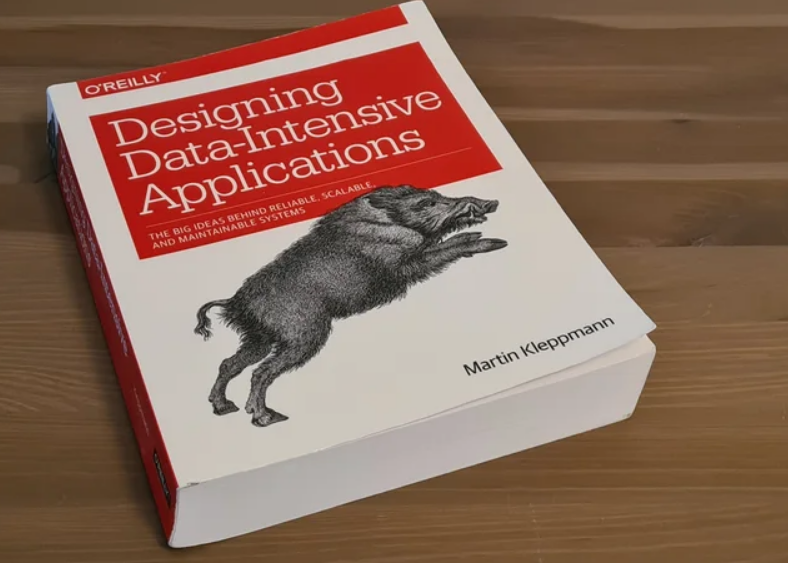
I have also written a detailed review of this book which you can read here.
System Design Interview — An Insider’s Guide (SDI)
Alex Xu’s System Design Interview is laser-focused on interview preparation. Instead of deep theory, it provides a structured framework for answering open-ended system design questions, plus detailed walkthroughs of real interview problems like designing Twitter, Dropbox, or a URL shortener.
It’s also a two part book where volume 1 covers fundamentals and frequently asked System Design questions and second part built upon that and cover more advanced concepts
Strength: Clear step-by-step frameworks and practical examples that map directly to interview settings.
Focus: Communication, trade-offs, and interview-ready designs.
Use Case: Ideal for candidates who need to perform in an interview and want concrete strategies.
You can find it here: System Design Interview — An Insider’s Guide (Amazon)
By the way, if you are interested in this book then I highly recommend you to join ByteByteGo, where you will not just get this book but also volume 2 and Alex’s other books on Object Oriented Design, Machine Learning System Design and Generative AI System Design.
They are also offering 50% discount now on lifetime plan which offer best value. I just bought it and recommend same plan to you. Once you got that, you are set for any interview prep.
System Design · Coding · Behavioral · Machine Learning Interviews
2. How They Differ in Approach
Although both are great books for anyone who want to learn System Design and Software architecture, they differ significantly on what they teaches and how they teaches
Goal
- DDIA: Teaches deep distributed systems theory for long-term understanding.
- SDI: Focuses on helping you ace system design interviews.
Style
- DDIA: Textbook-like, detailed, and concept-heavy.
- SDI: Playbook style with clear, step-by-step frameworks.
Learning Curve
- DDIA: High — requires patience and some background in distributed systems.
- SDI: Moderate — accessible to most engineers.
Practical Exercises
- DDIA: None; purely theoretical.
- SDI: Includes interview-style case studies and example solutions.
Time to Value
- DDIA: Takes weeks or months to fully absorb and apply.
- SDI: Delivers actionable preparation within days to weeks.
Key takeaway
If you have several months before your interviews, DDIA builds durable knowledge that will benefit your career. But if your interview is just weeks away, SDI offers fast, practical preparation.
You can learn more about these books here
- Designing Data-Intensive Applications: The Big Ideas Behind Reliable, Scalable, and Maintainable Systems
- System Design Interview – An insider’s guide
3. Which Book Should You Read First?
The answer depends on your timeline and goals:
- Short Timeline (Interview in 1–2 months): Start with System Design Interview. It’s tailored to interviews, helps you quickly structure answers, and covers the most frequently asked problems.
- Long Timeline (Interview in 6+ months or career growth): Begin with Designing Data-Intensive Applications to master core concepts, then move to System Design Interview to learn how to communicate those concepts in interviews.
- Ideal Strategy: Read SDI first to get comfortable with interview expectations, then gradually work through DDIA to deepen your understanding for future growth.
Here is the link to get the SDI book — System Design Interview

4. Why You Still Need Practice Beyond Books
Both System Design books are excellent, but reading alone is not enough. System design interviews are as much about communication and trade-off reasoning as technical knowledge.
You’ll need to practice:
- Explaining architecture diagrams on a whiteboard or shared doc
- Estimating scale (requests/sec, storage needs, bandwidth)
- Handling vague requirements and changing constraints
This is where an interactive learning platform like Codemia.io and Bugfree.ai adds huge value. They provide platforms and tools so that you can practice System design questions live online and also sharpen your System design skills.
- Master System Design Interviews Through Active Practice
- Master System Design & Behavioral Interviews Like Leetcode
5. ByteByteGo — A Complete System Design Prep Platform
If you want a structured, end-to-end solution, ByteByteGo is one of the best investments you can make. Co-founded by Alex Xu (the author of System Design Interview), ByteByteGo combines:
- A complete courses on system design, distributed systems, and machine learning system design
- Weekly deep dives with fresh case studies (covering new tech like LLMs, event-driven architecture, and real production systems)
- Frameworks and mock interview guides to bridge the gap between theory and real interviews
Right now, they’re offering an exclusive 50% discount on their annual and lifetime plan, making it a one-time investment for ongoing content updates.
For anyone preparing for FAANG or senior engineering roles, this is arguably the most cost-effective and complete package available.
👉 Check out ByteByteGo’s Lifetime Plan (50% Off)

6. Final Recommendation
If your main goal is to crack an upcoming system design interview, start with System Design Interview — An Insider’s Guide. It gives you a clear framework, dozens of practical examples, and the confidence to perform well under pressure.
If you have the time and want to build long-term mastery, read Designing Data-Intensive Applications. It’s more challenging, but it will transform how you think about distributed systems and make you a stronger engineer beyond the interview.
For most candidates, the winning combination looks like this:
- Read SDI to learn interview techniques.
- Practice on ByteByteGo to reinforce concepts with real examples and mock interviews.
- Study DDIA when you want to go deeper and stand out as a systems expert.
By blending these resources, you’ll cover both short-term performance and long-term career growth — and with ByteByteGo’s 50% lifetime offer, you can get everything you need in one place.
Quick Links:
- Designing Data-Intensive Applications (Amazon)
- System Design Interview — An Insider’s Guide (Amazon)
- ByteByteGo Platform — Lifetime Plan 50% Off
In summary: read Alex Xu’s book to win the interview, read Kleppmann’s book to build enduring expertise, and use ByteByteGo to practice like you’re already in the interview room.
System Design · Coding · Behavioral · Machine Learning Interviews
Other System Design and Coding Interview and Resources you may like
- Is OOP Design Interview — An Insider Guide worth it?
- ByteByteGo vs Udemy? Which is better for System Design inteviews?
- 16 Best Resources for System Design Interview Prep
- ByteByteGo 50% OFF? Should you Join?
- Is ByteByteGo a good place to learn Software Architecture?
- Should you join ByteByteGo to learn System Design?
- Is System Design Interview RoadMap by DesignGurus worth it?
- Is Exponent’s System Design Course worth it?
- Is DesignGuru’s System Design Course worth it
- Why AlgoMonster is best platform for DSA Prepration in 2025
- ByteByteGo vs NeetCode vs Educative? which one is better?
- DesignGurus.io Review 2025 — Is it worth it?
- Is ByteByteGo a good place for Coding interviews?
- 3 Free Books and Courses for System Design Interviews
- ByteBytego vs Exponent? which one is better?
- Is Exponent Good Place for Coding Interview Prep?
- ByteByteGo vs Udemy? Which one is better for System Design?
- 6 Best System Design and API Design Interactive Courses
- Top 5 System Design YouTube Channels for Engineers
- How to prepare for DSA for coding interviews?
All the best for your System Design interview preparation and leanring journey , if you have any doubts or questions, feel free to ask in the comments.
P. S. — If you just want to do one thing at this moment, join ByteByteGo and start learning software architecture fundamentals and you will thank me later. It’s one of the most comprehensive resource for coding interview now.
System Design · Coding · Behavioral · Machine Learning Interviews

Designing Data-Intensive Applications vs System Design Interview — An Insider’s Guide by Alex Xu? was originally published in Javarevisited on Medium, where people are continuing the conversation by highlighting and responding to this story.
This post first appeared on Read More