

How to design an early boss fight? Wandering Wight boss in Black Myth: Wukong

Black Myth Wukong is a souls like game rooted in Chinese mythology where the player plays as the Monkey King — Sun Wukong. The Wandering Wight boss fight is an early boss fight in the game that gained notoriety for being a particularly difficult boss where the player dies multiple times before moving on.
https://medium.com/media/e4d8a1a8816f8bac316e2b6b7d22a2e8/href
This fight is the first challenging boss fight in the game. In this article we will look at the combat design of the Wandering Wight to figure out how to design an early boss fight that is challenging yet rewarding.
A boss fight is usually a combat skill check blocker that the player needs to overcome. Early bosses are designed to check the player’s mastery in basic combat skills like light and heavy attacks, dodging, use of special abilities, etc.
DESIGN GOAL: to test the player’s skill with dodging and chain dodging with tight reaction windows.
Player skills
To design the boss, next we must look at what abilities the player has at the time of the boss fight. Sun Wukong is a close range fighter with some medium range skills being activated by his weapon of choice, an extending pole. Therefore, at the beginning of the game, most of the player’s attacks are close ranged with one medium ranged heavy attack.
Boss Arena
Souls-like games usually have varied boss sizes, from player sized boss to ultra-large bosses and likewise in this game, most of the bosses are larger than the player. So to give the players a feel for the rest of the game, the Wandering Wight is almost twice the size of the player. With a large boss character, comes a large arena as well, to better frame the characters and give the player a good amount of space to dodge without being hindered by blockers.
Attack Set
Back to the boss design, since most of the player’s attacks are close ranged, we will expect the players to be close to the boss when they attack, therefore the boss should have a close range attack, preferably melee.
Souls-like games are popular not only because of tight reaction windows they demand of the player but also because they demand multiple reactions over and over again. This is done through attack sequences instead of singular attacks. In the same vein, Wight has multiple attack sequences to damage the player when they are in close range.
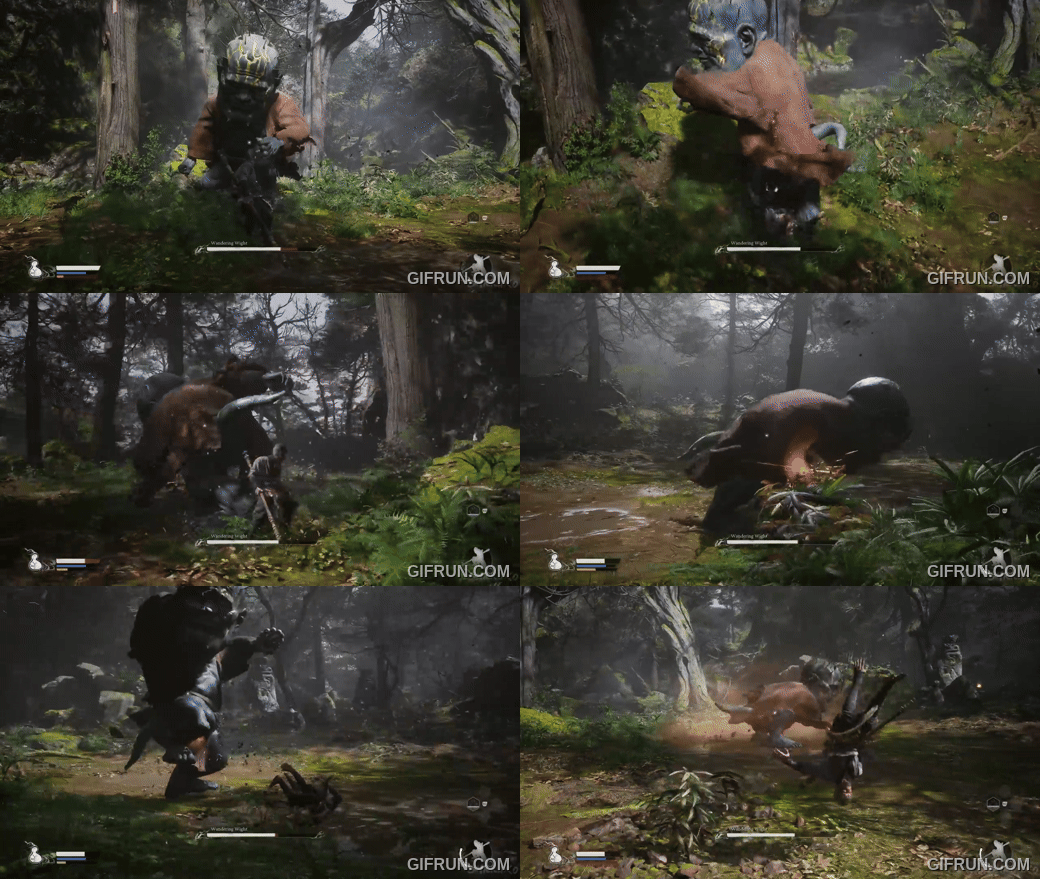

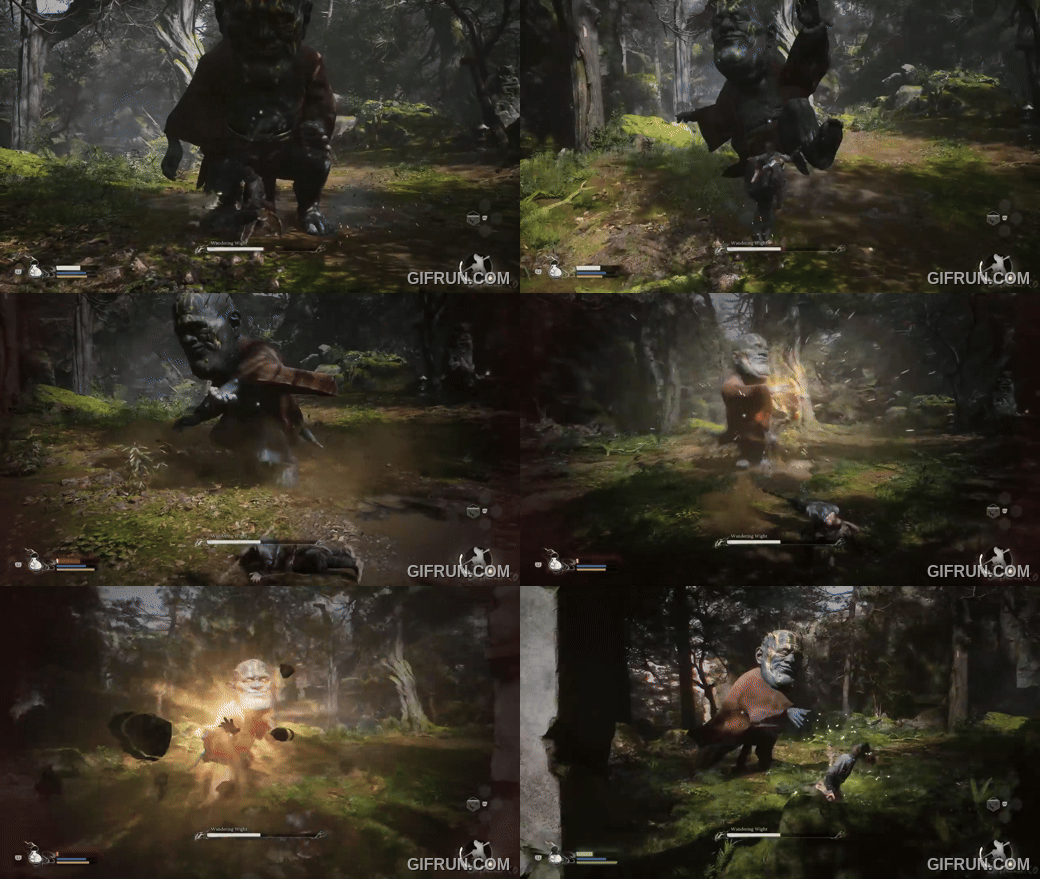
Each sequence is a combination of three to four attacks demanding a dodge for each attack thus skill testing the player’s ability to chain dodges effectively. Mastering chain dodging right now is crucial to playing the rest of the game.
Lack of experience with chain dodging contributes heavily to the difficulty of this fight.
Now given that the boss is large and the player needs to maintain distance from him to avoid heavy hits and learn about his openings, the Wight will need a Gap Closer attack as well as other long range attacks.
A gap closer attack makes the enemy get very close to the player, usually by jumping or dashing, resetting the distance and re-engaging the player in the fight. This ensures that the player does not constantly maintain distance from the boss and develop that as a dominant strategy of dealing with the boss.
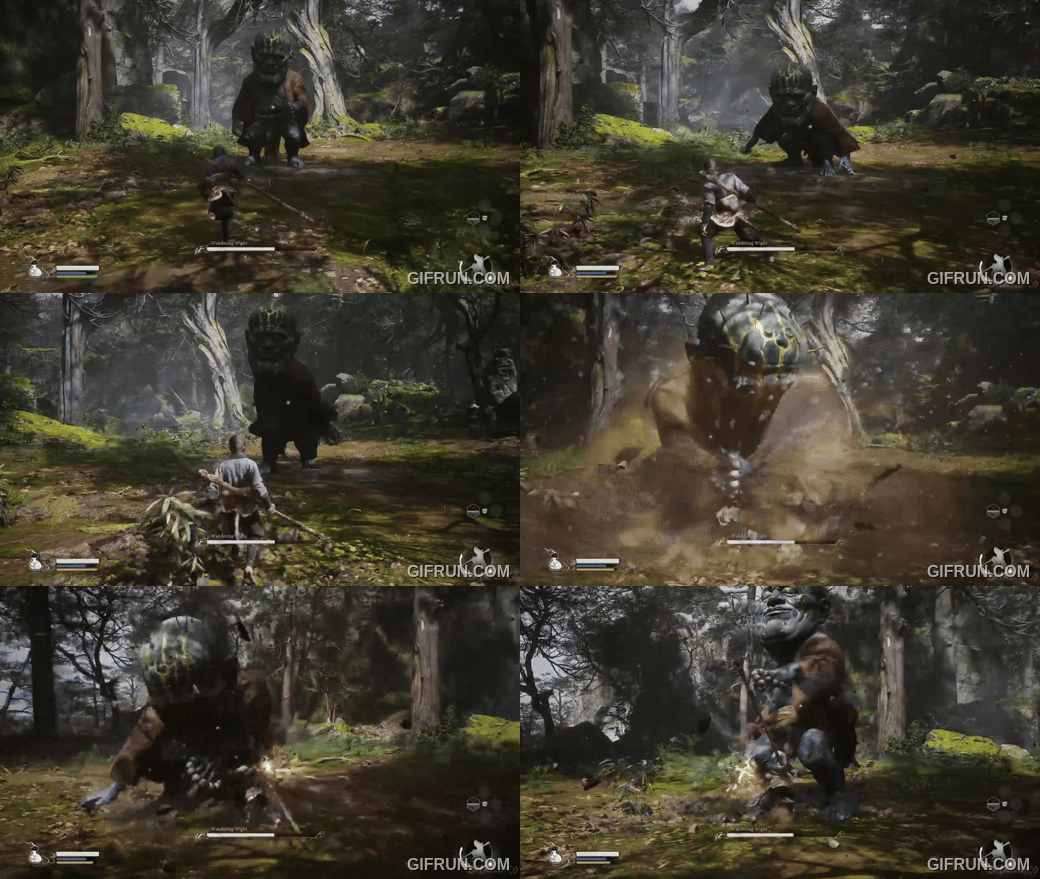
To look deeper into the attack, it is sort of a homing attack so it forces the player to dodge at the last moment, giving a tighter skill check on dodging. To ready the player for the last moment dodge, the attack has a large anticipation timing so that if players are standing sort of close to the Wight, then a quick gap closer attack doesn’t feel like a cheap shot. The attack also has a pretty big follow through which allows players to get close and get in a combo of attacks. This combo opportunity is the player’s reward for dodging for the attack successfully.
Secondly, because of a large arena and the tendency of the player to stay away from the Wight, the Wight will need a few long range attacks.

Single target energy wave – This is a quick attack with again, a tight dodge window. The attack forces the player to dodge sideways. So this attack reinforces the skill check of player’s mastery on dodging. The anticipation frames are not long for this attack since the player is expected to be far. The downside of this attack for the player is that there is not enough time to get close and damage the Wight. Instead, the recovery frames of this attack give the player a good opportunity to recover.
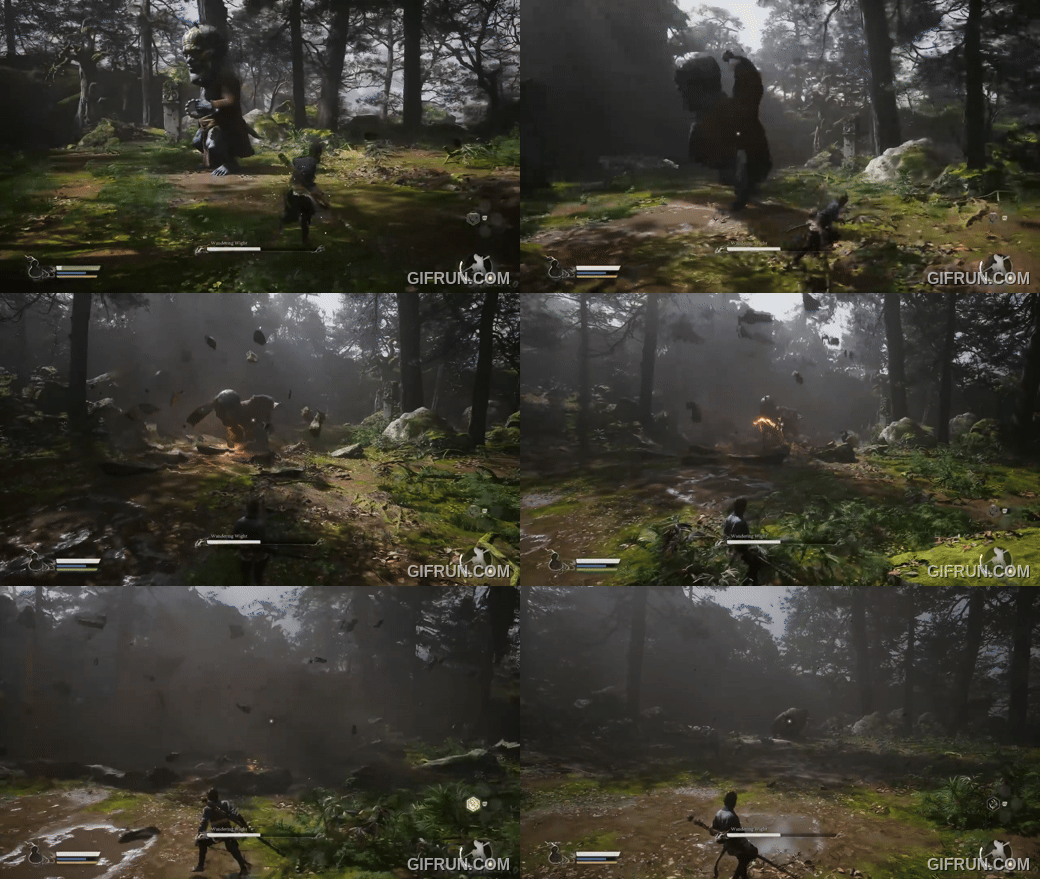
Area of effect energy shockwave — Unlike the previous attack which shoots a beam of energy in a single line, this attack shoots out energy radially creating an area of effect attack. The attack is also much slower but forces the player to dodge backwards multiple times and pushes them to the back of the arena. It builds up slowly but almost one shots the player if it hits. So for the Wight, this is a high risk, high reward reward. Large anticipation and recovery time for the attack provides the player with a good opportunity to heal.
Overall different attacks use the arena in different ways and test dodging and chain dodging in unique ways. Therefore while designing attack sets, it is important to think about the type of attack, the skills the attack tests and what sort of post attack opportunity does the player get. Define which attacks can be interrupted. Providing a good mix of answers for every attack in the set will help created a strong and varied attack set for the boss.
Attack Frequency
Apart from an attack set, the player should be able to understand and predict the boss’ attack frequency. How often will this boss attack? What sort of attacks should can I expect next? What is a good time to get an attack or a combo in? These are the questions that the player is constantly asking themselves when dealing with a boss.
Define time windows between attacks. There can be a 2 second delay after light attacks, 3–4 second delay after heavy attack sequences and so on. Help the players develop a pattern in their minds as they keep fighting the boss — sometimes multiple times.
Usually for initial bosses, there is a longer gap between attacks but Wight here is the first boss in the game where we see reduced rest windows further adding to the difficulty of the fight.
Stagger
Staggering attacks, particularly in fighting games, refers to a technique of slightly delaying attacks to disrupt the opponent’s timing and create opportunities for counter-attacks.
Bosses staggering is usually a good way to let the player know that now is the time to attack. Wight can stagger with a successful light attack combo executed by the player. This gives enough opportunity for players to get in a couple of more combos before enemy goes into an uninterruptible attack.
Before the boss, the players acquire a special freeze ability that lock the enemy in place and allows players to get in a large stagger attack. This boss becomes a good opportunity for player to practice this newfound ability shown in the GIF below.
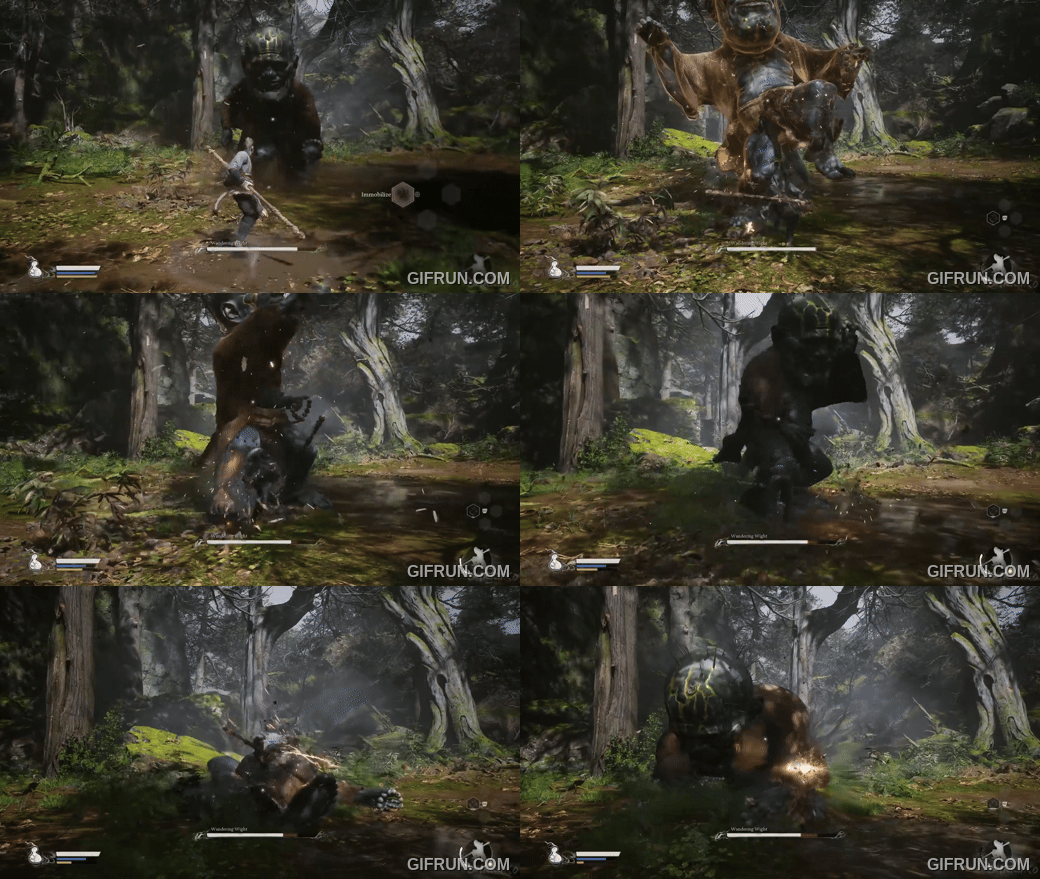
So while designing an early boss it is necessary to give the players multiple and clear opportunities to stagger the boss.
Well designed stagger opportunities will make the player feel rewarded.
Conclusion
In conclusion, when starting to design out the boss the most important information a designer needs is what skills the player has when fighting the boss, which combat skill check blocker is the boss acting as and what are some other design goals of the boss.
After that comes considerations and questions a designer must ask to develop the boss’ attack set, attack frequency, stagger opportunities as well as the arena for the boss fight.
These considerations for the boss design are in no way comprehensive but are good enough to get the designer to start thinking about the technical design of the boss. Additionally, there may be other considerations necessary to better integrate the boss in the game like narrative needs and level design impact.

How to design an early boss fight? Wandering Wight boss in Black Myth: Wukong was originally published in UX Collective on Medium, where people are continuing the conversation by highlighting and responding to this story.
This post first appeared on Read More