
My Favorite Resource for System Design Interview Preparation
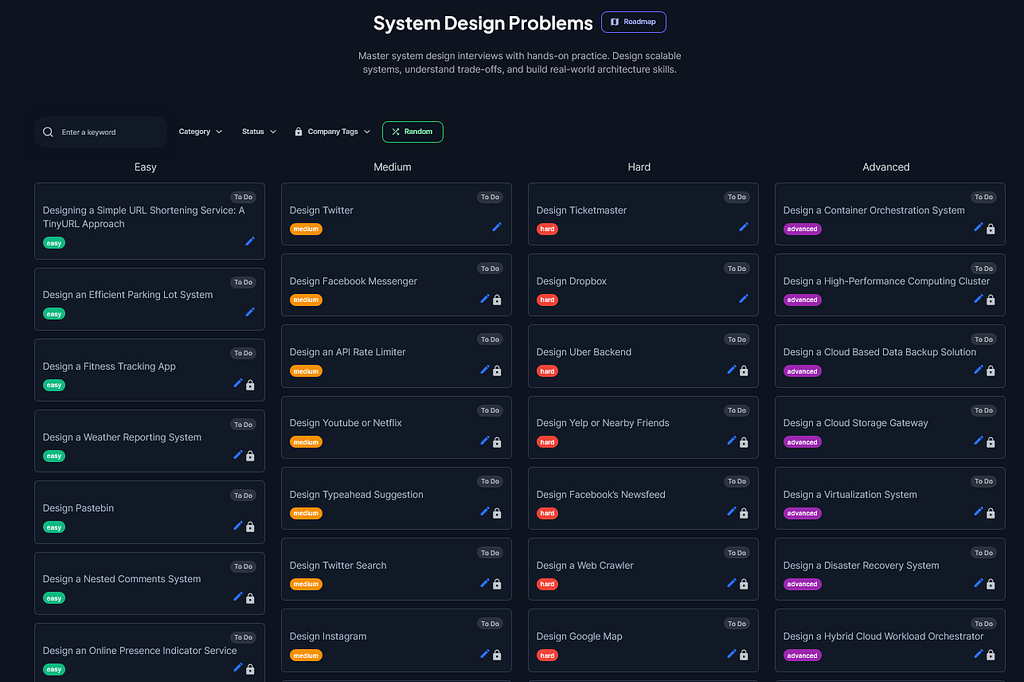
Hi there, If you’ve ever prepared for a FAANG interview, you know the drill:
LeetCode for algorithms. Easy, Medium, Hard. Structured progression. Hints when stuck. Community solutions to learn from.
But what about System Design?
For years, system design preparation has been fragmented. Long articles. Expensive courses. No hands-on practice. No structured progression. No real feedback.
Until now.
I recently discovered Codemia.io, and honestly? It feels like someone finally built LeetCode for System Design interviews.
Codemia | Master System Design Interviews Through Active Practice
Not just a course. Not just articles. An actual practice platform with 160+ system design problems, step-by-step guidance, expert solutions, and AI-powered feedback.
This changes everything about how you prepare for system design interviews.
The Problem with System Design Prep
Before discovering Codemia.io, system design preparation felt fundamentally broken.
Here’s the problem:
LeetCode is amazing for DSA. You get:
- Clear problem statements
- Difficulty categories (Easy, Medium, Hard)
- Hints when you’re stuck
- Community solutions to learn from
- Structured progression
But system design has none of this.
Instead, you get:
- Long, text-heavy articles that require hours to understand
- Expensive courses that are theory-heavy, not practice-focused
- No hands-on practice environment where you can actually design and iterate
- No structured progression — one day you’re learning load balancing, the next day you’re jumping to database sharding
- No expert feedback — how do you know if your design is actually good?
- No comparison — you can’t see how others approached the same problem
This is where most engineers struggle. DSA prep is straightforward. System design prep is chaotic.
Introducing Codemia.io: The LeetCode for System Design
Codemia.io solves this problem completely.
It’s a dedicated practice platform for system design and object-oriented design interviews. Not a course. Not articles. A practice platform with:
- 160+ system design problems
- 100+ expert written solutions
- AI-powered hints and feedback
- Drawing board for architecture sketches
- Difficulty-based categorization
- Company tags to focus on what you need
- Community solutions and discussions
For the first time, system design prep has the structure and rigor that DSA prep has had for years.
Let me show you why this is a game-changer.
What Makes Codemia.io Special
Here are few reasons which makes codemia.io a special resource to prepare for System Design Interviews
1. Real-World System Design Problems with Structured Guidance
Codemia.io has over 160+ system design problems, each with a structured approach exactly like LeetCode for DSA.
Take the classic Design a URL Shortening Service problem.
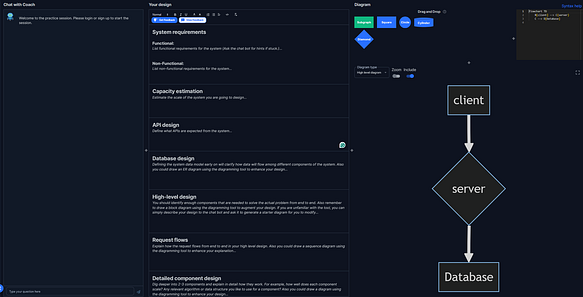
When you open it, you see:
- Functional and Non-Functional Requirements — What does the system need to do?
- Capacity Estimation — How much scale are we talking about?
- Database Schema and API Design — What’s the concrete structure?
- High-Level & Low-Level Design — How do components connect?
Each section guides you step-by-step. You’re not starting from a blank canvas wondering where to begin. The problem is structured.
Better yet: You get a drawing board to sketch your architecture, just like in a real system design interview.
And most importantly? Codemia.io provides expert solutions. You can see how an expert would design a URL shortening service and learn from their reasoning. This is how you develop intuition.
2. Difficulty-Based Categorization (Like LeetCode)
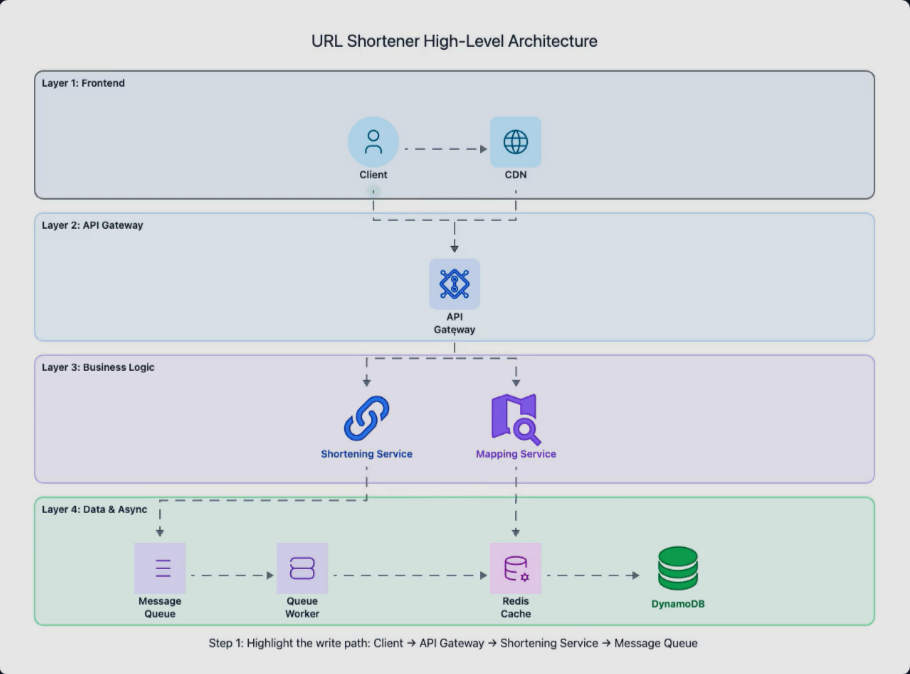
Just like LeetCode categorizes DSA problems, Codemia.io categorizes system design and OOP design problems:
Easy — Foundational concepts you must understand:
- Load Balancing
- Caching strategies
- Message Queues
- Basic database concepts
Medium — Practical scenarios that appear in real interviews:
- Rate Limiting
- Search Autocomplete
- Real-Time Chat Systems
- Design Twitter (a classic medium-level problem)
- Session management
Hard — Complex, advanced designs:
- Distributed Databases
- Cloud Storage systems
- Microservices Architecture
- Large-scale search systems
Each problem is tagged by company, so you can focus on what’s actually asked at Google, Amazon, Meta, Netflix, Uber, and other top tech companies.
This structure means you can progress systematically. Start with Easy to build fundamentals. Move to Medium for real interview scenarios. Tackle Hard for senior-level positions.
3. Free System Design Course
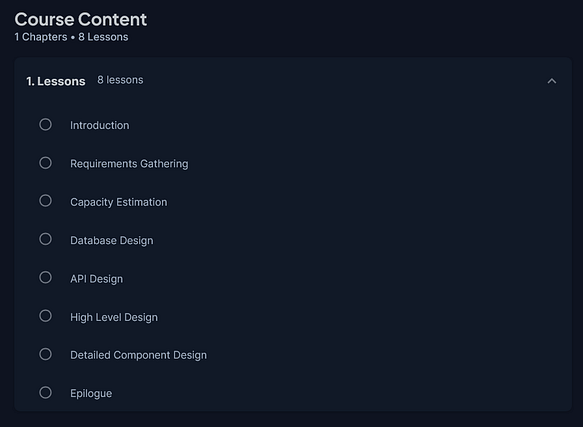
Codemia.io also offers a free system design course called Tackling System Design Interview Problems.
It’s short (2 hours of content), but dense. You learn:
- How to approach system design problems
- Essential architectural concepts
- Design thinking patterns
- And it includes quizzes to test your understanding
This is a perfect starting point before diving into practice problems.
4. AI-Powered Hints & Expert Feedback
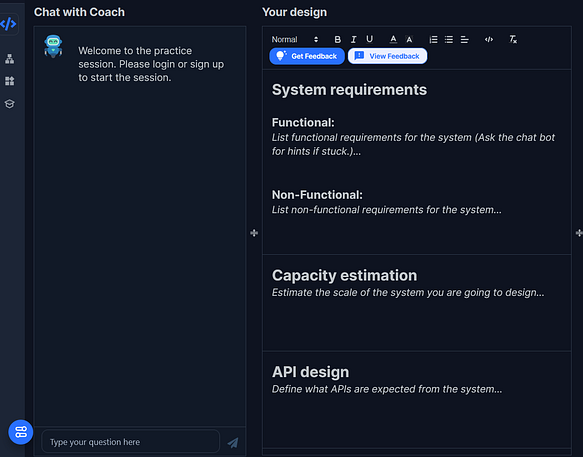
One of the best features is AI-assisted coaching. You get an interactive coach that:
- Provides hints when you’re stuck — Just like LeetCode’s hint system
- Evaluates your design proposal — Checks it against industry best practices
- Gives automated feedback — On scalability, fault tolerance, and efficiency
- Explains trade-offs — Why one approach is better than another
This bridges the gap between self-learning and having an actual mentor. You’re not just designing in a vacuum — you get feedback that helps you improve.
5. Object-Oriented Design (OOP) Problems
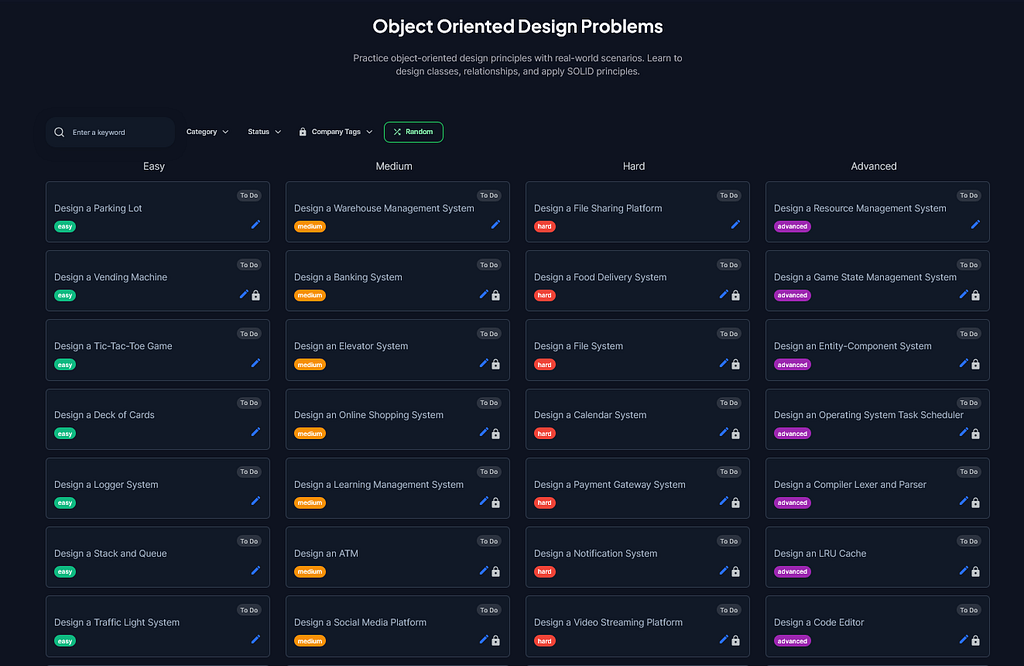
Codemia.io goes beyond system design. It also covers Object-Oriented Design (OOP), which is a common low-level design round at FAANG interviews.
Problems include:
- Parking Lot — A classic interview problem
- ATM Machine — Testing your design skills
- Hotel Booking System — Real-world scenario
- And many more
Each comes with:
- Step-by-step UML diagrams
- Class structure explanations
- Design pattern comparisons
If you’ve struggled with OOP design interviews, this is a goldmine.
View all OOP design problems on Codemia.io
What I Love About Codemia.io
Here are few things I really loved about Codemia.io:
1. It Feels Like LeetCode for System Design
Finally, system design prep has the structure and rigor of DSA prep. You progress through problems systematically. You get hints. You compare solutions. You understand trade-offs.
2. Expert Solutions Help You Learn the Right Approach
Seeing how an expert would answer each problem is invaluable. It’s not just about getting the right answer — it’s about understanding what to discuss, what points to mention, what trade-offs matter.
3. Community Learning
You can see how other users approached the same problem. This comparative analysis has helped me understand different design patterns and when to apply them.
4. AI Feedback Actually Helps
The AI coach provides relevant feedback. It’s not generic — it’s actually checking your design against principles and best practices.
5. Everything in One Place
No jumping between courses and LeetCode and random articles. You have:
- Problems
- Solutions
- Guidance
- Feedback
- Community learning
All integrated into one platform.
Who Should Use Codemia.io
Perfect for:
- Anyone preparing for FAANG system design interviews
- Engineers interviewing for senior positions
- People who want to level up their system design thinking
- Anyone who found LeetCode helpful for DSA and wants the same for system design
Also great for:
- Software engineers learning system design
- Architects wanting to sharpen their skills
- Engineering managers who want to understand systems better
Pricing and Discount
Codemia.io offers affordable pricing:
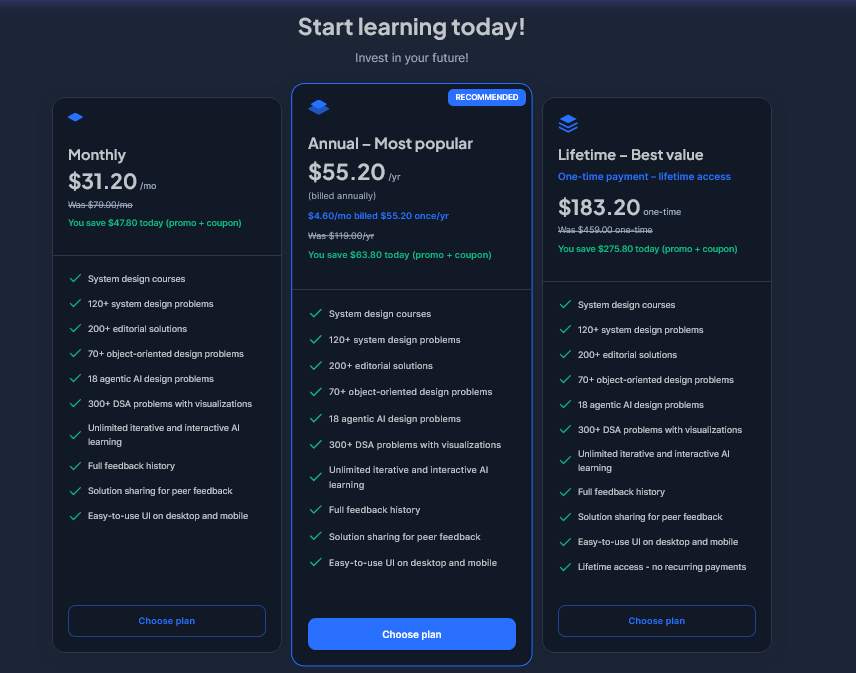
- Lifetime access: Usually $459 but now you can get it for just $183.20
- Current promotion: 20% off with code PROMOTION20
- Effective cost: Just $59/year — an absolute steal
For the amount of content (160+ problems, 80+ expert solutions, AI coaching), this is one of the best values in tech education.
I also recommend their lifetime plan because that provides the best value and its cost is very similar to what other platform charges for their annual membership.
Get 20% Off Codemia.io with Code PROMOTION20
My Final Verdict
After years of fragmented system design prep, Codemia.io finally brings structure and rigor to the domain.
It solves the biggest problems in system design preparation:
- Structured learning path (instead of random articles)
- Real-world hands-on practice (instead of just reading)
- Expert evaluation & AI feedback (so you know what to improve)
- Difficulty-based progression (just like DSA prep)
- Community learning (see how others approach problems)
- Integrated platform (everything you need in one place)
If LeetCode transformed DSA interview prep, Codemia.io has the potential to do the same for system design.
I highly recommend it if you’re preparing for system design interviews.
Start practicing on Codemia.io — Use code PROMOTION20 for 20% off
Codemia | Master System Design Interviews Through Active Practice
Final Thoughts
System design interviews have always been the hardest part of tech interviews to prepare for. Unlike algorithms where you can grind LeetCode, system design felt nebulous and unstructured.
Codemia.io changes that.
For the first time, you have a dedicated, well-structured platform to practice system design with the rigor and progression of LeetCode.
If you’re serious about cracking system design interviews — whether at FAANG or your dream company — give Codemia.io a try.
Use code PROMOTION20 to get 20% off and join thousands of engineers practicing system design the right way.
Codemia | Master System Design Interviews Through Active Practice
All the best for your System Design interview !!

I Found LeetCode for System Design Interview and It’s Awesome was originally published in Javarevisited on Medium, where people are continuing the conversation by highlighting and responding to this story.
This post first appeared on Read More