
My favorite books to learn Machine Learning in 2026
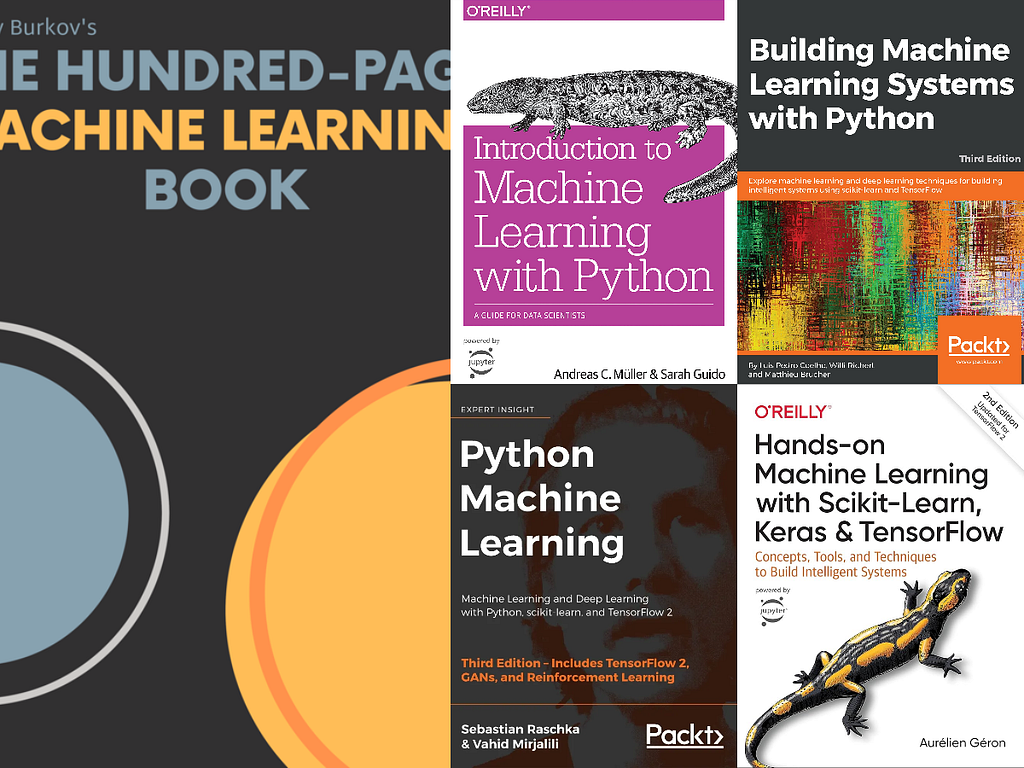
Hello friends, after reading 20+ machine learning books and testing them against real projects, I’ve distilled the essential reading list for engineers who want to actually build ML systems — not just understand theory.
This isn’t a ranked list of what’s “best.” It’s a practical roadmap of what you should read in order, paired with courses to solidify the concepts through hands-on practice.
By the way, if you are a beginner and looking for a structured resource to not just learn Machine Learning but also earn a certification then I also suggest you to checkout Microsoft AI & ML Engineering Professional Certificate, this is a great resource to any one who want to become an AI and ML Engineer in 2026.
You will not jut learn essential skills but also earn a certification from Microsoft and Couresra.
Why These Books?
After reading 20+ ML books, these five consistently appear in:
- Reddit threads asking for best resources
- Hacker News discussions
- Twitter recommendations from ML engineers at Google, Meta, Tesla
- University curricula for ML programs
They’re not hype. They’re proven resources and you must know about them to learn ML better.
The Machine Learning Engineer Reading List for 2026: 5 Books That Matter
Without any further ado, here the best Machine Learning books you can read in 2026 to really master ML and become an expert Engineer.
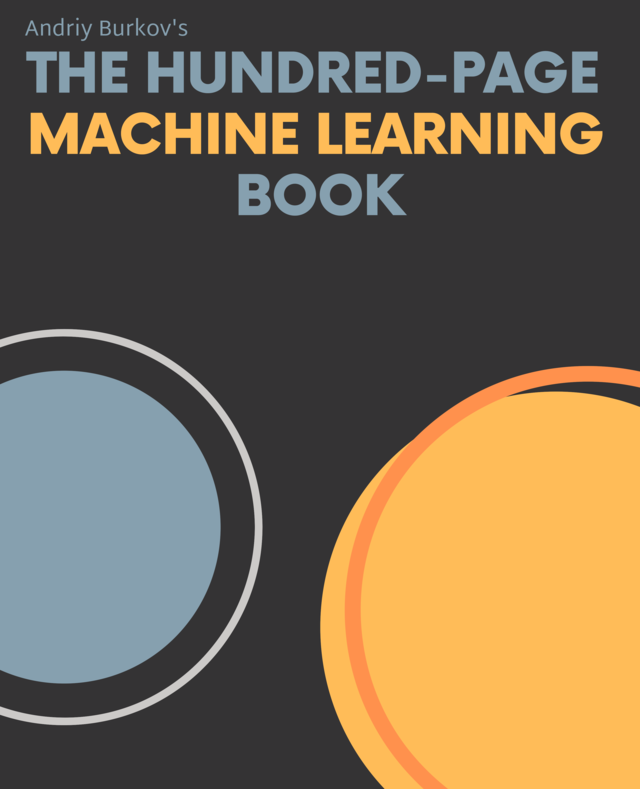
1. The Hundred-Page Machine Learning Book — Start Here (Foundation)
Author: Andriy Burkov | Pages: ~100 | Time: 4–6 hours | Cost: ~$38
Why it matters:
Don’t let the page count fool you. This is the most recommended ML book on the internet for a reason — it compresses the core concepts into digestible chapters.
You’ll learn:
- What machine learning actually is (not the hype version)
- How algorithms work (mathematically, but accessibly)
- Supervised vs. unsupervised learning (the fundamental split)
- Deep learning basics (why neural networks matter)
- Practical production considerations (where most courses fail)
It’s the book that makes everything click. Read this first. Everything else will make more sense.
Paired course: Andrew Ng’s Machine Learning Introduction on Coursera (the foundational course by the pioneer himself)
Best for: Complete beginners, or anyone who feels lost after taking a course. This is your mental model foundation.
Here is the link to get this book — The Hundred-Page Machine Learning Book — Start Here
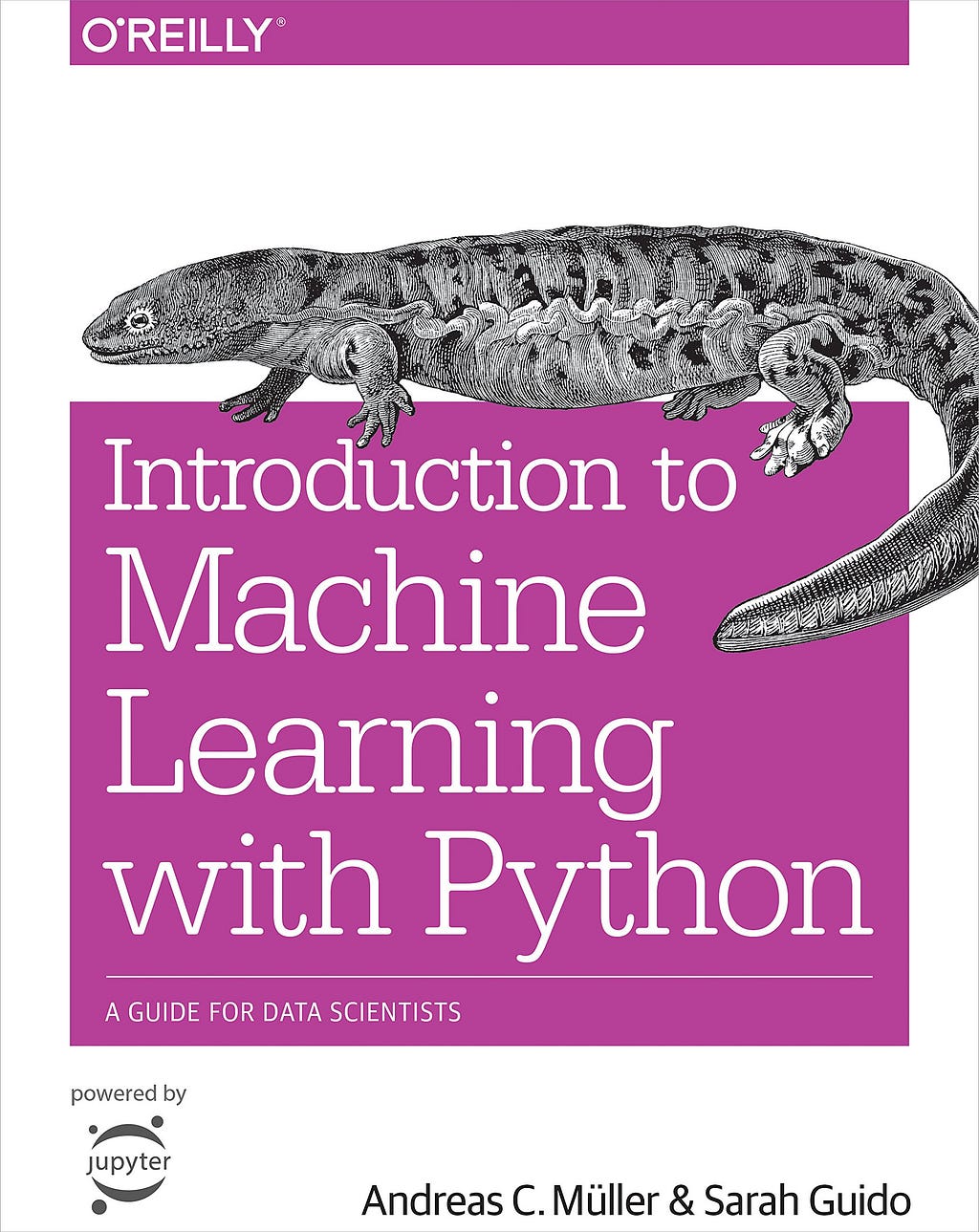
2. Introduction to Machine Learning with Python — Go Deeper (Practical Foundations)
Authors: Andreas C. Müller & Sarah Guido | Pages: 402 | Time: 20–30 hours | Cost: ~$10 (Kindle)
Why it matters:
This is where theory meets practice. You’ll actually understand how scikit-learn works under the hood and when to use which algorithm.
Covers:
- Supervised learning fundamentals (regression, classification, decision trees)
- Unsupervised learning (clustering, dimensionality reduction)
- Model evaluation & selection (the hardest part that courses skip)
- Text data & NLP basics (crucial for real-world work)
- Pipeline & cross-validation (production-ready patterns)
The book is dense but incredibly practical. Every concept includes real code examples you can run and modify.
Paired course: Microsoft AI & ML Engineering Professional Certificate (hands-on projects)
Best for: Developers with Python experience wanting to build ML models. If you’re coming from a software engineering background, this bridges the gap perfectly.
Here is the link to get this book — Introduction to Machine Learning with Python — Go Deeper
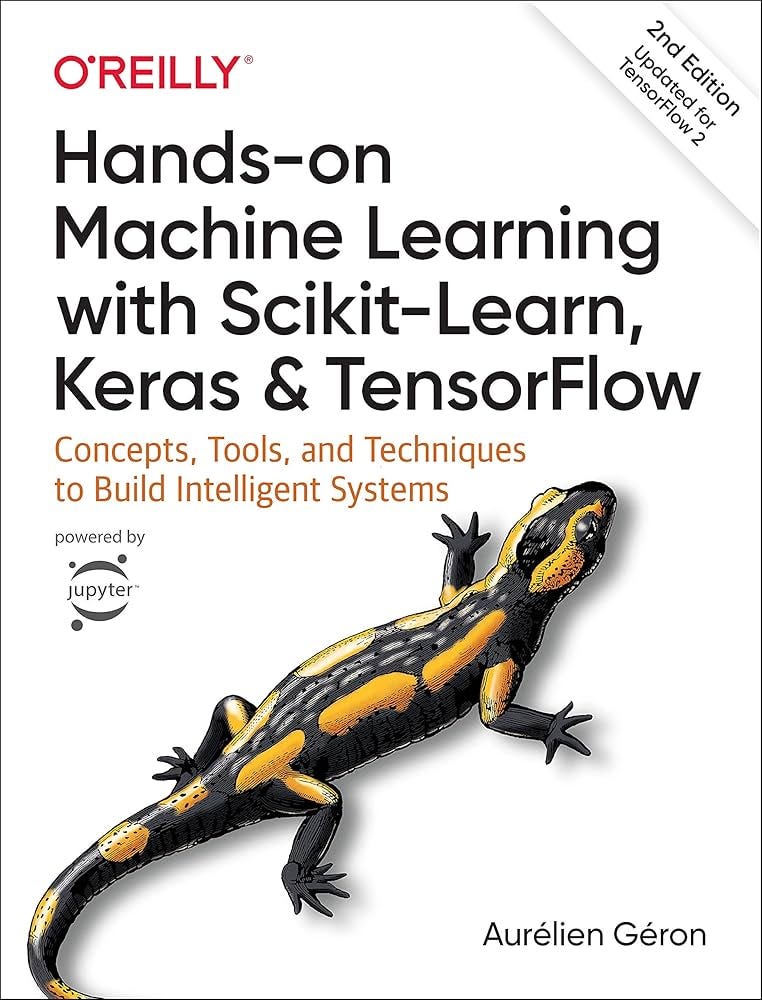
3. Hands-On Machine Learning with Scikit-Learn, Keras, and TensorFlow — Build Real Systems (Production-Ready)
Author: Aurélien Géron | Pages: 920 | Time: 40–60 hours | Cost: ~$50
Why it’s the best:
This is the gold standard. If you only buy one ML book, buy this one.
Géron doesn’t waste time on theory you can Google. Instead, he teaches you:
- End-to-end ML projects (from data collection to deployment)
- Modern deep learning (CNNs, RNNs, transformers — the 2026 stack)
- TensorFlow 2.0 & Keras (the current production standard)
- Training techniques (batch normalization, dropout, etc.)
- Real-world considerations (scaling, monitoring, drift)
The book is thick, but every page teaches something you’ll actually use. Code examples run immediately. Projects build on each other.
Paired course: Complete A.I. & Machine Learning, Data Science Bootcamp course by Andrew Negaoie (covers similar scope, different teaching style)
Critical for: Anyone building ML systems for production. This is the difference between “I completed a Kaggle competition” and “I shipped an ML model that users rely on.”
Best for: Intermediate engineers who want to level up from tutorials to systems. Read after books #1 and #2.
Here is the link to get this book — Hands-On Machine Learning with Scikit-Learn, Keras, and TensorFlow — Build Real Systems
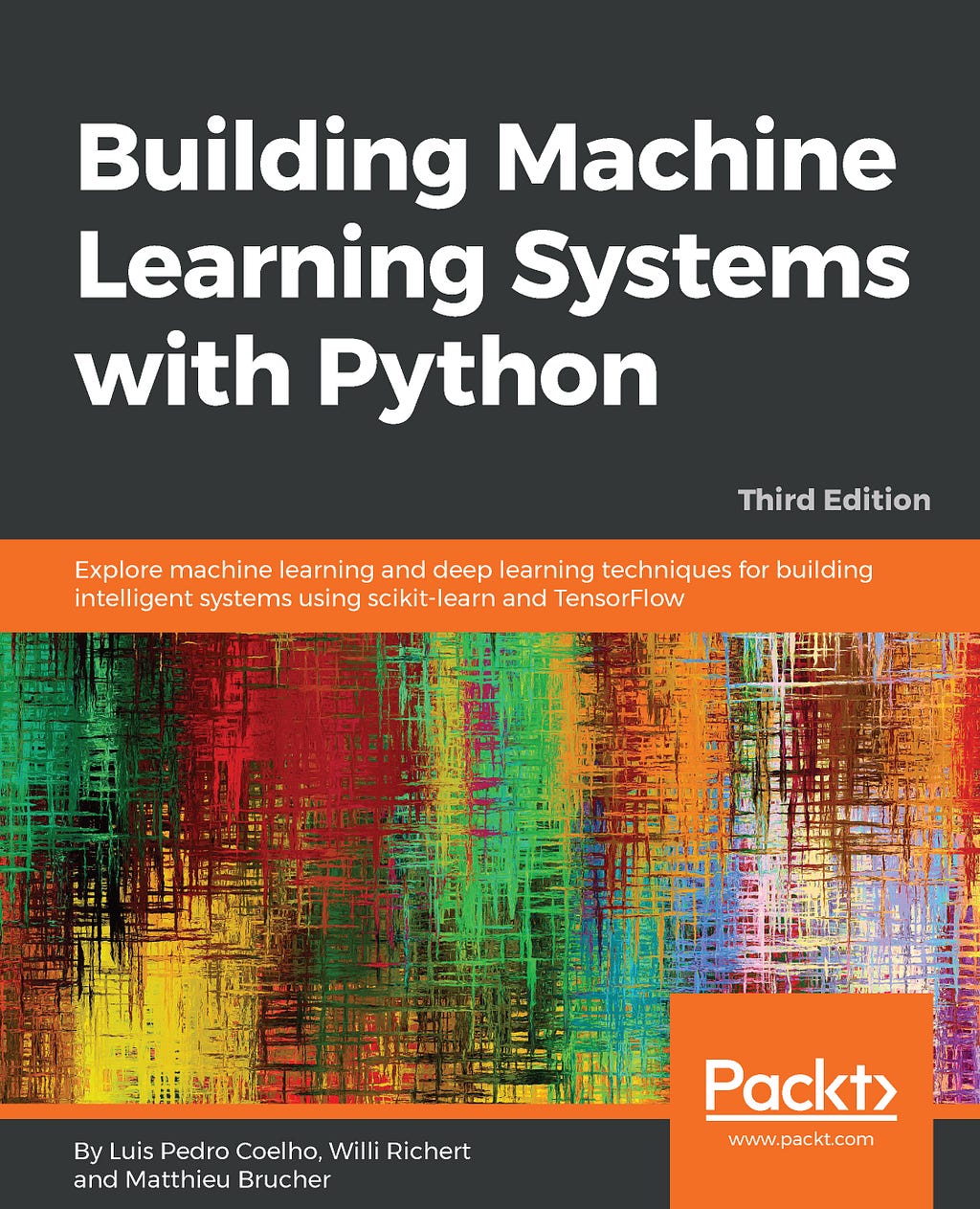
4. Building Machine Learning Systems with Python — Specialize (Real-World Applications)
Authors: Willi Richert & Luis Pedro Coelho | Pages: 300 | Time: 15–20 hours | Cost: ~$18 (Kindle)
Why it’s practical:
While other books are broad, this one goes deep on specific problem domains.
You’ll master:
- Data visualization (matplotlib, seaborn — seeing your data matters)
- Real-world classification problems (not toy datasets)
- Text processing & sentiment analysis (NLTK, modern NLP)
- Clustering & recommendations (common production use cases)
- System integration (how ML fits into larger applications)
This is the book that teaches you to think like an ML engineer instead of a data scientist. It focuses on building systems, not just fitting models.
Paired course: TensorFlow Developer Certificate on Coursera (by DeepLearning.AI) (hands-on TensorFlow specialization)
Best for: Python developers who want to add ML to their toolkit. If you’re from a software engineering background (not pure data science), this book speaks your language.
Here is the link to get this book — Building Machine Learning Systems with Python — Specialize
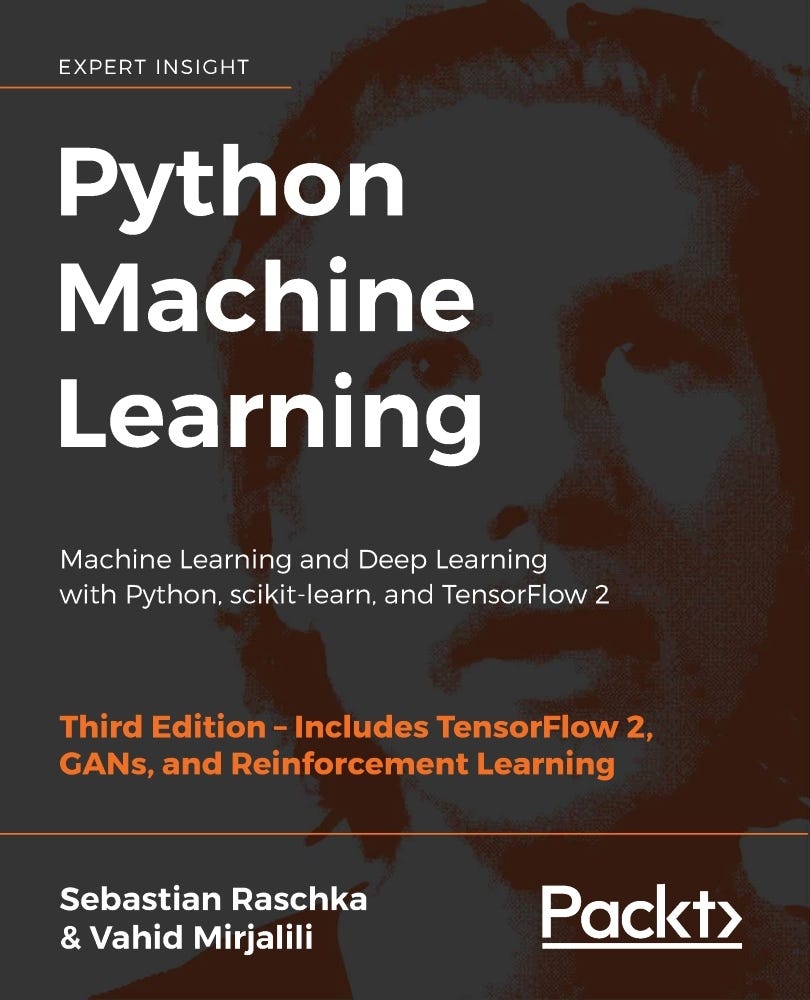
5. Python Machine Learning (3rd Edition) — Master Deep Learning (Advanced Systems)
Authors: Sebastian Raschka & Vahid Mirjalili | Pages: 770 | Time: 50–70 hours | Cost: ~$17 (Kindle)
Why it’s comprehensive:
This is the book you reference when you want to understand exactly how something works. It’s your advanced reference guide.
Covers everything:
- Classical ML algorithms (decision trees, ensemble methods, SVM)
- Deep learning architectures (CNNs, RNNs, attention mechanisms)
- TensorFlow 2.0 & Keras API (production frameworks)
- Text & sentiment analysis (modern NLP with transformers)
- Generative models (GANs, autoencoders — emerging in 2026)
- Distributed training (how to scale beyond your laptop)
The 3rd edition was updated for modern practices. It’s dense, but incredibly thorough.
Paired course: Advanced Machine Learning with TensorFlow on Coursera (for TensorFlow production patterns)
Best for: Experienced engineers who want deep technical knowledge. Read after you’ve completed the first three books and built a few projects. This is your reference manual for years to come.
Here is the link to get this book — Python Machine Learning (3rd Edition) — Master Deep Learning
Why Books Over Courses?
Here’s the uncomfortable truth: courses teach you what to do. Books teach you why.
A course might show you how to tune a neural network. A book explains the mathematical foundations so you can debug when things break at 3 AM.
In 2026, with AI changing weekly, books are your insurance policy against obsolescence.
Real Talk: What Not to Do
❌ Don’t read all 5 books cover-to-cover sequentially
Some are reference books meant for dipping in and out. Read #1 and #2 linearly. Use #3 for projects. Keep #4–5 on your shelf for lookups.
❌ Don’t skip the math
ML is fundamentally mathematical. You don’t need to be a mathematician, but you need to understand the math enough to know what levers to pull. These books teach math in context, which is the right way.
❌ Don’t skip the code
Read the books, but run every code example. Modify it. Break it. Fix it. That’s how learning actually happens.
Bonus: Supplement With These
Once you’ve read the core five, expand with:
- Grokking the Machine Learning Interview (Educative) — For interview prep
- Deep Learning by Goodfellow, Bengio, Courville — Advanced theory (free online)
- TensorFlow in Practice Certificate (Coursera) — Hands-on TensorFlow mastery
Final Word
That’s all about the 5 best Books you can read to learn ML in 2026. Machine learning in 2026 is no longer optional if you want to stay relevant. But you don’t need to take 50 courses.
You need to:
- Read these five books (in order)
- Pair them with practical courses
- Build projects while reading
- Read them again in 6–12 months (you’ll understand 10x more)
The engineers shipping AI systems aren’t taking more courses than you. They’re reading more books and building more projects.
Start with book #1 this week. By 2027, you’ll be the person everyone asks for ML advice.
Now go read something great. The future of ML is built by engineers who understand it deeply.
P. S. — If you want to do just one thing, I suggest go ahead and join Microsoft AI & ML Engineering Professional Certificate on Coursera. You will not just learn essential AI and ML skills but also earn a certificate from Microsoft.

The Machine Learning Engineer Reading List for 2026: 5 Books That Matter was originally published in Javarevisited on Medium, where people are continuing the conversation by highlighting and responding to this story.
This post first appeared on Read More