
How I used codemia.io to learn System Design, OOP Design and Agentic AI design for tech interviews in 2026
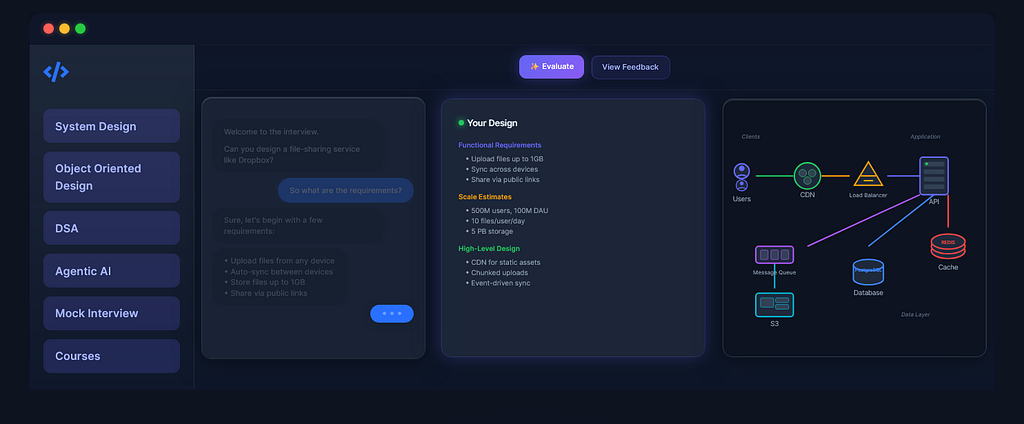
Hello friends, System design interviews have evolved. In 2024, knowing load balancing and databases got you through. In 2026, you need to understand distributed systems, microservices architecture, AND how to design AI-powered systems at scale.
The bar keeps rising. And most engineers aren’t prepared.
That’s where Codemia.io comes in.
After months of testing different platforms, I can confidently say: Codemia.io is the LeetCode for system design interviews — but better, because it actually teaches you how to think about these problems, not just regurgitate solutions.
Master System Design Interviews Through Active Practice
Why System Design Interviews Matter More Than Ever in 2026?
System design interviews have become the ultimate differentiator between mid-level and senior engineers. Here’s what’s really being evaluated:
1. Scalability — Can you design systems handling billions of requests?
2. Performance — Do you understand latency, throughput, and optimization trade-offs?
3. Reliability — Can you architect fault-tolerant systems that don’t catastrophically fail?
4. Maintainability — Will engineers actually want to work with your design?
5. Communication — Can you articulate complex ideas clearly under pressure?
6. AI Integration — Can you design systems that leverage LLMs and vector databases?
The engineers who ace system design interviews aren’t necessarily smarter. They’re more prepared.
And that’s the advantage Codemia.io gives you.
Master System Design Interviews Through Active Practice
The Real Challenge: Why System Design is So Hard
I’ve talked to 50+ engineers who failed system design interviews at FAANG companies. Here’s why they struggled:
❌ Information overload — System design spans databases, caching, distributed systems, networking, scaling, monitoring. Where do you even start?
❌ Ambiguous problems — Unlike coding interviews with a single correct answer, system design problems have multiple valid solutions. You don’t know if you’re on the right track.
❌ Lack of feedback — Most study materials show solutions, but not why those solutions work or where they’d fail.
❌ Time pressure — 45–60 minutes to design a complex system. That’s brutal without practice.
❌ Unknown expectations — What exactly is the interviewer looking for? Scalability? Cost optimization? Trade-off analysis?
The problem: you can’t practice system design in isolation. You need real problems, expert feedback, and a framework for thinking through ambiguity.
Codemia.io solves all of this.
Master System Design Interviews Through Active Practice
What is Codemia.io (And Why It’s Different)
Codemia.io is an AI-powered platform built specifically for system design interview prep. It combines:
- 120+ system design problems (real questions asked at Google, Amazon, Meta, Microsoft)
- 80+ expert editorial solutions (written by engineers who’ve aced these interviews)
- AI-powered feedback (instant, detailed analysis of your solution)
- Interactive diagramming tools (practice drawing architectures)
- Free courses (learn frameworks before attempting problems)
- OOP design problems (elevators, parking lots, vending machines)
- Agentic AI problems (cutting-edge for 2026)
The differentiator? Codemia doesn’t just give you answers. It teaches you how to think.
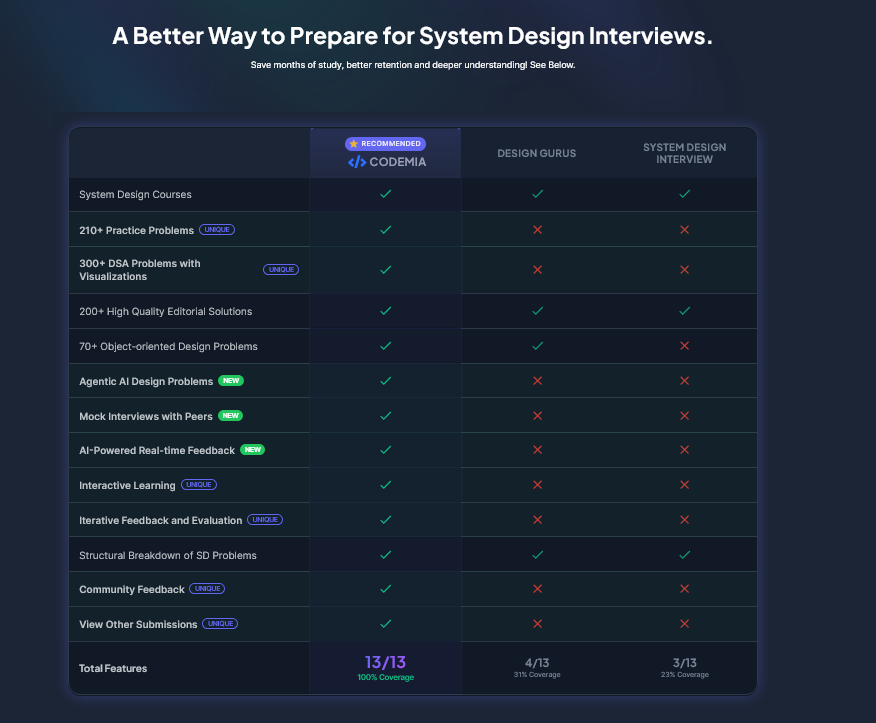
The 6 Features That Make Codemia.io Unstoppable
Here are few things I love about this platform:
1. Free System Design Course: The Foundation
Before jumping into problems, you need a framework. Codemia’s free course “Tackling System Design Interview Problems” teaches you exactly how to approach these interviews.
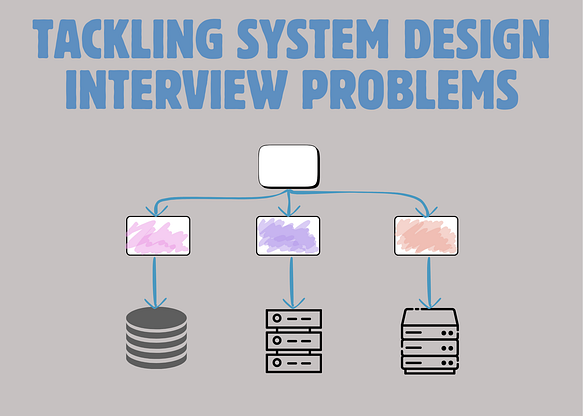
What you’ll learn:
- How to clarify ambiguous requirements (critical first step)
- High-level design (the big picture architecture)
- Deep-dive optimization (where most engineers fail)
- Trade-off analysis (scalability vs. consistency, latency vs. throughput)
- Bottleneck identification (where systems actually break)
The advantage: Most engineers jump into solutions without a framework. This course teaches you the method so you can apply it to any problem.
Best part: It’s completely free.
2. 120+ System Design Problems (The Biggest Library)
Theory is worthless without practice. Codemia has the largest collection of system design problems, organized by difficulty and company:
→ Browse all system design problems
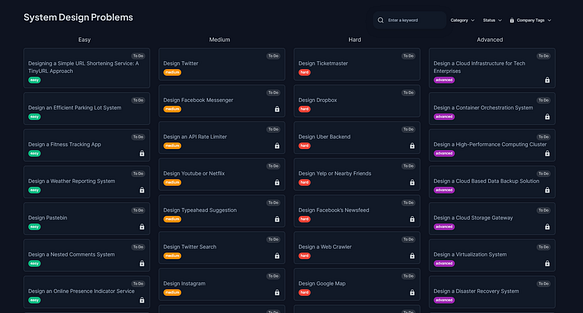
Free problems to get started:
- Design Twitter — Learn how to handle real-time data at billion-user scale
- Design Ticketmaster — Master handling high-concurrency booking systems
- Design Parking Lot System — OOP design + system thinking combined
- Design URL Shortener — Perfect warm-up problem
- Design Fitness Tracking App — Time-series data at scale
- Design Weather System — High-volume data distribution
Why this matters: Real practice with real problems. Not toy examples. Each problem simulates actual interview conditions.
3. Expert Editorial Solutions (Learn From The Best)
Here’s where most platforms fail: they give you problems, but not guidance.
Codemia’s editorial solutions show you exactly how experienced engineers approach these problems:
→ See expert solution: Design Twitter
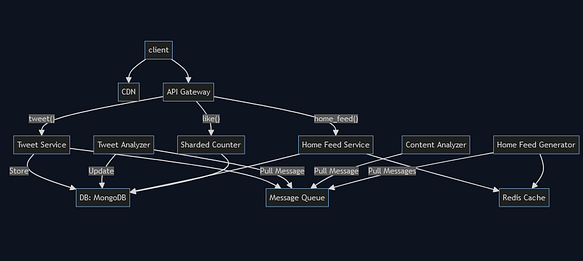
What you get:
- Step-by-step approach (clarifying questions → high-level → deep dive)
- Multiple design variations (when to use each approach)
- Trade-off explanations (why consistency over availability here, not there)
- Code examples (actual implementation patterns)
- Common mistakes (what fails in production)
Why it’s valuable: You’re learning from people who’ve done this in production, not just studied it.
4. AI-Powered Real-Time Feedback (The Game-Changer)
Submit your solution and get instant AI feedback on:
- Scalability — Will it handle millions of users?
- Fault tolerance — What happens when components fail?
- Efficiency — Are you wasting resources?
- Architecture clarity — Is your design understandable?
- Missing components — What did you forget?
This feedback loop is critical. Most engineers study in a vacuum and only get feedback during actual interviews — too late.
With Codemia, you get unlimited feedback iterations.
5. Visual Diagramming Tools (Practice Drawing)
System design interviews require you to draw your architecture while explaining it.
Codemia’s integrated diagramming tool lets you practice:
- Component diagrams (services, databases, caches)
- Data flow diagrams (how data moves through the system)
- Sequence diagrams (timing and concurrency)
→ Try diagramming on a free problem
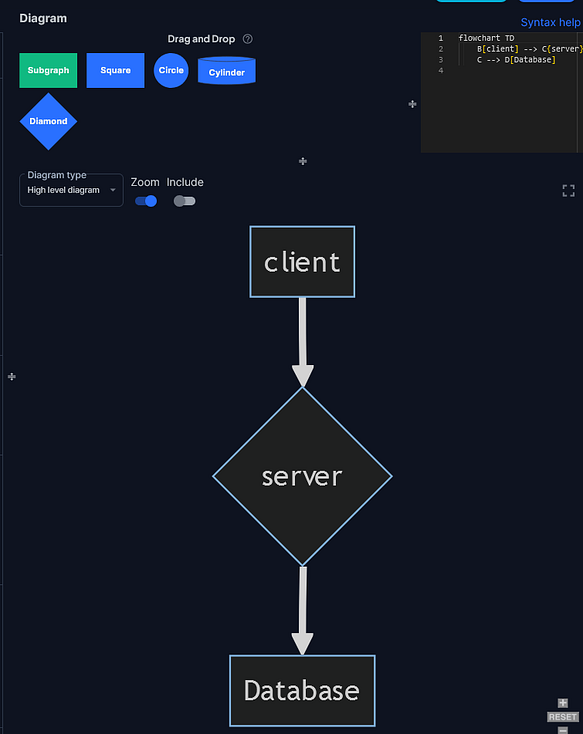
Why it matters: Interviewers watch you draw. If your diagram is messy or incomplete, you lose points. This tool ensures your visualizations are clear and professional.
6. System Design Roadmap (Structured Learning Path)
Don’t want to guess which problems to solve next? Codemia provides a curated roadmap:
- Beginner → Start with basics (URL shortener, cache)
- Intermediate → Add complexity (Twitter, Instagram, Uber)
- Advanced → Real production challenges (distributed transactions, global scale)
You can also filter by company (Google, Amazon, Meta, Microsoft) to practice their specific problem patterns.
The OOP Design + Agentic AI Expansion
Codemia isn’t just system design anymore. They’ve expanded to cover:
Object-Oriented Design Problems
- Design Parking Lot
- Design Vending Machine
- Design Elevator System
- Design Hotel Management System
These are critical for backend roles at FAANG (Amazon especially loves OOP design).
Agentic AI (New for 2026)
AI system design is now a legitimate interview topic. Learning to design systems that leverage LLMs is the 2026 differentiator.
4 Concrete Benefits of Using Codemia.io
Here are the key benefits of using codemia for system design and coding interviews:
1. Time Efficiency
- No more bouncing between YouTube, blogs, and books
- Structured curriculum from problem → solution → feedback
- Average prep time: 4–6 weeks with daily practice (vs. 3–4 months with scattered resources)
2. Industry-Relevant Content
- Problems based on actual FAANG interviews
- Editorial solutions from engineers at Google, Amazon, Meta, Microsoft
- Constantly updated with new problems (2–3 new problems weekly)
- Includes 2026 trends (AI system design, distributed systems evolution)
3. Personalized Learning
- Problems organized by difficulty
- Filter by company to target specific patterns
- Track progress and weak areas
- AI feedback identifies gaps in your thinking
4. Affordable
- Individual problem purchase: $5–10
- Annual premium: $99 (or currently $60 with 30% discount)
- Free courses and free problems
- Cost per problem: ~$0.50–1.00 when buying annually
Compare to alternatives:
- Private coaching: $200–500/hour
- Bootcamps: $10,000–20,000
- Educative/ByteByteGo: $200–300/year (broader, but less specialized for system design)
Codemia wins on specificity and ROI.
The Pricing (Currently 20% Off)
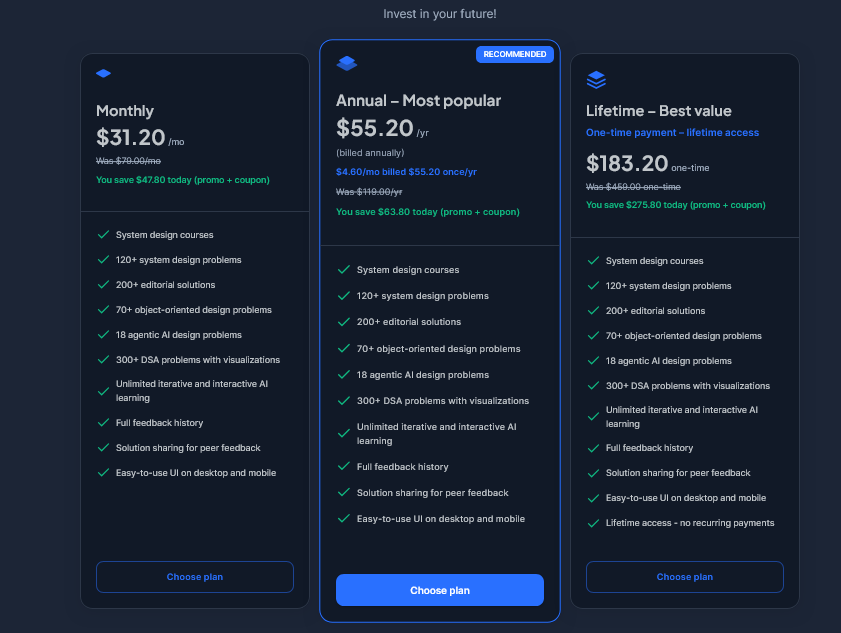
Plan Cost What You Get Free $0 10+ free problems + free course Premium (Annual) $60 (was $99) 120+ problems + 80+ solutions + AI feedback + all features Premium (Monthly) $14.99 Same as annual (more expensive per month)
My recommendation: Get the annual plan. It breaks down to $5/month and gives you unlimited access for a year.
→ Get Codemia Premium (30% off)
Why This Matters for Your 2026 Career?
System design interviews separate the $150K engineers from the $300K+ engineers.
- Get through system design → senior level positions open up
- Nail system design → negotiating room on salary increases
- Skip system design prep → stuck in mid-level forever
It’s not fair, but it’s reality.
Codemia.io gives you the tools to win this interview. Not with luck — with preparation, feedback, and deliberate practice.
The difference between engineers who crack these interviews and those who don’t isn’t talent. It’s whether they prepared with the right platform.
Final Words
System design interviews in 2026 are harder than ever. But with Codemia.io, you have a partner that understands the exact challenges you face.
Don’t wing it. Don’t hope. Prepare with purpose.
Start today. Get through your system design round. Level up your career.
The best time to start was last year. The second-best time is now.
Good luck. You’ve got this.

How to Crack System Design Interviews in 2026: The Codemia.io Approach was originally published in Javarevisited on Medium, where people are continuing the conversation by highlighting and responding to this story.
This post first appeared on Read More